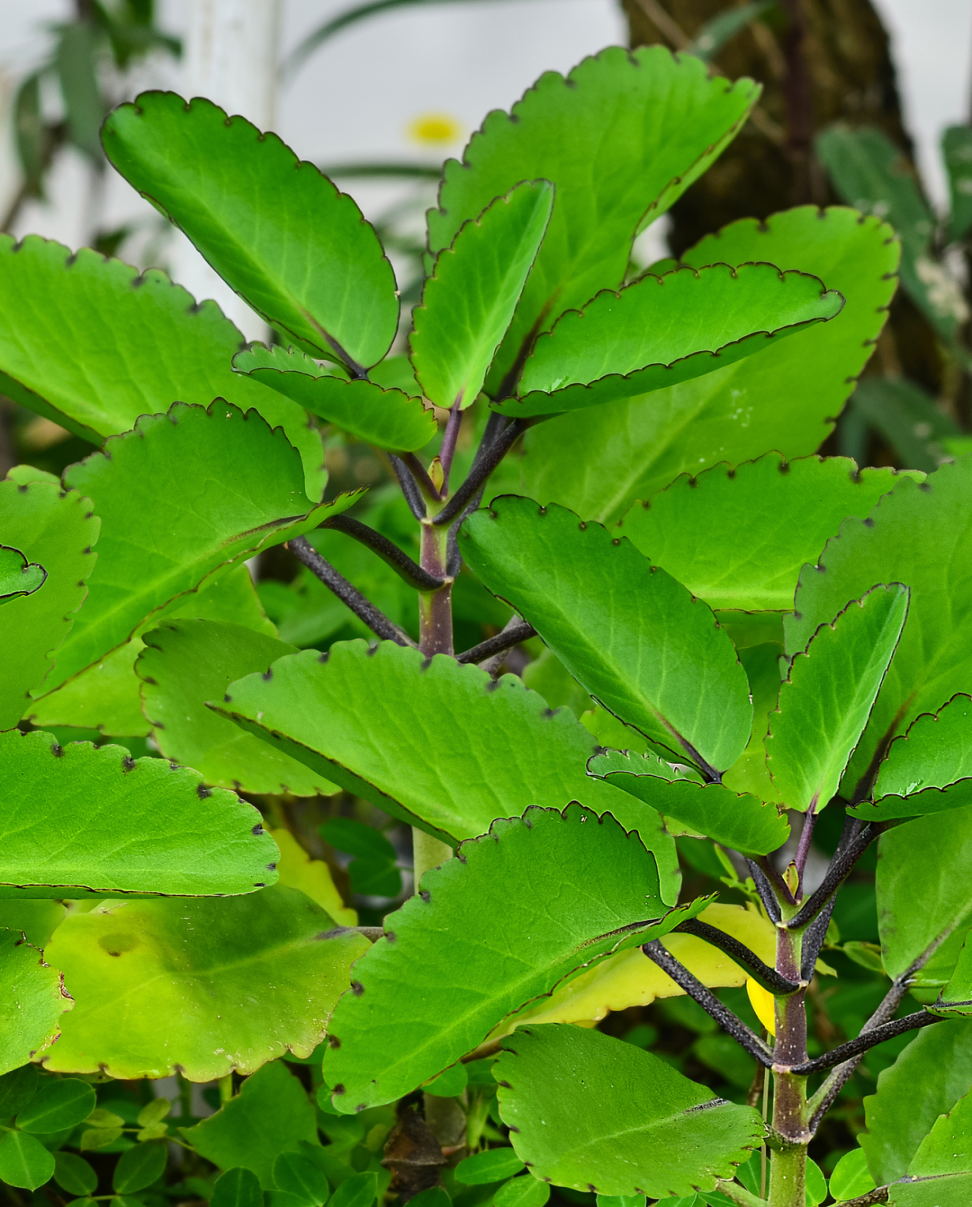
Exploring the Magical World of Plants
Plants are truly amazing beings that have been a vital part of our world for millions of years. They come in all shapes and sizes, from towering trees to tiny flowers, and they play a crucial role in sustaining life on Earth. In this article, we will take a closer look at the magical world of plants and discover the wonders that they hold.
Plants are not just simple organisms that sit still in the ground; they are incredibly dynamic and complex. They have the ability to adapt to their environment, communicate with other plants, and even defend themselves against predators. Take, for example, the Venus flytrap, a carnivorous plant that lures insects into its jaws and snaps shut to trap its prey. This plant exhibits a level of intelligence and strategy that is truly fascinating.
Another incredible aspect of plants is their ability to produce oxygen through photosynthesis. This process involves taking in carbon dioxide from the air and converting it into energy using sunlight. In return, plants release oxygen into the atmosphere, which is essential for the survival of all living creatures, including humans. Without plants, the air we breathe would not be clean and healthy.
Plants also have a wide range of uses beyond oxygen production. They provide us with food, medicine, clothing, and shelter. The diversity of plant species means that there is a plant for almost every need imaginable. For example, the aloe vera plant is known for its healing properties and is used to treat sunburns and other skin ailments. Additionally, the coconut palm tree provides food, water, and building materials in many tropical regions.
But plants are not just useful; they are also incredibly beautiful. From the vibrant colors of flowers to the lush greenery of forests, plants bring joy and wonder to our lives. The sight of a field of wildflowers swaying in the breeze or a majestic oak tree standing tall in a forest can evoke a sense of peace and tranquility. It is no wonder that so many people find solace in nature.
In addition to their beauty, plants also have a spiritual significance for many cultures around the world. In ancient traditions, plants were revered for their healing properties and connection to the divine. Today, many people still use plants in rituals and ceremonies to honor the natural world and seek guidance from the earth.
One of the most fascinating aspects of plants is their ability to communicate with each other. Through a complex network of underground roots and fungal threads, plants can send signals to one another about potential threats, such as pests or drought. This communication system, known as the “wood wide web,” allows plants to share resources and support each other in times of need.
Overall, the world of plants is a vibrant and magical one that holds countless wonders waiting to be discovered. From their intelligence and adaptability to their beauty and spiritual significance, plants have a lot to offer us. So next time you take a walk in the woods or tend to your garden, take a moment to appreciate the incredible lives of the plants around you.
The Colorful Lives of Nature’s Green Beauties
When we think of plants, we often picture them as static, green entities that simply exist in the background of our lives. However, if we take a closer look at the vibrant lives of these green beauties, we will discover a world filled with color, diversity, and beauty.
Plants come in all shapes, sizes, and colors. From the deep green of a lush forest to the bright pink of a blooming flower, the plant kingdom is a riot of color that never fails to amaze. Each color serves a specific purpose, from attracting pollinators to warning off predators. The vibrant hues of plants are not just for show – they are a vital part of the intricate web of life that exists on our planet.
Take, for example, the bright red of a ripe berry. This color acts as a signal to birds and other animals that the fruit is ready to eat and distribute the seeds within. Without this vibrant color, the plant would struggle to reproduce and spread its genetic material. In this way, the color of plants is not just for our enjoyment – it is a crucial element of their survival.
But it’s not just the colors of plants that make them so fascinating. The way they change and adapt throughout their lives is equally captivating. From the delicate green shoots of a seedling to the fiery reds and oranges of autumn leaves, plants go through a stunning transformation as they grow and mature. Each stage of a plant’s life is marked by a different color palette, creating a visual symphony that plays out in our gardens and forests.
Even the way plants interact with their environment is a display of color and beauty. The way a sunflower turns its face towards the sun, following its path across the sky, or the way a vine twines its way up a trellis, reaching for the light – these are all examples of the remarkable ways in which plants respond to their surroundings. Their movements are often slow and subtle, but when you take the time to observe them closely, you can’t help but be amazed by the sheer beauty of nature’s green beauties.
And let’s not forget about the incredible diversity of plant life on our planet. From towering trees to tiny mosses, from delicate orchids to hardy cacti, the variety of plants that exist is truly staggering. Each species has its own unique characteristics, its own special adaptations that allow it to thrive in its particular environment. The sheer range of shapes, sizes, and colors that plants come in is a testament to the creativity and ingenuity of the natural world.
So the next time you take a walk in the park or tend to your garden, take a moment to appreciate the colorful lives of nature’s green beauties. Look closely at the intricate patterns of a leaf, the delicate petals of a flower, or the twisting tendrils of a vine. Each plant has its own story to tell, its own role to play in the greater tapestry of life on Earth. And by taking the time to truly see and appreciate the beauty of plants, we can gain a deeper understanding of the world around us and our place in it.