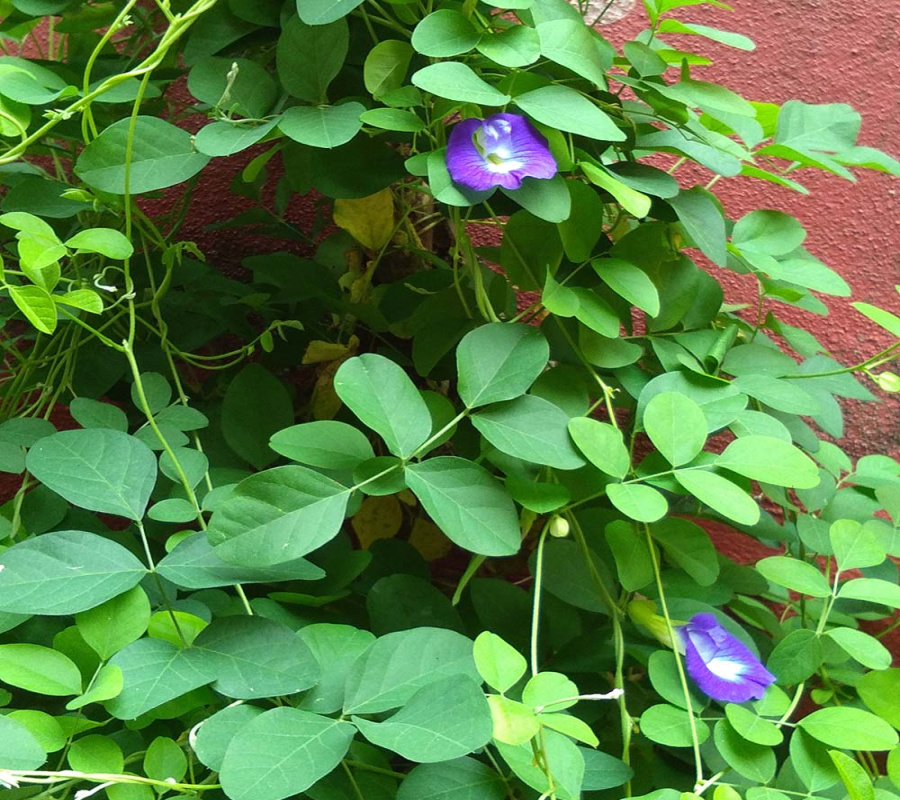
The Butterfly Flower Plant, also known as Asclepias tuberosa, is a delightful and enchanting addition to any garden. With its vibrant orange and yellow blossoms that resemble fluttering butterflies, this plant is sure to bring joy and beauty to your outdoor space. Let’s take a closer look at this blossoming beauty and discover why it is a must-have for any garden enthusiast.
Fluttering Delights: Discover the Butterfly Flower Plant
The Butterfly Flower Plant is a native plant to North America, particularly found in prairies, meadows, and open woodlands. Its striking flowers are a magnet for butterflies, hummingbirds, and bees, making it a vital plant for pollinators. The bright colors and sweet nectar of the blossoms attract these beneficial insects, helping to support the ecosystem in your garden.
One of the most striking features of the Butterfly Flower Plant is its unique flower structure. The clusters of small, star-shaped flowers form a dome-shaped inflorescence that resembles a butterfly in flight. The bright orange and yellow hues of the blossoms add a pop of color to any garden, creating a cheerful and inviting atmosphere.
In addition to its visual appeal, the Butterfly Flower Plant is also easy to care for and low-maintenance. It thrives in full sun and well-drained soil, making it a perfect choice for gardeners of all levels. Once established, this plant is drought-tolerant and requires minimal watering, making it a great choice for busy gardeners.
Butterfly Flower Plants also have a unique adaptation that sets them apart from other garden plants. The milky sap of the plant contains toxic compounds that deter herbivores, making it resistant to browsing by deer and other animals. This natural defense mechanism ensures that your Butterfly Flower Plant will remain healthy and vibrant throughout the growing season.
Another benefit of the Butterfly Flower Plant is its ability to attract a diverse range of pollinators to your garden. Butterflies, in particular, are drawn to the sweet nectar of the blossoms, making this plant a valuable food source for these important insects. By planting Butterfly Flower Plants in your garden, you can help to support the local butterfly population and create a thriving ecosystem.
In addition to its ecological benefits, the Butterfly Flower Plant is also a beautiful addition to any garden design. Whether planted in mass in a sunny border or mixed with other perennials in a cottage garden, this plant adds a touch of whimsy and charm to any landscape. Its vibrant colors and unique flower structure make it a standout feature in any garden setting.
So if you’re looking to add a touch of beauty and joy to your garden, look no further than the Butterfly Flower Plant. With its striking blossoms, ecological benefits, and low-maintenance care requirements, this plant is sure to be a favorite among garden enthusiasts. Plant some Butterfly Flower Plants in your garden today and watch as these fluttering delights bring life and color to your outdoor space.
Blooms of Joy: Exploring the Beauty of Butterfly Flowers
In the world of gardening, there are few things more delightful than the sight of colorful butterflies dancing among the blooms of a garden. These ethereal creatures bring a sense of joy and wonder with their delicate wings and graceful movements. And what better way to attract them to your garden than with the Butterfly Flower plant?
The Butterfly Flower plant, also known as Asclepias, is a stunning perennial that not only adds beauty to your garden but also serves as a vital food source for butterflies. With its vibrant clusters of flowers in shades of pink, orange, and yellow, this plant is a true standout in any garden setting.
One of the most popular varieties of Butterfly Flower is the Asclepias tuberosa, also known as the Butterfly Weed. This plant is native to North America and is a favorite among gardeners for its bright orange blooms that attract butterflies like a magnet. The Butterfly Weed is not only beautiful to look at, but it also plays a crucial role in supporting the declining population of monarch butterflies.
Another beloved variety of Butterfly Flower is the Asclepias curassavica, also known as the Tropical Milkweed. This plant features clusters of red, orange, and yellow flowers that are a favorite nectar source for a wide range of butterfly species. The Tropical Milkweed is easy to grow and care for, making it a popular choice for both novice and experienced gardeners.
One of the unique features of the Butterfly Flower plant is its ability to attract a wide range of butterfly species. From the iconic monarch butterfly to the colorful swallowtail, these plants act as a beacon for these winged beauties, providing them with a much-needed food source in the form of nectar.
Butterfly Flowers are not only beneficial for butterflies but also for other pollinators such as bees and hummingbirds. By planting these beautiful flowers in your garden, you are creating a haven for these important pollinators, helping to support the overall health of your garden ecosystem.
In addition to their beauty and ecological benefits, Butterfly Flowers are also relatively low-maintenance plants, making them an excellent choice for busy gardeners. These plants thrive in well-drained soil and full sunlight, requiring minimal watering once established. With a little bit of care and attention, you can enjoy the sight of colorful butterflies flitting among the blooms of your Butterfly Flower garden all season long.
So, if you’re looking to add a touch of beauty and joy to your garden, consider planting some Butterfly Flowers. Not only will you be treated to a stunning display of colorful blooms, but you’ll also be doing your part to support the important work of pollinators in your local ecosystem. With their vibrant colors and delicate petals, Butterfly Flowers are sure to bring a sense of wonder and delight to your outdoor space.