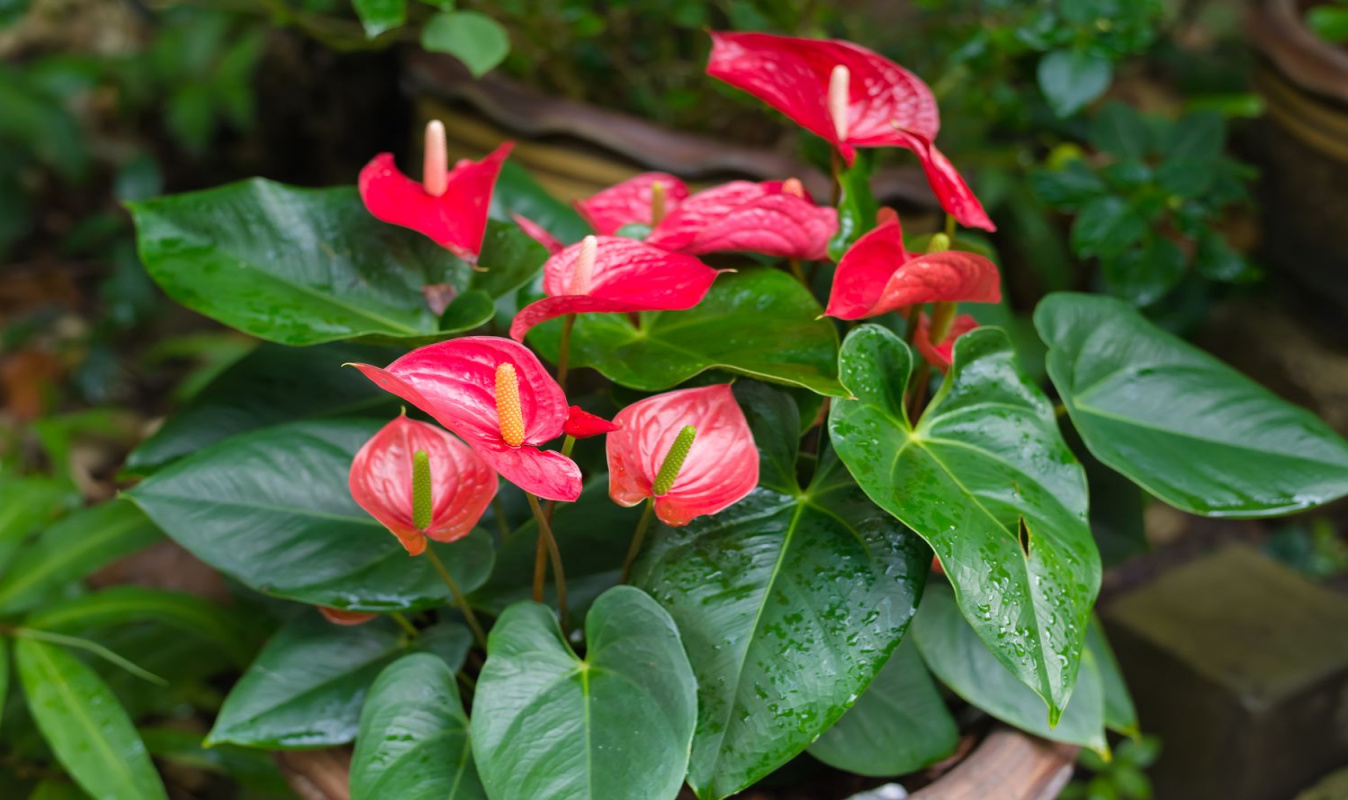
A Blooming Delight: The Flamingo Flower Plant
Welcome to the wonderful world of the Flamingo Flower Plant! If you’re looking to add a touch of exotic beauty to your home, look no further than this stunning plant. With its vibrant red flowers and glossy green leaves, the Flamingo Flower Plant is sure to brighten up any space and bring a touch of tropical paradise into your life.
The Flamingo Flower Plant, also known as Anthurium andraeanum, is a popular houseplant that is loved for its striking appearance and long-lasting blooms. Native to the rainforests of South America, this plant thrives in warm, humid environments and is relatively easy to care for with the right knowledge and attention.
When it comes to caring for your Flamingo Flower Plant, there are a few key things to keep in mind. First and foremost, this plant requires bright, indirect light to thrive. While it can tolerate some direct sunlight, too much exposure can actually damage the delicate leaves and flowers. Place your plant near a window where it can receive plenty of natural light without being exposed to harsh rays.
In terms of watering, the Flamingo Flower Plant prefers to be kept consistently moist but not soggy. Water your plant when the top inch of soil feels dry to the touch, being careful not to let it sit in standing water which can lead to root rot. To help maintain the high humidity levels that this plant loves, consider misting the leaves regularly or placing a humidifier nearby.
Feeding your Flamingo Flower Plant is also important for promoting healthy growth and vibrant blooms. During the growing season, which typically runs from spring to fall, feed your plant with a balanced liquid fertilizer every 4-6 weeks. Be sure to dilute the fertilizer to half the recommended strength to avoid overfeeding, which can harm the plant.
One of the most appealing aspects of the Flamingo Flower Plant is its long-lasting blooms, which can brighten up your home for weeks on end. To encourage continuous flowering, remove any spent blooms by snipping them off at the base of the stem. This will not only help the plant conserve energy for new growth but also keep it looking tidy and attractive.
If your Flamingo Flower Plant starts to outgrow its current pot, it may be time to repot it into a slightly larger container. Choose a well-draining potting mix that is rich in organic matter to provide the plant with the nutrients it needs to thrive. When repotting, be sure to gently loosen the roots and place the plant at the same depth as it was in the original pot.
Pests and diseases can sometimes be a concern for Flamingo Flower Plants, so it’s important to keep an eye out for any signs of trouble. Common pests that may affect this plant include aphids, spider mites, and mealybugs, which can be treated with insecticidal soap or neem oil. Fungal diseases such as root rot can be prevented by ensuring proper drainage and allowing the soil to dry out slightly between waterings.
In conclusion, the Flamingo Flower Plant is a true delight to care for and admire. With its stunning flowers, glossy leaves, and relatively low maintenance requirements, this plant is a wonderful addition to any home or garden. By following the care tips and tricks outlined in this guide, you can help your Flamingo Flower Plant thrive and flourish for years to come.
Nurturing Nature’s Beauty: Care Tips & Tricks
The Flamingo Flower Plant, also known as Anthurium, is a stunning tropical plant that is loved for its vibrant blooms and glossy green leaves. With proper care and maintenance, this plant can thrive and bring beauty to any indoor space. In this guide, we will explore the best tips and tricks for nurturing your Flamingo Flower Plant to ensure it stays healthy and vibrant all year round.
1. Light: The Flamingo Flower Plant thrives in bright, indirect light. Place your plant near a window where it can receive plenty of sunlight, but make sure to avoid direct sunlight as this can scorch the leaves. If you notice your plant leaning towards the light, rotate it regularly to promote even growth.
2. Water: Proper watering is key to keeping your Flamingo Flower Plant healthy. Water your plant when the top inch of soil feels dry to the touch, being careful not to overwater as this can lead to root rot. It is best to water the plant from the bottom to prevent water from collecting on the leaves, which can cause damage.
3. Humidity: Flamingo Flower Plants thrive in humid environments, so it is important to provide them with plenty of moisture. To increase humidity around your plant, mist it regularly with a spray bottle or place a humidifier nearby. You can also place a tray filled with pebbles and water underneath the plant to create a humid microclimate.
4. Temperature: Flamingo Flower Plants prefer warm temperatures between 65-80 degrees Fahrenheit. Avoid exposing your plant to temperatures below 50 degrees Fahrenheit, as this can cause damage to the leaves. Keep your plant away from drafty windows or doors to maintain a stable temperature.
5. Fertilizer: Feed your Flamingo Flower Plant with a balanced liquid fertilizer once a month during the growing season (spring and summer). Be sure to dilute the fertilizer to half strength to prevent burning the roots. Fertilizing regularly will help promote healthy growth and vibrant blooms.
6. Pruning: Regular pruning is essential for maintaining the shape and health of your Flamingo Flower Plant. Remove any yellowing or dead leaves as soon as you notice them to prevent the spread of disease. You can also trim back any leggy or overgrown stems to encourage new growth.
7. Repotting: As your Flamingo Flower Plant grows, it may outgrow its current pot and become root-bound. Repot your plant every 2-3 years into a slightly larger container with fresh, well-draining soil. Be sure to gently loosen the roots when repotting to prevent damage.
8. Pests: Keep an eye out for common pests such as aphids, mealybugs, and spider mites, which can infest Flamingo Flower Plants. If you notice any signs of pest infestation, treat your plant with an insecticidal soap or neem oil to eliminate the pests. Regularly inspect the leaves and stems for any signs of pests to catch them early.
By following these care tips and tricks, you can ensure that your Flamingo Flower Plant remains healthy and beautiful for years to come. With a little love and attention, your plant will reward you with stunning blooms and lush foliage, adding a touch of tropical beauty to your home.