Unleashing the Beauty: The Trumpet Creeper Plant
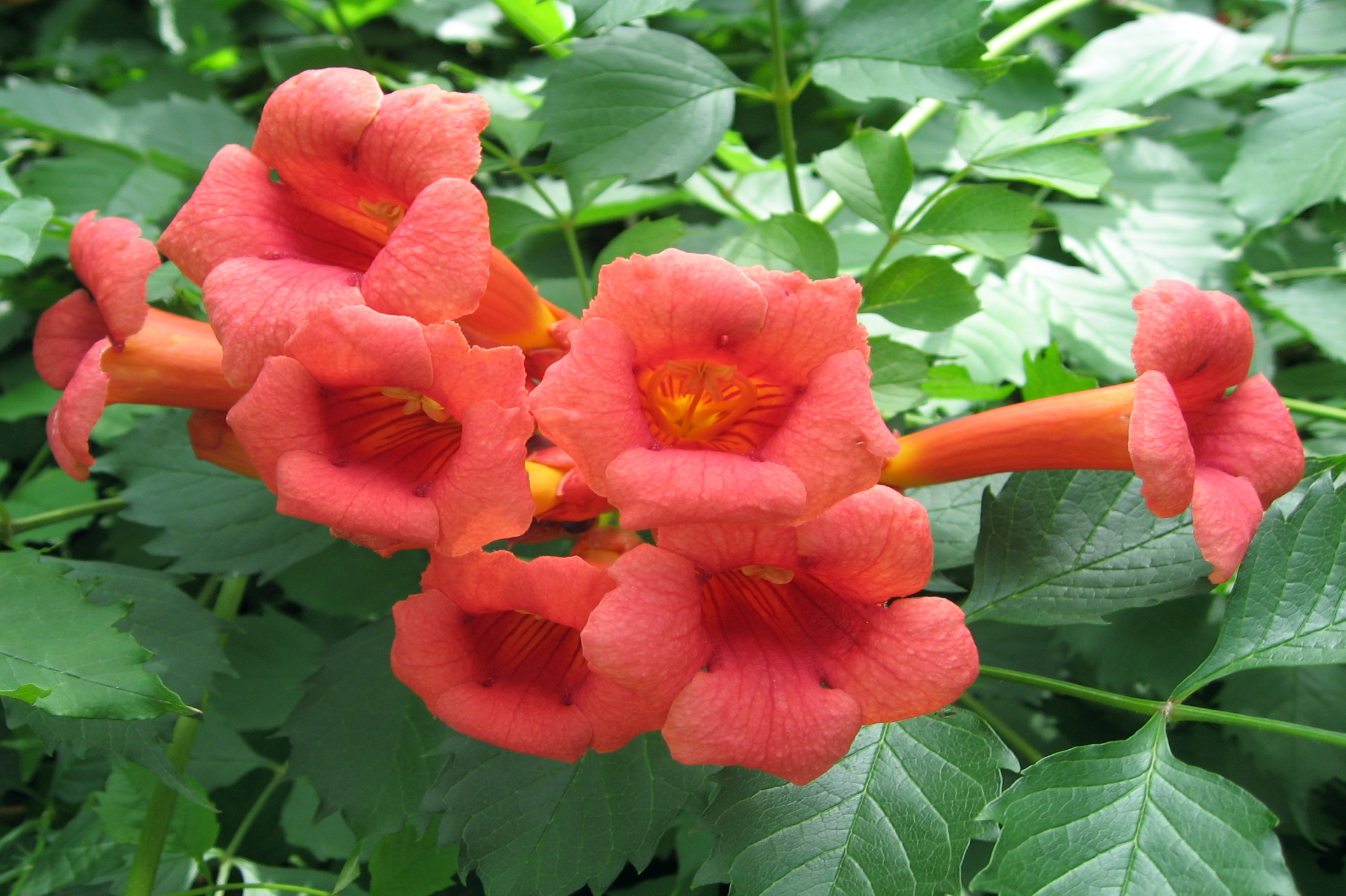
The vibrant charm of the Trumpet Creeper plant is truly a sight to behold. With its stunning trumpet-shaped flowers and lush green foliage, this beautiful vine adds a touch of elegance to any garden or landscape. Known for its rapid growth and ability to attract hummingbirds and butterflies, the Trumpet Creeper plant is a popular choice for those looking to add a burst of color and vibrancy to their outdoor spaces.
Native to North America, the Trumpet Creeper plant, also known as Campsis radicans, is a vigorous climber that can reach heights of up to 40 feet. Its woody stems and clinging tendrils allow it to easily scale walls, fences, arbors, and trellises, making it a versatile plant for vertical gardening. The plant produces clusters of tubular flowers in shades of orange, red, or yellow, which bloom from late spring to early fall, attracting pollinators with their enticing nectar.
Growing and caring for the Trumpet Creeper plant is relatively easy, making it a great choice for both novice and experienced gardeners. When planting the vine, choose a sunny location with well-drained soil, as the plant thrives in full sunlight and requires good drainage to prevent root rot. The Trumpet Creeper plant is also tolerant of a wide range of soil types, making it adaptable to various growing conditions.
To encourage healthy growth and abundant flowering, provide the Trumpet Creeper plant with regular watering, especially during hot and dry periods. Mulching around the base of the plant can help retain moisture in the soil and regulate temperature, promoting optimal growth. Fertilize the vine with a balanced, slow-release fertilizer in the spring to provide essential nutrients for vigorous growth and blooming.
Pruning is also important when caring for the Trumpet Creeper plant, as regular maintenance helps control its growth and shape. Remove any dead or damaged branches in the winter to promote new growth in the spring, and trim back any overgrown or unruly stems to maintain a neat appearance. Pruning can also help increase flower production by stimulating new growth and reducing overcrowding.
In addition to its beauty and ease of care, the Trumpet Creeper plant offers a range of benefits to the garden ecosystem. Its vibrant flowers attract pollinators such as bees, butterflies, and hummingbirds, helping to support local wildlife and promote biodiversity. The plant’s dense foliage provides shelter and nesting sites for birds, while its climbing habit adds vertical interest and structure to the garden landscape.
Whether grown on a trellis, pergola, or arbor, the Trumpet Creeper plant adds a touch of elegance and sophistication to any outdoor space. Its bright blooms and lush foliage create a striking focal point in the garden, drawing the eye and inviting admiration. With proper care and maintenance, this beautiful vine can thrive for years to come, rewarding gardeners with its stunning beauty and vibrant charm.
The Vibrant Charm of Trumpet Creeper Plant: A Guide to Growing and Caring for this Beautiful Vine
The Trumpet Creeper plant, also known as Campsis radicans, is a stunning vine that can bring a touch of elegance and beauty to any garden or outdoor space. With its vibrant orange, red, or yellow trumpet-shaped flowers, this plant is sure to catch the eye of anyone who passes by. In this complete care guide, we will explore everything you need to know about growing and caring for the Trumpet Creeper plant.
Planting the Trumpet Creeper
When it comes to planting the Trumpet Creeper plant, it is important to choose a location that receives full sunlight. This plant thrives in sunny conditions and will produce more flowers when exposed to plenty of sunlight. The Trumpet Creeper also prefers well-draining soil that is rich in organic matter. Before planting, be sure to amend the soil with compost or other organic materials to provide the plant with the nutrients it needs to thrive.
To plant the Trumpet Creeper, dig a hole that is twice as wide and deep as the plant’s container. Gently remove the plant from its container and place it in the hole, making sure that the top of the root ball is level with the surrounding soil. Backfill the hole with soil and water the plant thoroughly to help settle the soil and eliminate any air pockets.
Watering and Fertilizing
Once planted, the Trumpet Creeper plant will need regular watering to help establish its roots and promote healthy growth. Water the plant deeply once a week, making sure to soak the soil around the root zone. During periods of hot, dry weather, you may need to water the plant more frequently to prevent it from drying out.
In addition to regular watering, the Trumpet Creeper plant will benefit from a balanced fertilizer applied in the spring. Choose a fertilizer that is high in phosphorus to encourage flowering and apply it according to the manufacturer’s instructions. Be sure to water the plant after fertilizing to help the nutrients penetrate the soil and reach the roots.
Pruning and Maintenance
To keep your Trumpet Creeper plant looking its best, it is important to prune it regularly. Pruning can help control the plant’s growth and shape, as well as promote better flowering. In the late winter or early spring, prune any dead or damaged branches to encourage new growth. You can also prune the plant after it has finished flowering to remove any spent blooms and shape the vine as desired.
In addition to pruning, the Trumpet Creeper plant may require some maintenance to keep it healthy and thriving. Keep an eye out for pests such as aphids or spider mites, which can infest the plant and cause damage. If you notice any signs of pest infestation, treat the plant with an insecticidal soap or neem oil to eliminate the pests.
Support and Training
As a climbing vine, the Trumpet Creeper plant will need some support to help it grow and climb. Provide a trellis, arbor, or other support structure for the plant to cling to and climb. You can also train the vine to grow in a specific direction by gently guiding it along the support structure as it grows.
In addition to providing support, you may need to periodically check the plant to make sure it is properly attached to the support structure. If the vine becomes detached or starts to grow in the wrong direction, gently guide it back onto the support and secure it in place with plant ties or twine.
In conclusion, the Trumpet Creeper plant is a beautiful and vibrant vine that can add elegance and charm to any garden or outdoor space. By following the tips outlined in this complete care guide, you can successfully grow and care for this stunning plant and enjoy its colorful flowers for years to come. Happy gardening!