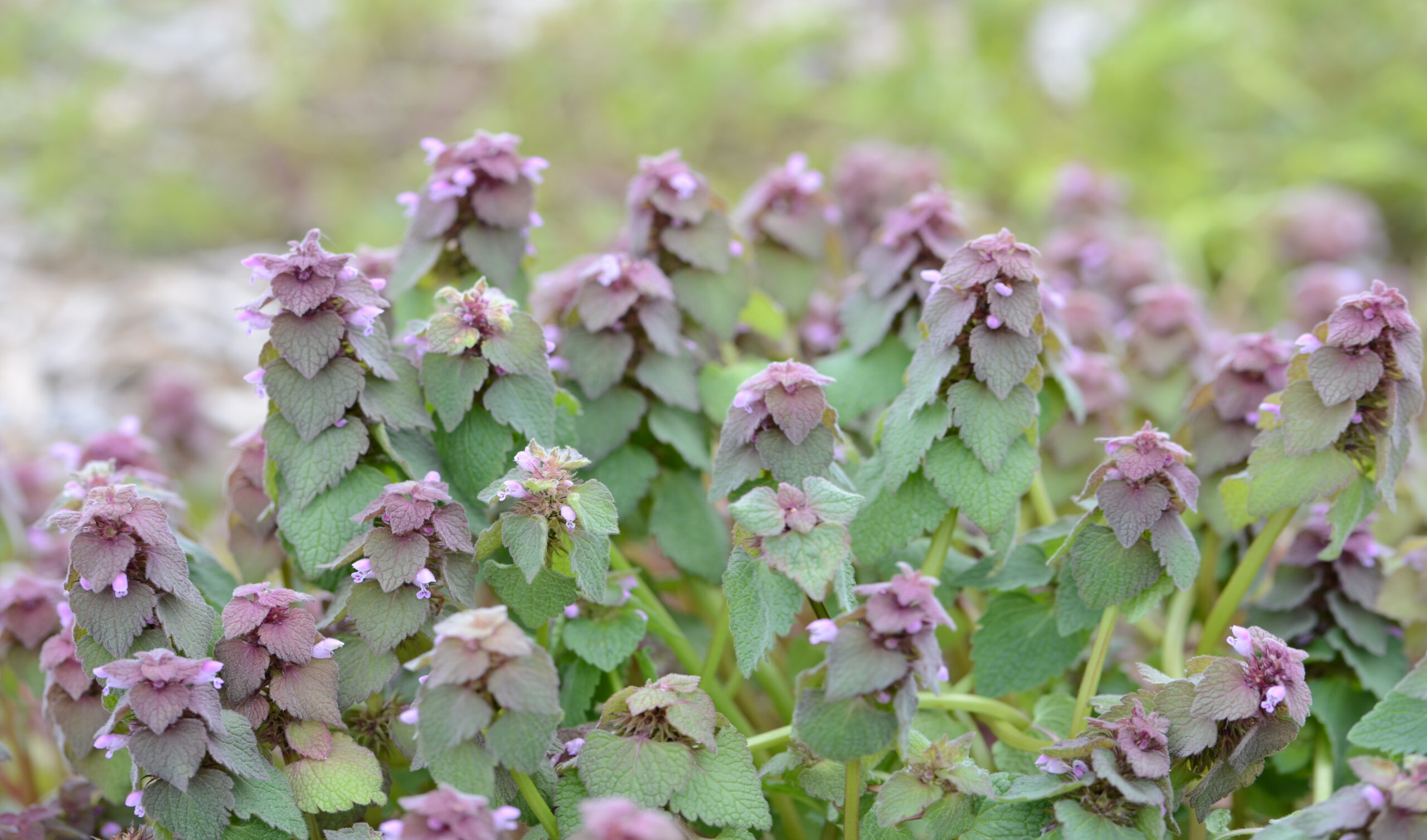
Unveiling the Delicate Charm of the Dead Nettle
The Dead Nettle plant, also known as Lamium, may not sound like the most appealing plant name, but don’t let that deceive you. This beautiful and beneficial plant has a delicate charm that is truly enchanting. From its unique appearance to its array of uses, the Dead Nettle plant is a hidden gem in the world of botanical wonders.
One of the most striking features of the Dead Nettle plant is its vibrant purple or pink flowers that resemble tiny orchids. These flowers grow in clusters on the plant’s square stems, creating a stunning display that is sure to catch the eye of anyone passing by. The leaves of the Dead Nettle are equally impressive, with their heart-shaped design and soft, fuzzy texture. When the sun hits the leaves just right, they seem to shimmer with a silvery glow, adding to the plant’s overall charm.
But the beauty of the Dead Nettle plant goes beyond its appearance. This plant is also known for its versatility and usefulness in both the garden and the kitchen. In the garden, the Dead Nettle plant is a great addition to any landscape, as it is easy to grow and requires little maintenance. It is also a favorite among pollinators, attracting bees, butterflies, and other beneficial insects with its nectar-rich flowers.
In the kitchen, the Dead Nettle plant has a surprising array of culinary uses. The leaves of the plant can be used in salads, soups, and teas, adding a unique flavor that is both earthy and slightly minty. The flowers of the Dead Nettle can also be used to make a sweet and fragrant syrup that is perfect for drizzling over desserts or mixing into cocktails. With its versatility and delicious flavor, the Dead Nettle plant is a must-have for any culinary enthusiast.
But the benefits of the Dead Nettle plant extend beyond its beauty and culinary uses. This plant also has a long history of medicinal use, with various cultures using it to treat a wide range of ailments. In traditional medicine, the Dead Nettle plant is believed to have anti-inflammatory, antiseptic, and diuretic properties, making it a popular remedy for conditions such as arthritis, urinary tract infections, and skin irritations.
Recent studies have also shown that the Dead Nettle plant may have potential health benefits beyond traditional uses. Research has suggested that the plant’s compounds may have antioxidant and antimicrobial properties, which could help protect against oxidative stress and fight off harmful bacteria and viruses. This makes the Dead Nettle plant a promising candidate for further research into natural remedies and alternative medicine.
In conclusion, the Dead Nettle plant is a true marvel of nature, with its delicate charm and numerous benefits. From its stunning appearance to its culinary uses and medicinal properties, this plant has a lot to offer for those willing to explore its wonders. So next time you come across a patch of Dead Nettle in the wild or at your local garden center, take a moment to appreciate its beauty and consider the many ways it can enrich your life.
Discover the Surprising Health Benefits it Offers
When we think of the Dead Nettle plant, we often focus on its delicate beauty and vibrant colors. However, what many people don’t realize is that this lovely plant also offers a plethora of surprising health benefits. From improving digestion to boosting immunity, the Dead Nettle plant is truly a powerhouse of wellness.
One of the most notable health benefits of the Dead Nettle plant is its ability to soothe digestive issues. The plant contains compounds that have anti-inflammatory properties, which can help to reduce inflammation in the gut and alleviate symptoms of conditions such as irritable bowel syndrome and gastritis. Additionally, the Dead Nettle plant is rich in fiber, which can aid in digestion and promote regular bowel movements.
In addition to its digestive benefits, the Dead Nettle plant is also known for its immune-boosting properties. The plant is packed with antioxidants, which help to protect the body from harmful free radicals and strengthen the immune system. By incorporating Dead Nettle into your diet, you can help your body fight off illness and stay healthy all year round.
But the benefits of the Dead Nettle plant don’t stop there. This versatile plant is also a natural diuretic, meaning it can help to flush out toxins from the body and improve kidney function. By promoting the elimination of waste products through urine, Dead Nettle can help to cleanse the body and prevent issues such as kidney stones and urinary tract infections.
Furthermore, the Dead Nettle plant is a known anti-inflammatory agent, making it ideal for individuals suffering from conditions such as arthritis and gout. The plant’s anti-inflammatory properties can help to reduce swelling and pain in the joints, allowing for greater mobility and improved quality of life.
For those looking to improve their respiratory health, the Dead Nettle plant can also be a valuable ally. The plant has been used for centuries as a natural remedy for coughs, colds, and respiratory infections. Its expectorant properties help to clear mucus from the lungs and airways, making it easier to breathe and relieving congestion.
In addition to its physical health benefits, the Dead Nettle plant also offers mental health benefits. The plant is known for its calming and relaxing properties, which can help to reduce stress and anxiety. By incorporating Dead Nettle into your daily routine, you can promote a sense of peace and well-being.
Whether you choose to enjoy the Dead Nettle plant in a tea, tincture, or as a culinary ingredient, there is no denying the myriad of health benefits it offers. From soothing digestive issues to boosting immunity and improving respiratory health, this unassuming plant is truly a treasure trove of wellness. So why not add a touch of the Dead Nettle plant to your daily routine and experience the beauty and benefits for yourself?