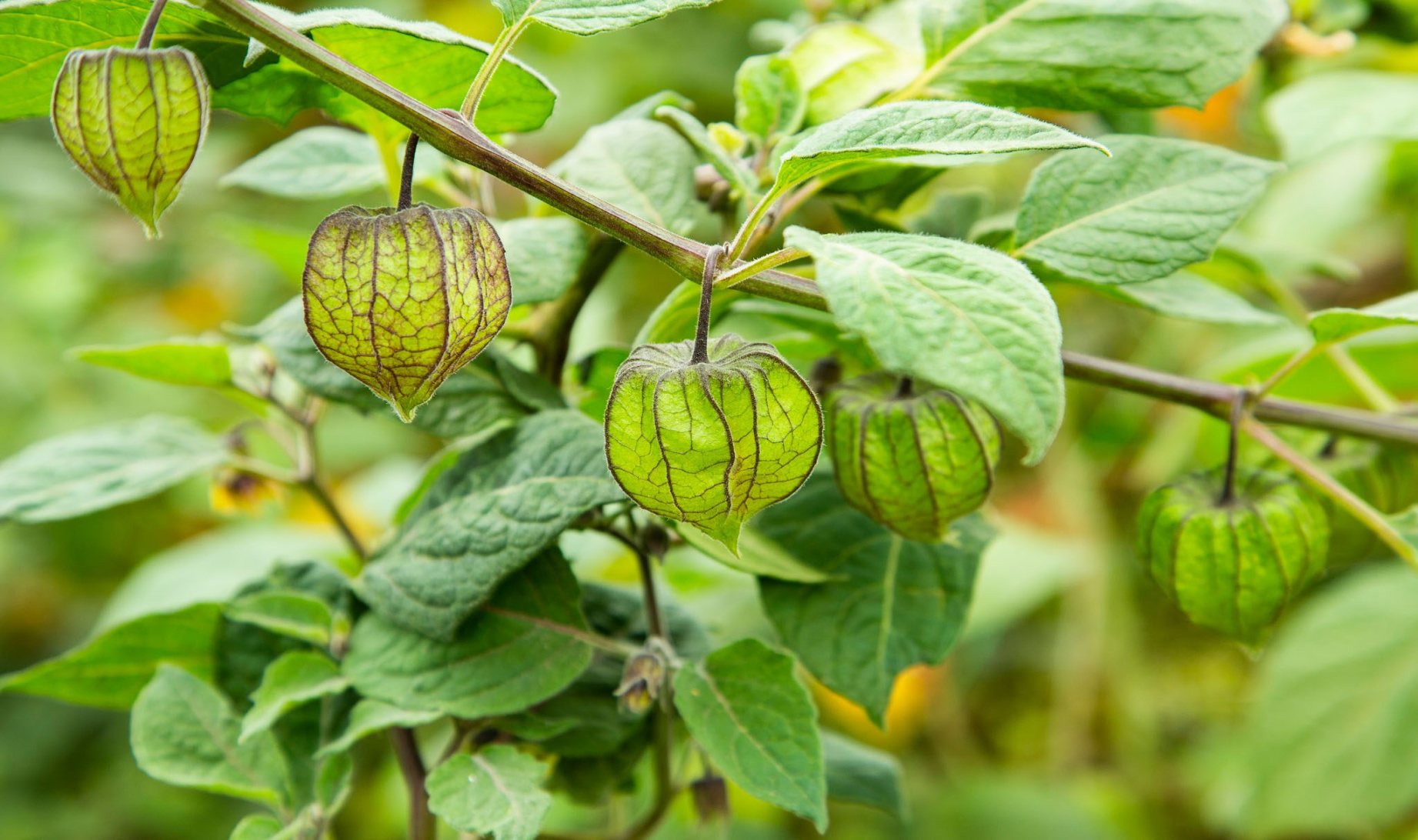
Unveiling the Beauty of Chinese Gooseberry Plant
The Chinese Gooseberry, also known as the kiwi fruit, is a delightful and exotic fruit that is gaining popularity all over the world. With its unique appearance and sweet-tart flavor, this fruit is a favorite among many fruit lovers. But what many people don’t know is that the Chinese Gooseberry plant itself is a marvel to behold.
The Chinese Gooseberry plant, scientifically known as Actinidia deliciosa, is a vigorous vine that can grow up to 30 feet in height. Its large, heart-shaped leaves are a vibrant green color, providing a lush backdrop for the beautiful flowers and fruit that it produces. The plant is dioecious, which means that it has separate male and female plants. The female plants bear the delicious fruit that we all know and love, while the male plants produce the pollen needed for pollination.
One of the most captivating features of the Chinese Gooseberry plant is its flowers. The small, creamy white blossoms are tinged with pink and have a delicate fragrance that attracts bees and other pollinators. These flowers appear in the spring and are a sure sign that the plant is gearing up to produce its delicious fruit.
As the flowers are pollinated, small green fruits begin to form. These fruits grow larger and larger, eventually reaching their full size of about the size of a chicken’s egg. The fuzzy brown skin of the fruit is peeled away to reveal the vibrant green flesh inside, which is dotted with tiny black seeds. The flesh of the Chinese Gooseberry is juicy and sweet with a hint of tartness, making it a perfect addition to fruit salads, smoothies, and desserts.
In addition to its delicious fruit, the Chinese Gooseberry plant also has a number of other benefits. The plant is incredibly hardy and can thrive in a variety of climates, from temperate to subtropical. It is also a fast-growing plant, with vines that can reach up to 6 feet in a single growing season. This makes it an excellent choice for gardeners looking to add a touch of exotic beauty to their landscape.
Growing your own Chinese Gooseberry plant is a rewarding experience that allows you to enjoy the beauty of the plant as well as the delicious fruit it produces. To grow your own Chinese Gooseberry plant, you will need a sunny spot with well-drained soil. Plant your kiwi vine in the spring, making sure to provide it with a sturdy trellis or other support structure to help it climb and grow.
Regular pruning is essential to keep your Chinese Gooseberry plant healthy and productive. Prune away any dead or damaged branches, as well as any growth that is crowding the plant. This will help to promote air circulation and reduce the risk of pests and diseases.
With a little bit of care and attention, your Chinese Gooseberry plant will reward you with an abundance of delicious fruit year after year. So why not add some exotic beauty to your garden and enjoy the marvels of the Chinese Gooseberry plant?
Delight in Growing and Harvesting Exotic Kiwi Fruit
The Chinese Gooseberry plant, also known as the kiwi fruit, is a true marvel of nature. With its fuzzy brown exterior and vibrant green flesh speckled with tiny black seeds, the kiwi is not only a delicious fruit but also a visually stunning addition to any garden. In this guide, we will explore the joys of growing and harvesting this exotic fruit, from planting the seeds to enjoying the ripe, juicy kiwis straight from the vine.
One of the first steps in growing kiwi fruit is selecting the right variety for your climate and growing conditions. There are several different types of kiwi plants, each with its own unique characteristics and requirements. The most common variety is the Actinidia deliciosa, which is known for its sweet, tart flavor and smooth green skin. Other varieties, such as the Actinidia arguta or the Actinidia kolomikta, offer different flavors and colors, adding variety to your garden.
Once you have chosen the right variety of kiwi plant, it’s time to plant the seeds. Kiwi plants are dioecious, which means they have separate male and female plants. To ensure pollination and fruit production, you will need to plant at least one of each gender. Kiwi plants prefer well-draining, fertile soil and plenty of sunlight, so choose a sunny spot in your garden for planting. Make sure to water the plants regularly, especially during the hot summer months, to keep the soil moist and the plants healthy.
As the kiwi plants grow, they will need support to climb and spread. Kiwi vines are vigorous climbers, so provide a sturdy trellis or arbor for them to climb on. You can also train the vines along a fence or wall, using twine or wire to guide them as they grow. Pruning is also important to keep the plants healthy and productive. Remove any dead or damaged branches, as well as any growth that is crowding the plant or blocking sunlight.
After a few years of growth, your kiwi plants will begin to produce fruit. Kiwi fruits are ready for harvesting in the late summer or early fall, depending on the variety and growing conditions. Ripe kiwis will be firm but slightly yield to pressure when gently squeezed. The skin should be smooth and free of wrinkles, and the flesh should be juicy and sweet. To harvest the kiwis, simply twist them off the vine or cut them with scissors, being careful not to damage the fruit or the plant.
Once you have harvested your kiwi fruit, it’s time to enjoy the delicious bounty of your garden. Kiwis can be eaten fresh, either on their own or added to fruit salads, smoothies, or desserts. They can also be sliced and added to savory dishes, such as salads or grilled meats, for a unique and exotic flavor. If you have an abundance of kiwis, you can also preserve them by freezing or canning them for later use.
In conclusion, growing and harvesting kiwi fruit is a delightful and rewarding experience for any gardener. From planting the seeds to enjoying the ripe, juicy fruit, the process is both satisfying and enjoyable. With the right care and attention, your kiwi plants will thrive and produce bountiful harvests for years to come. So why not add a touch of exotic beauty to your garden and delight in the wonders of the Chinese Gooseberry plant?