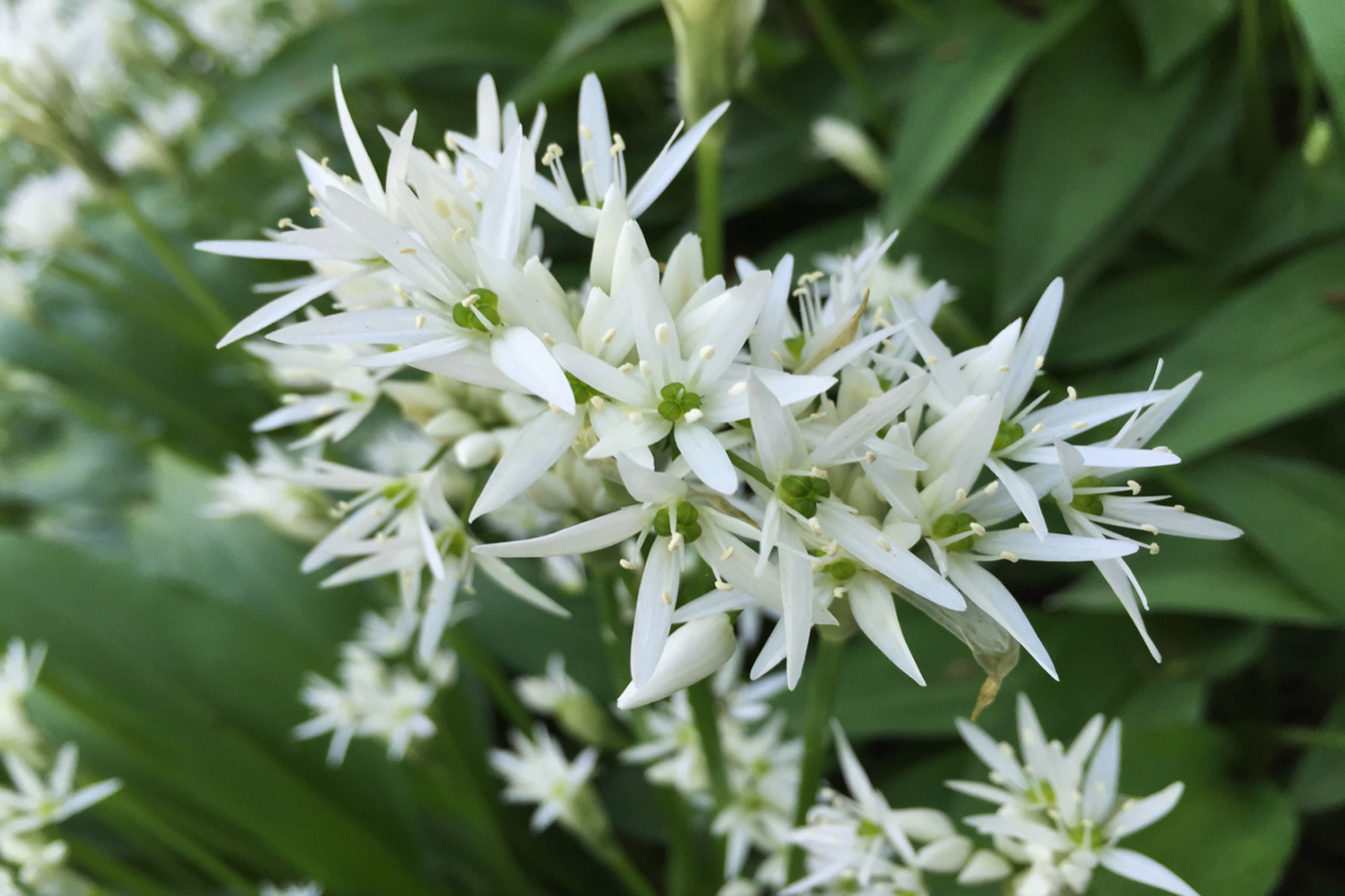
Unveiling the Magic of Wild Garlic!
When it comes to culinary delights and natural wonders, few plants can match the magic of wild garlic, also known as Allium Ursinum. This humble plant, with its delicate white flowers and vibrant green leaves, holds a treasure trove of flavors and health benefits waiting to be discovered.
Wild garlic, also known as ramsons or bear’s garlic, is a wild relative of the common garlic we all know and love. It can be found growing in shady woodland areas across Europe and parts of Asia, where it thrives in the moist, nutrient-rich soil. Despite its unassuming appearance, wild garlic packs a powerful punch when it comes to flavor, with a pungent garlicky taste that is both fresh and slightly spicy.
But the magic of wild garlic goes beyond its culinary uses. This wonder plant has been prized for its medicinal properties for centuries, with folklore touting its ability to ward off evil spirits and protect against illness. In modern times, scientific research has confirmed that wild garlic is indeed a powerhouse of nutrients, containing high levels of vitamins A and C, as well as essential minerals like calcium, magnesium, and iron.
One of the most fascinating aspects of wild garlic is its unique aroma, which is often described as a mix of garlic, onion, and chives. This distinctive scent is what makes wild garlic so irresistible to foragers and chefs alike, who use it to add a burst of flavor to a variety of dishes, from soups and salads to pesto and pasta.
In addition to its culinary and medicinal properties, wild garlic also plays a vital role in the ecosystem as a natural insect repellent. The pungent aroma of the plant is believed to keep pests like aphids and slugs at bay, making it a valuable companion plant for gardeners looking to protect their crops without resorting to harmful chemicals.
For those looking to harness the magic of wild garlic in their own kitchen, the possibilities are endless. The leaves can be used fresh in salads or sandwiches, sautéed with vegetables, or blended into a vibrant green pesto. The flowers make a stunning addition to salads or can be pickled for a burst of color and flavor. And the bulbs, while smaller and milder than their cultivated cousins, can be used in place of garlic or spring onions in a variety of dishes.
Whether you’re a seasoned forager or a curious food lover looking to expand your culinary horizons, wild garlic is a plant worth getting to know. Its unique flavor, health benefits, and ecological importance make it a true wonder of the natural world, and one that deserves a place of honor in any kitchen or garden. So why not take a walk on the wild side and discover the magic of wild garlic for yourself?
Discovering the Beauty of Allium Ursinum!
Have you ever stumbled upon a patch of lush green leaves with delicate white flowers and a faint, garlicky aroma wafting through the air? Chances are, you’ve encountered Allium Ursinum, also known as wild garlic or bear’s garlic. This unassuming plant may look like just another weed, but it is actually a hidden gem in the world of foraging and culinary arts.
Allium Ursinum is a perennial herb that belongs to the Allium genus, which includes onions, leeks, and chives. It is native to Europe and thrives in shady, damp woodlands and meadows. The plant grows from a bulb and produces long, slender, bright green leaves that resemble those of lily of the valley. In the spring, Allium Ursinum blooms with small, star-shaped white flowers that add a touch of beauty to its surroundings.
But what sets Allium Ursinum apart from other plants is its distinct garlicky flavor and aroma. The leaves of the plant are edible and have a mild, onion-like taste with a subtle garlic kick. They can be used in a variety of dishes, from salads and soups to pesto and sauces. The flowers of Allium Ursinum are also edible and can be used as a garnish or added to salads for a pop of color and flavor.
In addition to its culinary uses, Allium Ursinum has a long history of medicinal and therapeutic properties. The plant has been used for centuries in traditional medicine to treat various ailments, including high blood pressure, digestive issues, and respiratory conditions. Allium Ursinum is rich in vitamins, minerals, and antioxidants, making it a valuable addition to a healthy diet.
Foraging for Allium Ursinum can be a rewarding experience for nature lovers and food enthusiasts alike. The plant is abundant in many parts of Europe, particularly in the UK, Germany, and Eastern Europe. It can be found in woodlands, meadows, and along riverbanks, often growing in dense patches that carpet the forest floor.
When foraging for Allium Ursinum, it is important to do so responsibly and ethically. Only harvest plants from areas where they are plentiful and avoid picking them from protected or endangered habitats. Be sure to leave some plants behind to ensure their continued growth and sustainability.
Once you’ve gathered your Allium Ursinum, the possibilities are endless. You can use the leaves and flowers fresh in salads, soups, and sandwiches, or you can preserve them by drying or pickling. The plant’s bulbs can also be harvested and used in cooking, much like traditional garlic or onions.
In conclusion, Allium Ursinum is a versatile and flavorful plant that deserves a place in every forager’s repertoire. Whether you’re a seasoned chef looking to experiment with new ingredients or a nature lover seeking to connect with the wilderness, Allium Ursinum has something to offer. So next time you’re out for a walk in the woods, keep an eye out for the wild garlic wonder that is Allium Ursinum.