Panda Plant Perfection: Tips for Thriving Succulents
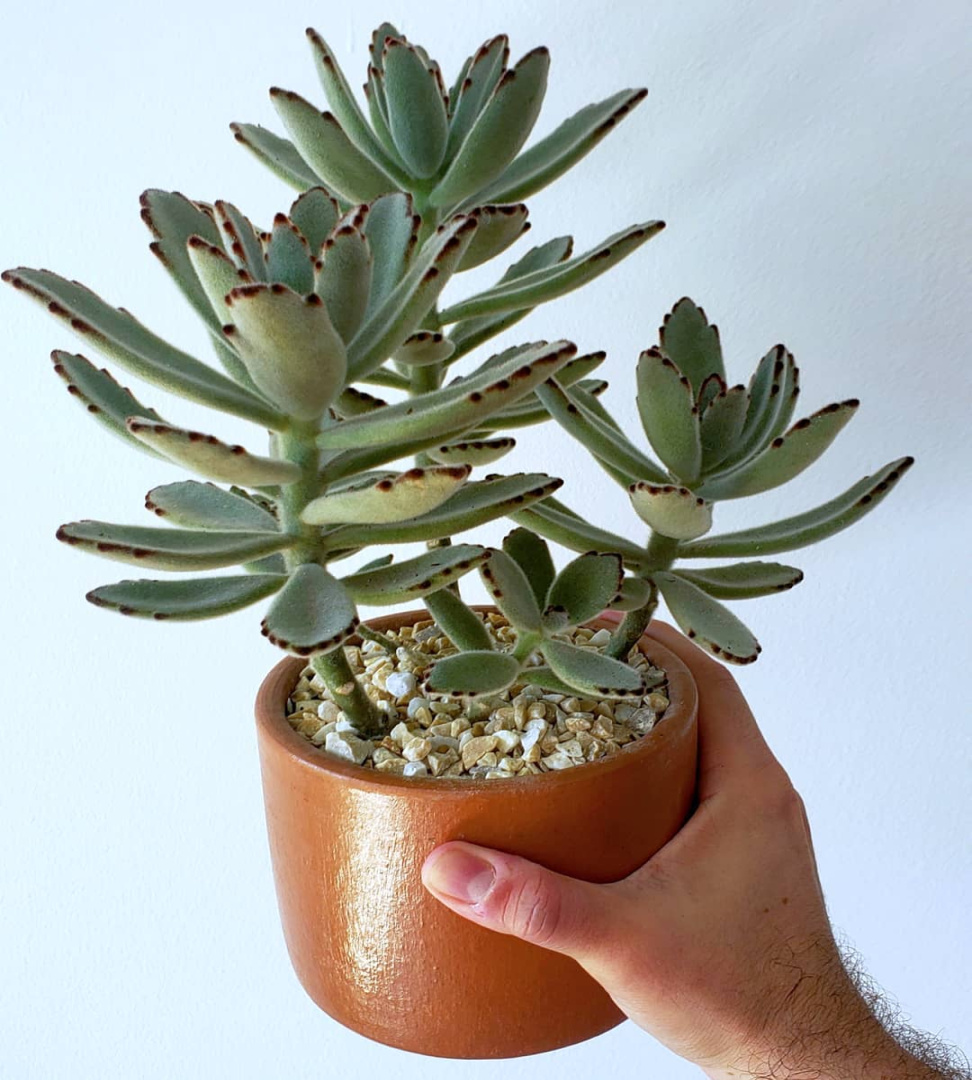
Welcome to the wonderful world of succulents, where unique and beautiful plants thrive with minimal care. Among the vast array of succulent varieties, the Panda Plant stands out with its fuzzy green leaves and silver markings, resembling the adorable giant panda. If you’ve recently acquired a Panda Plant or are thinking about adding one to your collection, this guide is here to help you achieve succulent success.
When it comes to growing and caring for Panda Plants, there are a few key tips to keep in mind. First and foremost, these plants require plenty of sunshine to thrive. Place your Panda Plant in a bright location where it can receive at least six hours of sunlight per day. If you’re growing your succulent indoors, a sunny windowsill or a spot under a grow light will do the trick.
In addition to sunlight, Panda Plants also need well-draining soil to prevent root rot. A mix specifically designed for succulents and cacti works best, as it allows excess water to flow through easily. When watering your Panda Plant, be sure to do so sparingly. These succulents prefer to dry out between waterings, so it’s important not to overwater them. A good rule of thumb is to water your Panda Plant when the top inch of soil is dry to the touch.
One of the most unique features of Panda Plants is their fuzzy leaves, which are covered in tiny hairs that give them a velvety texture. To keep your Panda Plant looking its best, gently dust the leaves with a soft brush or cloth to remove any debris. This will not only improve the plant’s appearance but also allow for better air circulation, preventing issues such as mold or pests.
Another important aspect of caring for Panda Plants is regular fertilization. During the growing season, which typically spans from spring to fall, feed your succulent with a balanced fertilizer diluted to half strength. This will provide the necessary nutrients for healthy growth and vibrant foliage. However, be sure to avoid fertilizing in the winter months when Panda Plants are in a period of dormancy.
As with any plant, proper care and maintenance are essential for the long-term health of your Panda Plant. Keep an eye out for any signs of distress, such as yellowing leaves or mushy stems, which could indicate overwatering or poor drainage. If you notice any issues, adjust your care routine accordingly to ensure your succulent thrives.
In conclusion, growing and caring for Panda Plants is a rewarding experience that can bring a touch of nature’s beauty into your home. By following these tips for succulent success, you can enjoy the unique charm of these fuzzy-leaved wonders and watch them thrive in your care. So go ahead, add a Panda Plant to your collection and embrace the joy of growing and caring for these perfect succulents.
Mastering the Art of Caring for Your Panda Plant
Succulents have been all the rage in the gardening world in recent years, and one particular plant that has captured the hearts of many plant enthusiasts is the Panda Plant. Known for its fuzzy leaves that resemble the fur of a panda bear, this adorable succulent is a favorite among both beginner and experienced gardeners. Caring for a Panda Plant may seem intimidating at first, but with the right knowledge and techniques, you can easily master the art of nurturing this unique plant.
When it comes to growing a Panda Plant, one of the most important factors to consider is light. These succulents thrive in bright, indirect sunlight. Placing your Panda Plant in a spot where it can receive plenty of natural light, such as a sunny windowsill or a spot on your patio that gets ample sunlight, is crucial for its growth and overall health. However, be cautious of exposing it to direct sunlight for long periods, as this can cause its leaves to burn.
In addition to light, proper watering is essential for the well-being of your Panda Plant. Succulents are known for their ability to store water in their leaves, making them drought-tolerant plants. It is important to allow the soil to dry out completely between waterings to prevent root rot. A good rule of thumb is to water your Panda Plant when the top inch of soil feels dry to the touch. During the winter months when the plant is in its dormant phase, reduce watering to prevent overwatering.
While Panda Plants are relatively low-maintenance, they do require a well-draining soil mix to prevent waterlogged roots. A cactus or succulent potting mix is ideal for these plants, as it provides the proper drainage they need to thrive. Repotting your Panda Plant every 2-3 years is also recommended to refresh the soil and give it room to grow.
Another key aspect of caring for your Panda Plant is humidity. These succulents prefer low to moderate humidity levels, making them perfect for indoor environments. To create the ideal growing conditions for your plant, place a small tray of pebbles filled with water near your Panda Plant to increase humidity around it. This will help mimic its natural habitat and promote healthy growth.
In addition to proper lighting, watering, soil, and humidity, fertilizing your Panda Plant is important for its overall health and growth. During the growing season in spring and summer, you can feed your plant with a diluted succulent fertilizer once a month to provide it with the necessary nutrients. However, be cautious not to over-fertilize, as this can lead to nutrient burn and damage to the plant.
One of the most rewarding aspects of caring for a Panda Plant is watching it flourish and grow over time. With the right care and attention, your succulent will reward you with new growth and even the occasional bloom of small, tubular flowers. Remember to remove any dead or damaged leaves to encourage new growth and keep your plant looking its best.
In conclusion, mastering the art of caring for your Panda Plant is a rewarding experience that will bring joy and beauty to your home or garden. By following these simple tips and guidelines, you can ensure that your succulent thrives and continues to delight you with its charming panda-like appearance. So go ahead, embrace the challenge of growing and caring for a Panda Plant, and enjoy the journey to succulent success!