Transform Your Garden with Buttonbush!
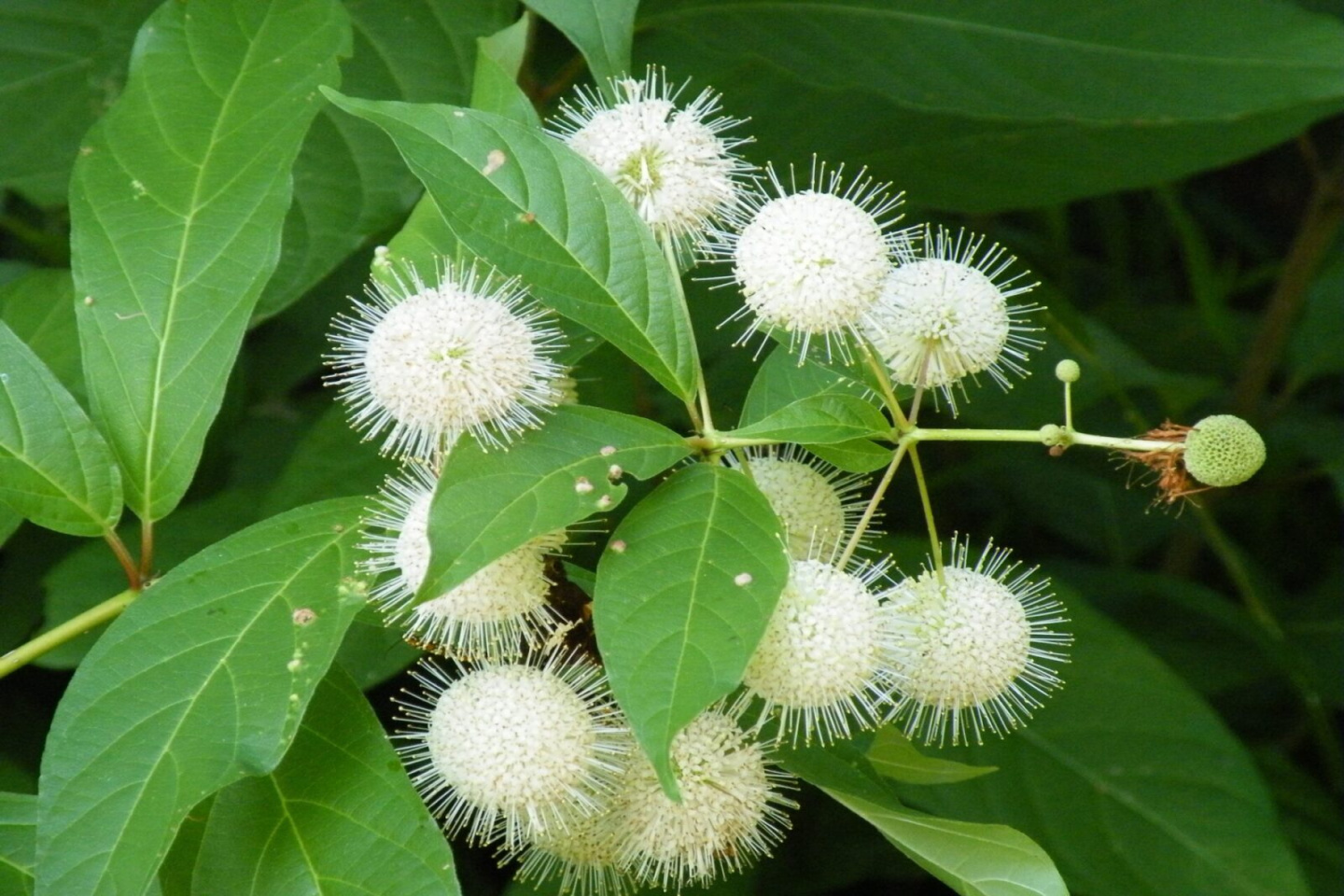
Buttonbush, also known as Cephalanthus occidentalis, is a stunning plant that can truly transform your garden into a beautiful and vibrant space. With its unique round clusters of tiny white flowers, buttonbush adds a touch of elegance and charm to any outdoor area. Not only is this plant visually appealing, but it also attracts a variety of beneficial wildlife such as butterflies and birds.
One of the key reasons why buttonbush is such a fantastic addition to any garden is its adaptability to different soil types and growing conditions. Whether you have a sunny spot in your garden or a shady corner that needs some brightening up, buttonbush can thrive in a variety of environments. This versatility makes it a great choice for gardeners of all skill levels.
In addition to its aesthetic appeal, buttonbush also offers a range of practical benefits for your garden. The plant’s deep roots help prevent soil erosion, making it an excellent choice for areas that are prone to runoff. Buttonbush is also known for its ability to attract pollinators such as bees and butterflies, which can help improve the overall health of your garden by increasing biodiversity.
When it comes to planting buttonbush, there are a few key things to keep in mind. This plant prefers moist soil, so be sure to water it regularly, especially during hot summer months. Buttonbush also benefits from a layer of mulch around its base to help retain moisture and suppress weeds. Additionally, pruning buttonbush in late winter or early spring can help promote healthy growth and flowering.
If you’re looking to add buttonbush to your garden, consider planting it near a pond or water feature. This plant thrives in wet conditions and can even be grown in shallow water, making it a perfect choice for water gardens. The reflection of the buttonbush’s delicate white flowers in the water can create a truly magical and serene atmosphere in your outdoor space.
Buttonbush is also a great choice for those looking to attract wildlife to their garden. The plant’s nectar-rich flowers are a favorite of butterflies and bees, while its berries provide an important food source for birds. By planting buttonbush in your garden, you can create a welcoming habitat for a variety of beneficial wildlife species.
In conclusion, buttonbush is a beautiful and versatile plant that can truly transform your garden into a vibrant and inviting space. With its unique flowers, adaptability to different growing conditions, and ability to attract beneficial wildlife, buttonbush is a must-have addition to any garden. Whether you have a sunny spot that needs some color or a water feature that could use a touch of elegance, buttonbush is sure to enhance the beauty and biodiversity of your outdoor space.
Discover the Beauty of Buttonbush Planting
Buttonbush, also known as Cephalanthus occidentalis, is a stunning and versatile plant that can make a beautiful addition to any garden. With its unique spherical blooms, glossy green leaves, and attractive bark, buttonbush is sure to add a touch of charm and elegance to your outdoor space.
One of the most striking features of the buttonbush plant is its round, white flower clusters that bloom in the summer months. These flowers, which resemble small, pincushion-like balls, attract a variety of pollinators such as bees, butterflies, and hummingbirds. Watching these pollinators flit and flutter around the buttonbush blooms is a delightful sight that will bring life and movement to your garden.
In addition to its eye-catching flowers, buttonbush also boasts lush green foliage that provides a lovely backdrop for the blooms. The glossy leaves are oval-shaped and arranged in an alternating pattern along the stems, creating a visually appealing texture. Whether planted as a focal point in your garden or as a border plant along a walkway, buttonbush is sure to draw attention and admiration from all who see it.
Another feature that makes buttonbush a standout plant is its unique bark, which is dark brown and exfoliates in thin, papery strips. This characteristic bark adds visual interest and texture to the plant, especially in the winter months when the leaves have fallen and the bare branches are on display. The combination of the buttonbush’s flowers, leaves, and bark make it a year-round attraction in any garden.
When it comes to planting buttonbush, there are a few key factors to keep in mind to ensure its success in your garden. Buttonbush thrives in moist to wet soil conditions, making it an excellent choice for areas with poor drainage or near bodies of water such as ponds or streams. It also prefers full sun to partial shade, so be sure to choose a location that receives plenty of sunlight throughout the day.
Buttonbush is a relatively low-maintenance plant once established, requiring little to no pruning or fertilizing. However, it is important to keep an eye on its water needs, especially during hot summer months when the soil may dry out more quickly. A layer of mulch around the base of the plant can help retain moisture and regulate soil temperature, ensuring that your buttonbush stays healthy and vibrant.
In terms of landscaping, buttonbush can be used in a variety of ways to enhance the beauty of your garden. Planting buttonbush near water features or in rain gardens can help control erosion and filter out pollutants, making it a functional as well as ornamental addition to your outdoor space. It also pairs well with other native plants and shrubs, creating a cohesive and harmonious planting scheme that celebrates the natural beauty of your surroundings.
Overall, buttonbush is a versatile and beautiful plant that deserves a place in your garden. With its unique blooms, glossy foliage, and attractive bark, buttonbush will add interest and charm to any outdoor space. Whether used as a focal point, a border plant, or a functional element in a rain garden, buttonbush is sure to delight and inspire all who encounter it. So why not add a touch of buttonbush beauty to your garden today?