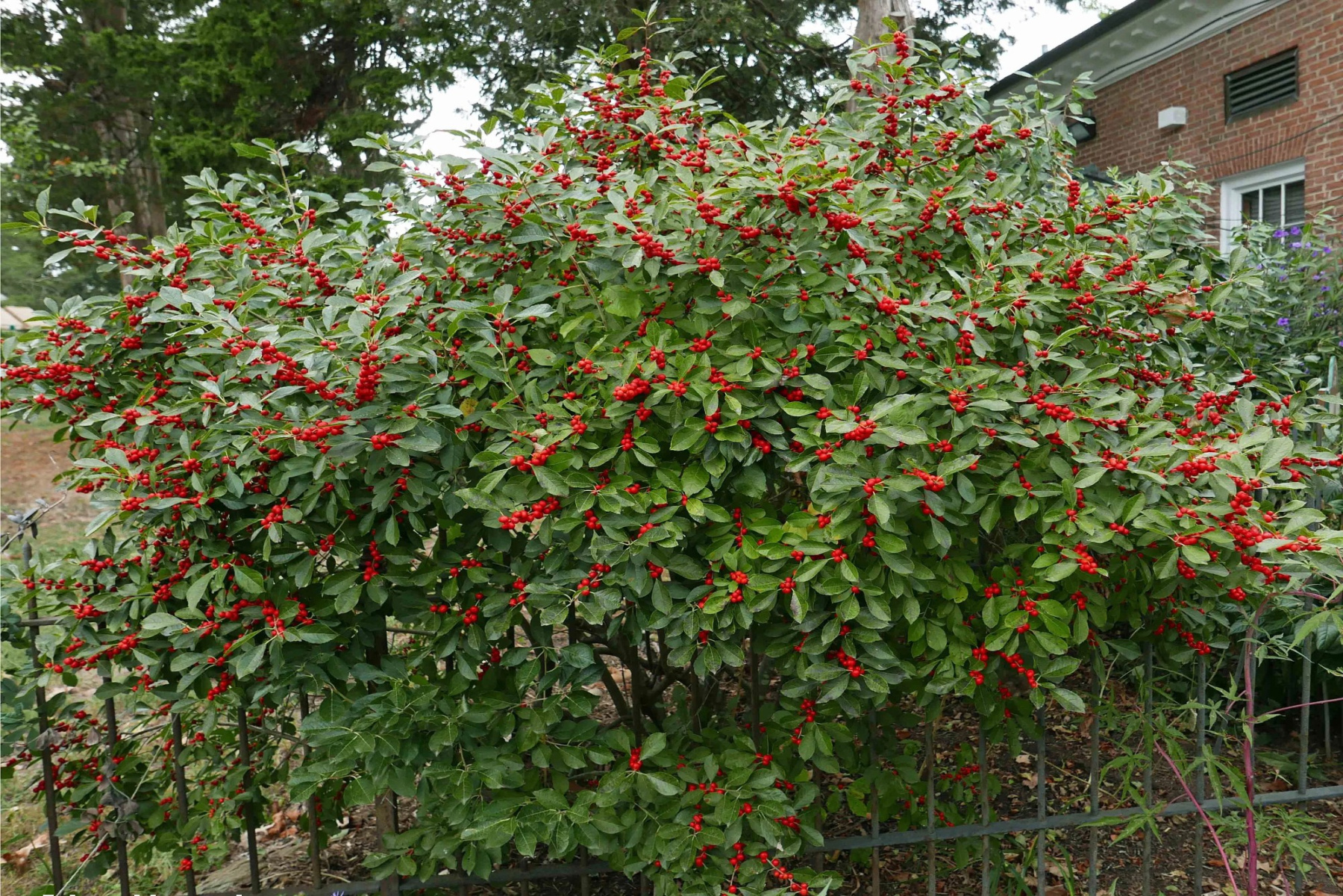
Embracing the Winter Wonderland: Ilex Verticillata
As the chill of winter sets in and the landscape becomes blanketed in snow, there is one plant that stands out among the frosty scenery – Ilex Verticillata, commonly known as the Winterberry plant. With its vibrant red berries and lush green leaves, this native North American shrub brings a pop of color to the barren winter landscape, celebrating the beauty of nature even in the coldest months.
The Winterberry plant is a species of holly that thrives in wet, swampy areas, making it a unique and resilient addition to any garden or landscape. Its bright red berries are a favorite among birds, who flock to the plant to feast on its nutritious fruit during the winter months. This symbiotic relationship between the Winterberry plant and its feathered friends adds to the enchanting allure of this winter wonder.
One of the most striking features of the Winterberry plant is its deciduous nature. While most holly plants are evergreen, retaining their leaves year-round, the Winterberry plant sheds its leaves in the fall, revealing its vibrant red berries in all their glory. This shedding of leaves symbolizes a shedding of the old to make way for the new, a beautiful metaphor for the cycle of life and renewal that is inherent in the changing seasons.
The red berries of the Winterberry plant are not only a feast for the eyes but also an important food source for wildlife during the harsh winter months. Birds such as robins, cedar waxwings, and thrushes rely on the berries for sustenance when other food sources are scarce. In this way, the Winterberry plant serves as a vital link in the delicate ecosystem of the winter landscape, providing nourishment and shelter for a variety of creatures.
In addition to its ecological importance, the Winterberry plant also holds cultural significance. In Native American folklore, holly plants were believed to have protective and healing properties, and were often used in rituals and ceremonies. The bright red berries of the Winterberry plant were thought to symbolize the life force and vitality of the plant, making it a powerful symbol of resilience and renewal.
For gardeners and nature enthusiasts, the Winterberry plant offers a unique opportunity to embrace the beauty of the winter season. Its striking red berries stand out against the white snow, creating a stunning contrast that is sure to captivate anyone who beholds it. Whether planted in a garden bed, used in floral arrangements, or simply admired from afar, the Winterberry plant brings a touch of magic to the winter landscape.
As we celebrate the beauty of Ilex Verticillata, let us also take a moment to appreciate the resilience and adaptability of nature. In the midst of the cold and darkness of winter, the Winterberry plant shines bright, reminding us of the beauty and wonder that can be found even in the most unlikely of places. So let us embrace the winter wonderland and all the joy and beauty that it has to offer, with the vibrant red berries of the Winterberry plant leading the way.
Radiant Red Berries: The Winter Beauty of Ilex Verticillata
As the winter season approaches and the landscape transforms into a frosty wonderland, one plant stands out among the rest for its vibrant display of color and festive spirit. Ilex Verticillata, more commonly known as the Winterberry plant, is a true gem of the winter garden with its radiant red berries that brighten up even the dreariest of days.
The Winterberry plant is a deciduous holly native to North America, known for its stunning display of bright red berries that adorn its bare branches throughout the winter months. These berries are not only visually striking but also provide a valuable food source for birds and other wildlife during the cold winter months when food is scarce.
The beauty of the Winterberry plant lies in its simplicity and elegance. The glossy green leaves provide a perfect backdrop for the clusters of red berries, creating a striking contrast that is sure to catch the eye of anyone passing by. Whether planted as a standalone specimen or used in mass plantings, the Winterberry plant never fails to make a statement in the winter garden.
One of the most enchanting qualities of the Winterberry plant is its ability to withstand harsh winter conditions while still maintaining its beauty. The bright red berries persist on the branches long after the leaves have fallen, creating a captivating display that is reminiscent of a winter wonderland straight out of a fairy tale.
In addition to its ornamental beauty, the Winterberry plant also holds cultural significance in many Native American tribes. The berries were often used in traditional ceremonies and rituals, symbolizing prosperity, protection, and good fortune. Today, the Winterberry plant continues to be a symbol of hope and resilience during the cold winter months, reminding us of the beauty that can be found even in the darkest of days.
The Winterberry plant is a versatile plant that can be used in a variety of ways to enhance the winter landscape. Whether used in a mixed border, as a focal point in the garden, or even as a festive decoration for the holiday season, the Winterberry plant adds a touch of magic and charm to any setting.
To truly appreciate the beauty of Ilex Verticillata, one must take the time to observe the plant up close and marvel at its intricate details. From the glossy leaves and vibrant berries to the delicate branches that sway in the winter breeze, every aspect of the Winterberry plant is a work of art that deserves to be celebrated.
In conclusion, the Winterberry plant is a true winter beauty that brings joy and color to the dreary winter landscape. Its radiant red berries are a symbol of hope and resilience, reminding us to embrace the beauty that can be found in even the coldest of seasons. So, this winter, take a moment to admire the beauty of Ilex Verticillata and celebrate the magic of the season.