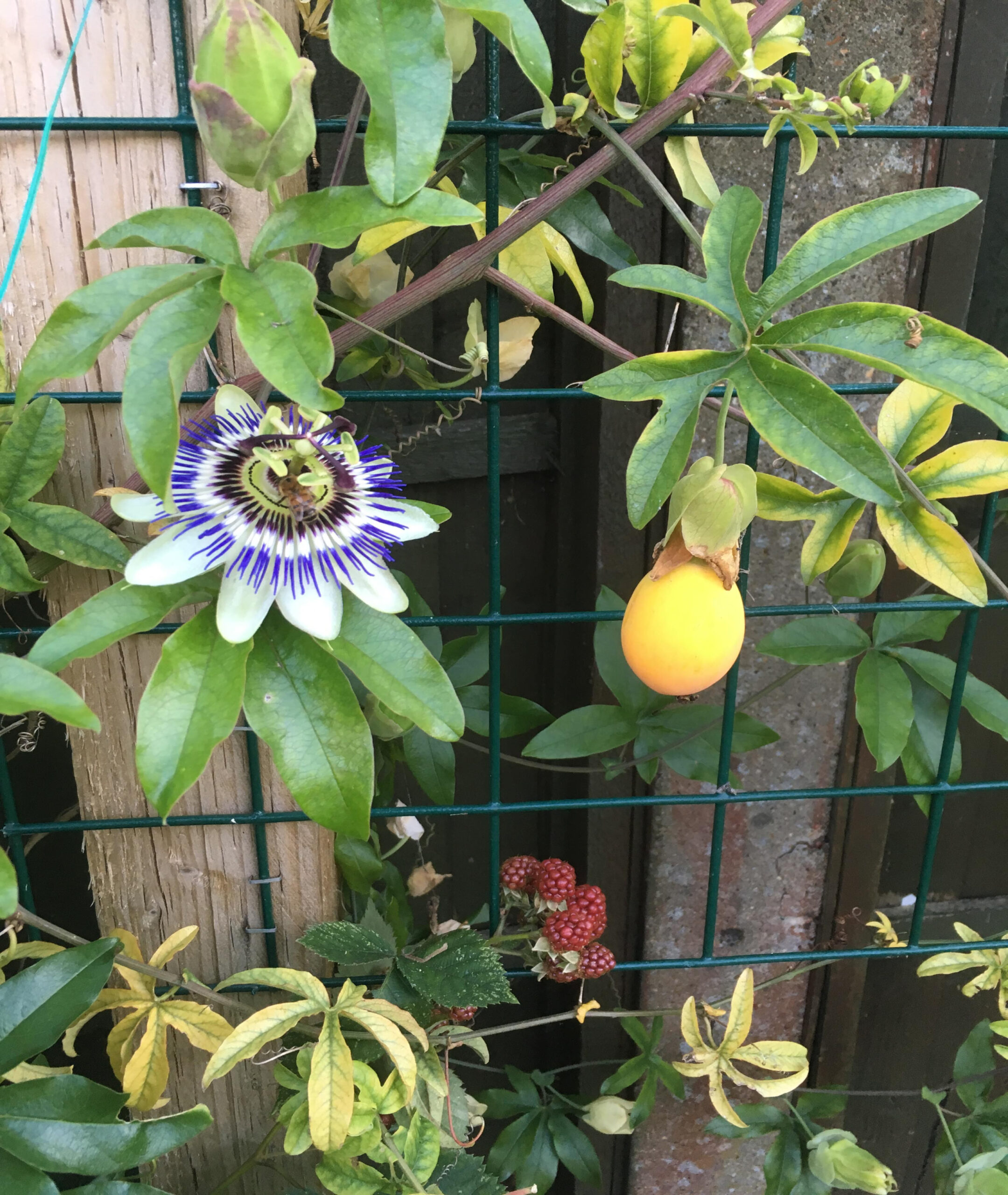
Unleashing the Sweetness: The Passion Fruit Plant
Passion fruit, with its sweet and tangy flavor, is a tropical fruit that has captured the hearts of many. This exotic fruit, also known as maracuya, granadilla, or lilikoi, comes from the passion fruit plant, which is a vine that belongs to the Passifloraceae family. The passion fruit plant is native to South America, but it is now grown in many tropical and subtropical regions around the world.
The passion fruit plant is a fast-growing vine that can reach up to 20 feet in length. It has dark green, deeply lobed leaves and produces beautiful, fragrant flowers that are typically white or purple in color. These flowers are followed by round or oval-shaped fruits that can vary in size and color, depending on the variety.
One of the most popular varieties of passion fruit is the purple passion fruit, which has a dark purple skin when ripe and a juicy, aromatic pulp that is full of flavor. The yellow passion fruit, on the other hand, has a yellow skin when ripe and a slightly sweeter taste. Both varieties are rich in vitamins and minerals, making them a healthy and delicious addition to any diet.
The passion fruit plant thrives in warm, humid climates with plenty of sunlight. It is a hardy plant that can tolerate a wide range of soil types, as long as it is well-drained. The vine needs support to grow properly, so it is often trained to climb on trellises or fences. With the right care and attention, the passion fruit plant can produce fruit year-round, providing a continuous supply of delicious, tropical treats.
To grow your own passion fruit plant, you can start by purchasing a healthy seedling from a nursery or propagating a cutting from an existing plant. Plant the seedling or cutting in a sunny spot with well-drained soil, and provide support for the vine to climb on. Water the plant regularly, especially during dry periods, and fertilize it with a balanced fertilizer to promote healthy growth and fruit production.
As the passion fruit plant grows, it will start to flower and produce fruit within a few months. The flowers are not only beautiful but also attract pollinators, such as bees and butterflies, which help to ensure a good fruit set. Once the fruit forms, it takes about 80 to 90 days to ripen, depending on the variety and growing conditions.
Harvesting passion fruit is a simple process – when the fruit is fully ripe, it will fall off the vine on its own. You can also gently twist the fruit to remove it from the vine. The skin of the fruit will wrinkle as it ripens, and it will have a sweet, floral aroma when ready to eat. Simply cut the fruit in half and scoop out the juicy pulp with a spoon, or use it to make delicious juices, desserts, and cocktails.
In addition to its delightful flavor, passion fruit is also packed with nutrients that offer a range of health benefits. It is high in fiber, vitamins A and C, and antioxidants, which help to boost the immune system, improve digestion, and protect against chronic diseases. The fruit is also low in calories and fat, making it a guilt-free indulgence for those watching their weight.
Whether enjoyed fresh or used in recipes, passion fruit adds a burst of tropical flavor to any dish. Its sweet and tangy taste pairs well with both sweet and savory ingredients, making it a versatile fruit for culinary creations. From smoothies and salads to sauces and sorbets, the possibilities are endless when it comes to unleashing the sweetness of the passion fruit plant. So why not add a touch of paradise to your plate and savor the exotic taste of passion fruit today?
Unleashing the Sweetness: The Passion Fruit Plant
Passion fruit, also known as the fruit of paradise, is a tropical fruit that is loved for its unique flavor and health benefits. The sweet and tangy taste of passion fruit makes it a popular ingredient in desserts, drinks, and even savory dishes. In this article, we will explore the beauty and sweetness of the passion fruit plant, and how it can be enjoyed in various ways.
The passion fruit plant, scientifically known as Passiflora edulis, is a vine species native to South America. It is cultivated in tropical and subtropical regions around the world, including Africa, Australia, and Southeast Asia. The plant produces round or oval-shaped fruits with a tough outer rind that turns from green to purple when ripe. Inside the fruit are juicy seeds surrounded by a gelatinous pulp that is both sweet and tart in flavor.
One of the most popular varieties of passion fruit is the purple passion fruit, which has a deep purple skin and a rich, floral aroma. The yellow passion fruit, on the other hand, has a smooth yellow skin and a milder flavor. Both varieties are equally delicious and can be used interchangeably in recipes.
The sweetness of the passion fruit comes from its high sugar content, which gives it a rich and satisfying taste. The fruit is also packed with vitamins, minerals, and antioxidants that make it a healthy addition to your diet. Passion fruit is a good source of vitamin C, vitamin A, and dietary fiber, which are essential for maintaining a healthy immune system and digestion.
In addition to its nutritional benefits, passion fruit is also known for its medicinal properties. The fruit has been used in traditional medicine to treat a variety of ailments, including digestive issues, insomnia, and anxiety. The high levels of antioxidants in passion fruit help to reduce inflammation and protect against chronic diseases such as heart disease and cancer.
There are many ways to enjoy the sweetness of passion fruit, from simply scooping out the pulp and eating it straight to incorporating it into delicious recipes. Passion fruit can be used to make refreshing drinks such as passion fruit juice, cocktails, and smoothies. It can also be added to desserts like cakes, tarts, and ice cream for a burst of tropical flavor.
For a savory twist, passion fruit can be used in marinades, sauces, and salad dressings to add a tangy kick to your dishes. The fruit pairs well with seafood, chicken, and pork, making it a versatile ingredient for a variety of cuisines. Whether you prefer sweet or savory flavors, the passion fruit plant has something to offer for everyone.
In conclusion, the passion fruit plant is a true gem of the tropics, with its sweet and tangy flavor and health benefits. By unleashing the sweetness of the passion fruit, you can add a touch of paradise to your meals and drinks. So go ahead, indulge in the beauty and sweetness of the passion fruit plant, and savor every delicious moment.