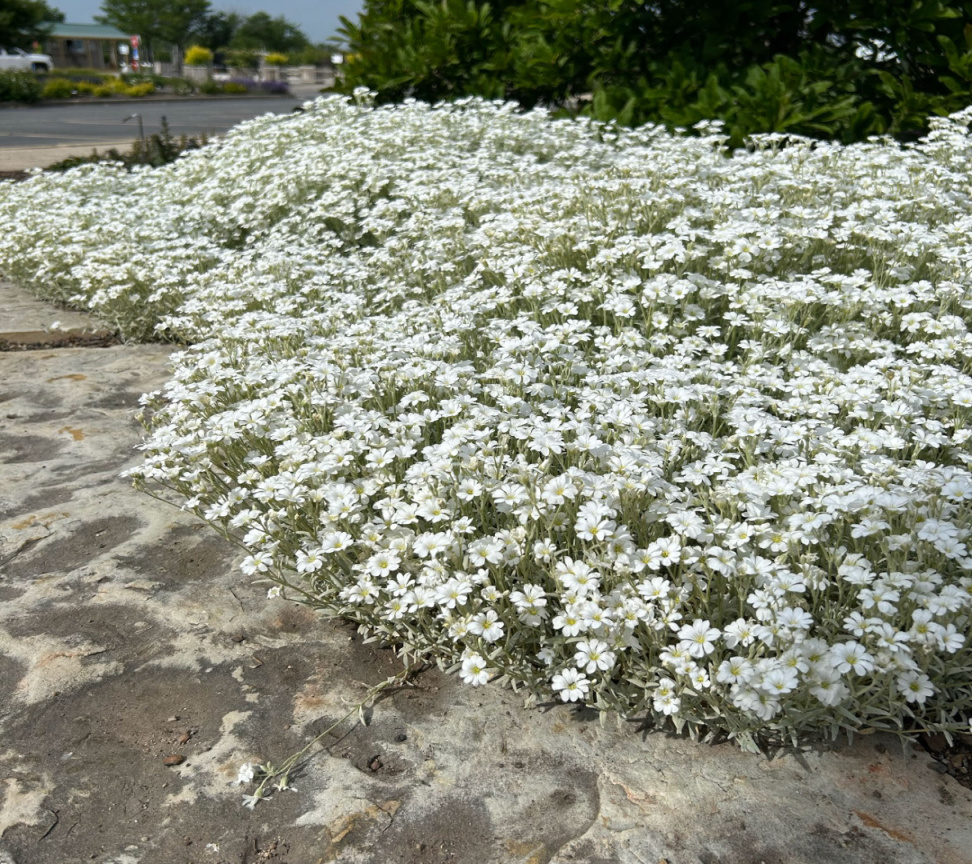
Embracing the Delicate Charm of Cerastium Tomentosum
Nestled in gardens and rockeries around the world, Cerastium tomentosum, also known as Snow-in-Summer, is a delicate and charming plant that brings a touch of elegance to any landscape. With its silvery leaves and tiny white flowers that resemble delicate snowflakes, this perennial herbaceous plant is a favorite among gardeners looking to add a touch of beauty to their outdoor spaces.
Cerastium tomentosum is native to the Mediterranean region, where it thrives in rocky, arid landscapes with plenty of sun and well-draining soil. Its low-growing habit and spreading nature make it an ideal ground cover, perfect for filling in gaps between stones or cascading over walls. The plant’s silvery foliage adds a touch of brightness to the garden, especially when planted alongside darker green plants or colorful flowers.
When it comes to growing and caring for Snow-in-Summer, there are a few key things to keep in mind. First and foremost, this plant thrives in full sun, so be sure to choose a spot in your garden that receives at least six hours of sunlight per day. In hotter climates, some afternoon shade may be necessary to prevent the leaves from scorching.
In terms of soil, Cerastium tomentosum prefers a well-draining, sandy or gritty soil. Avoid heavy clay soils, as they can lead to root rot and other issues. If your soil is on the heavier side, consider amending it with sand or perlite to improve drainage. Additionally, Snow-in-Summer is drought-tolerant once established, so be sure to let the soil dry out between waterings to prevent root rot.
One of the best things about Cerastium tomentosum is its low-maintenance nature. Once planted and established, Snow-in-Summer requires minimal care to thrive. However, to keep the plant looking its best, it’s a good idea to trim back any dead or leggy growth in the spring to encourage new growth and maintain a tidy appearance.
In terms of propagation, Snow-in-Summer can be easily divided in the spring or fall to create new plants. Simply dig up a clump of the plant and carefully separate the roots, then replant in a new location. Additionally, Cerastium tomentosum can be propagated from cuttings taken in the spring or early summer. Simply take a cutting from a healthy stem, remove the lower leaves, and place in a pot of well-draining soil.
In terms of pests and diseases, Cerastium tomentosum is relatively resistant to most common garden pests and diseases. However, it can be susceptible to root rot if planted in poorly draining soil, so be sure to monitor the soil moisture levels and adjust your watering schedule accordingly. Additionally, keep an eye out for powdery mildew, a common fungal disease that can affect Snow-in-Summer in humid conditions. To prevent powdery mildew, provide good air circulation around the plant and avoid overhead watering.
In conclusion, Cerastium tomentosum, or Snow-in-Summer, is a beautiful and charming plant that can add a touch of elegance to any garden. With its silvery foliage, delicate white flowers, and low-maintenance nature, this perennial herbaceous plant is a favorite among gardeners looking to brighten up their outdoor spaces. By following a few simple care tips and providing the plant with the right growing conditions, you can enjoy the beauty of Snow-in-Summer in your own garden for years to come.
Unveiling the Secrets to Growing Snow-in-Summer Flowers
Nestled in gardens and landscapes around the world, the Cerastium tomentosum, also known as Snow-in-Summer, is a delicate and charming flower that captivates all who lay eyes on it. With its soft, silvery foliage and dainty white blooms that resemble fluffy snowflakes, this perennial plant adds a touch of elegance and beauty to any setting. If you’re looking to add a touch of whimsy to your garden, look no further than the Snow-in-Summer flower.
Growing Snow-in-Summer flowers is a rewarding experience that requires a bit of patience, but with the right knowledge and care, you can enjoy these lovely blooms for years to come. Before you embark on your journey of cultivating Snow-in-Summer flowers, it’s important to understand the secrets to successfully growing and caring for these stunning plants.
First and foremost, Snow-in-Summer flowers thrive in well-drained soil and plenty of sunlight. These plants prefer full sun to partial shade, so be sure to plant them in a location where they will receive at least six hours of sunlight per day. Additionally, Snow-in-Summer flowers do best in soil that is slightly alkaline and well-draining. If your soil is heavy or clay-like, consider amending it with compost or sand to improve drainage.
When planting Snow-in-Summer flowers, be sure to space them at least 12 inches apart to allow for adequate air circulation and prevent overcrowding. This will help prevent diseases and promote healthy growth. Water your Snow-in-Summer plants regularly, keeping the soil evenly moist but not waterlogged. Overwatering can lead to root rot, so it’s important to strike a balance and avoid letting the soil become soggy.
One of the secrets to successfully growing Snow-in-Summer flowers is to deadhead them regularly. Deadheading involves removing spent blooms to encourage the plant to produce more flowers. This not only keeps your plant looking tidy and attractive but also promotes continuous blooming throughout the growing season. Simply pinch off the faded blooms with your fingers or a pair of garden shears to encourage new growth.
In addition to deadheading, it’s important to fertilize your Snow-in-Summer flowers regularly to promote healthy growth and abundant blooming. A balanced, all-purpose fertilizer can be applied in the spring when new growth appears and again in mid-summer to encourage continuous blooming. Be sure to follow the manufacturer’s instructions for application rates and frequency to avoid over-fertilizing.
Another secret to growing healthy and vibrant Snow-in-Summer flowers is to mulch around the base of the plant. Mulching helps retain moisture in the soil, suppress weeds, and regulate soil temperature. Organic mulches, such as shredded bark or compost, are ideal for Snow-in-Summer flowers as they break down over time and enrich the soil. Apply a layer of mulch around the base of the plant, taking care not to cover the crown, to help your Snow-in-Summer flowers thrive.
As the summer months approach, it’s important to keep an eye out for pests and diseases that can affect Snow-in-Summer flowers. Common pests that may target these plants include aphids, spider mites, and slugs. To combat these pests, regularly inspect your plants for signs of infestation and treat them with insecticidal soap or neem oil as needed. Additionally, keep an eye out for powdery mildew, a fungal disease that can affect Snow-in-Summer flowers. To prevent powdery mildew, avoid overhead watering and provide good air circulation around the plants.
In conclusion, growing and caring for Snow-in-Summer flowers is a delightful and rewarding experience that allows you to enjoy the beauty of these charming plants throughout the growing season. By following the secrets outlined above, you can cultivate healthy, vibrant Snow-in-Summer flowers that will brighten your garden and bring joy to all who see them. So roll up your sleeves, grab your gardening gloves, and get ready to explore the beauty of Cerastium tomentosum with Snow-in-Summer flowers.