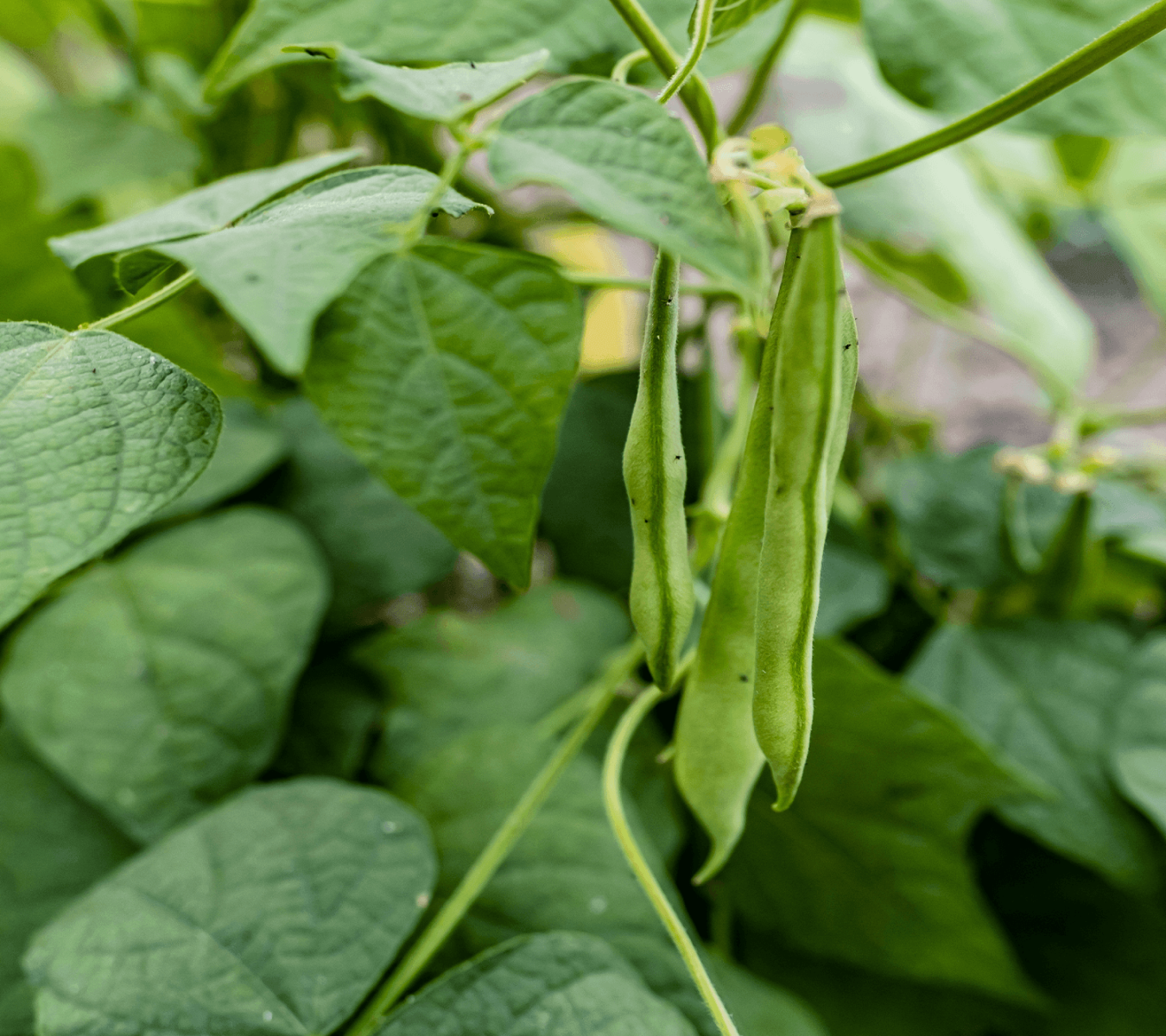
Bountiful Harvests Await: How to Grow French Bean Plants!
If you’re looking to add some green goodness to your garden, French bean plants are a fantastic choice. Not only are they easy to grow, but they also produce bountiful harvests that will keep you well-stocked with delicious veggies throughout the growing season. In this guide, we’ll cover everything you need to know about cultivating this versatile veggie.
French bean plants, also known as green beans or snap beans, are a staple in many home gardens due to their ease of cultivation and tasty rewards. These plants belong to the legume family and come in a variety of types, including bush beans and pole beans. Bush beans are compact plants that don’t require support, making them ideal for smaller gardens or containers. Pole beans, on the other hand, are climbing plants that need a trellis or support structure to grow properly.
To get started with growing French bean plants, you’ll need to choose a sunny spot in your garden with well-drained soil. These plants thrive in full sun, so make sure they receive at least 6-8 hours of sunlight each day. Before planting, it’s a good idea to amend the soil with compost or organic matter to improve drainage and fertility. French beans prefer slightly acidic soil with a pH of around 6.0-6.8.
When planting French bean seeds, sow them directly into the garden after the last frost date in your area. You can also start seeds indoors 2-3 weeks before your planting date and transplant them outside once the weather warms up. Make sure to space the seeds or seedlings according to the recommendations on the seed packet, as overcrowding can lead to poor growth and lower yields.
French bean plants require regular watering to keep the soil consistently moist but not waterlogged. A layer of mulch around the base of the plants can help retain moisture and suppress weeds. It’s also important to provide support for pole beans by installing a trellis or teepee structure to help them climb and prevent the vines from becoming tangled.
One of the great things about growing French bean plants is that they are relatively low-maintenance. They don’t require much fertilization, but a side-dressing of compost or a balanced fertilizer halfway through the growing season can help boost plant growth and yield. Regularly inspect the plants for pests like aphids or bean beetles, and remove any affected leaves or insects promptly to prevent infestations.
As the French bean plants begin to flower, it’s important to encourage pollination by gently shaking the plants or using a small paintbrush to transfer pollen between flowers. This will help ensure that the plants set fruit and produce a healthy crop of beans. Harvest the beans when they are young and tender, as they tend to become tough and stringy if left on the vine for too long.
French bean plants are known for their ability to produce a continuous harvest throughout the growing season. By picking the beans regularly, you can encourage the plants to keep producing new growth and extend the harvest period. Store harvested beans in the refrigerator for up to a week, or blanch and freeze them for longer-term storage.
In conclusion, growing French bean plants is a rewarding experience that can provide you with a bountiful harvest of fresh, homegrown veggies. By following the tips outlined in this guide, you can cultivate healthy and productive plants that will keep you well-fed throughout the growing season. So roll up your sleeves, get your hands dirty, and enjoy the satisfaction of growing your own delicious French beans!
Tips for Thriving Veggies: Caring for Your French Beans
When it comes to growing and caring for French bean plants, there are a few key tips that can help ensure your veggies thrive and produce a bountiful harvest. French beans, also known as snap beans or green beans, are a versatile veggie that can be enjoyed in a variety of dishes. Whether you’re a seasoned gardener or a beginner looking to try your hand at cultivating your own veggies, these tips will help you grow healthy and vibrant French bean plants.
One of the most important factors in caring for your French beans is ensuring they have the right growing conditions. French beans thrive in well-drained soil that is rich in organic matter. Before planting your beans, be sure to amend your soil with compost or aged manure to provide them with the nutrients they need to grow strong and healthy.
French beans also prefer full sun, so be sure to plant them in a spot in your garden that receives at least 6-8 hours of sunlight per day. If you’re growing your beans in a container, be sure to place them in a sunny location where they will receive ample sunlight.
When it comes to watering your French bean plants, it’s important to keep the soil consistently moist but not waterlogged. Be sure to water your beans regularly, especially during dry spells, to help them grow and produce healthy pods. Avoid overhead watering, as this can lead to the development of fungal diseases. Instead, water at the base of the plants to ensure the roots receive adequate moisture.
In addition to watering, it’s also important to provide your French bean plants with proper support. French beans are climbers, so they will need a trellis or other support structure to help them grow upward. Be sure to install your support system before planting your beans, as disturbing the roots once they are established can stunt their growth.
Another key aspect of caring for your French beans is fertilizing them regularly. French beans are heavy feeders, so be sure to provide them with a balanced fertilizer that is high in nitrogen. You can also side-dress your beans with compost or aged manure throughout the growing season to help them thrive.
Pest control is also an important aspect of caring for your French bean plants. Keep an eye out for common pests such as aphids, bean beetles, and caterpillars, and take steps to control them before they can damage your plants. You can use natural methods such as hand-picking pests or spraying them with a mixture of water and dish soap to keep them at bay.
Finally, harvesting your French beans at the right time is essential to ensuring they are at their peak flavor and quality. French beans are typically ready to harvest when the pods are young and tender, usually around 3-4 inches long. Be sure to pick your beans regularly to encourage continued production throughout the growing season.
By following these tips for caring for your French bean plants, you can enjoy a bountiful harvest of fresh and healthy veggies that are perfect for adding to your favorite dishes. With a little bit of care and attention, you can cultivate your own French beans and enjoy the satisfaction of growing your own food. So roll up your sleeves, dig in the dirt, and watch your French bean plants thrive!