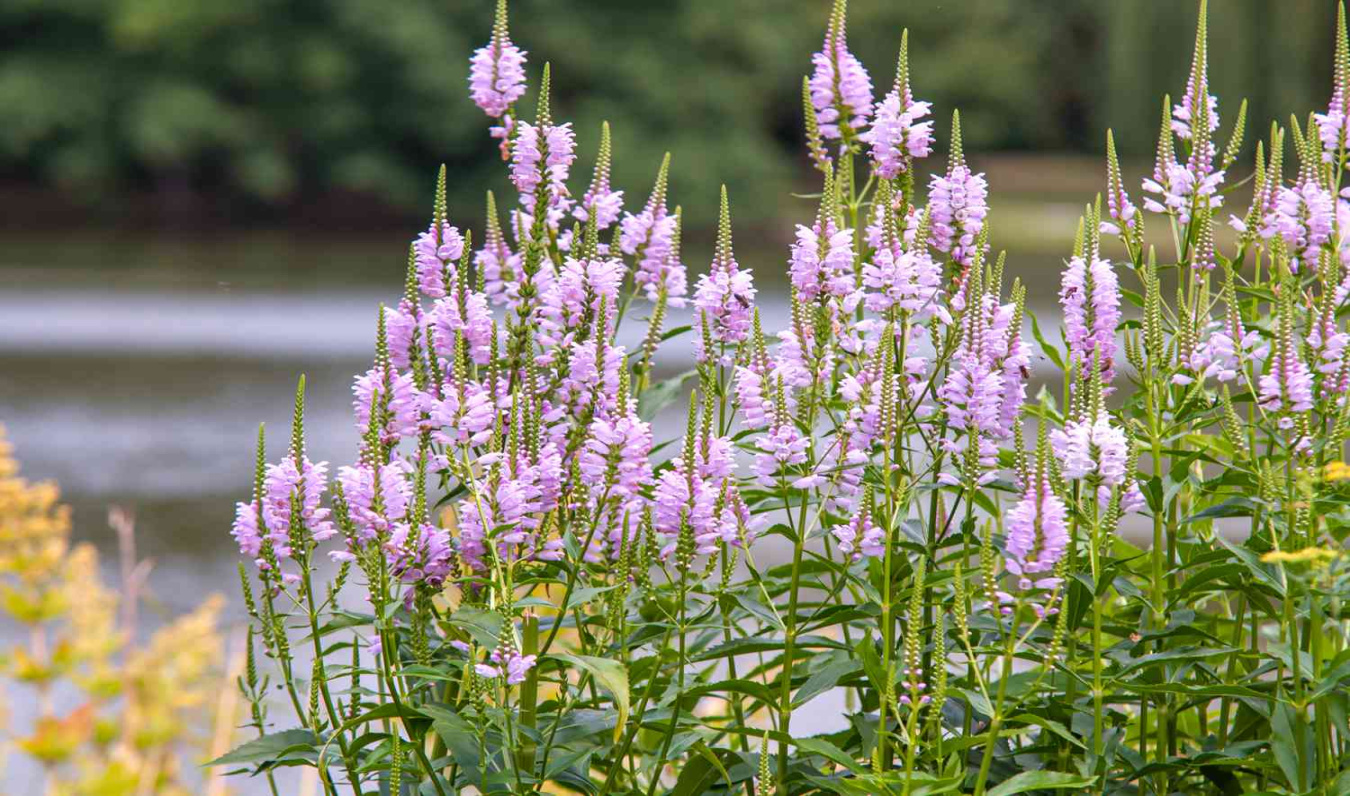
The Graceful Obedient Plant: A Garden Favorite
In the world of gardening, there are certain plants that stand out for their unique beauty and charm. One such plant is the obedient plant, also known as Physostegia virginiana. This perennial plant is native to North America and is a favorite among gardeners for its graceful appearance and easy maintenance.
The obedient plant gets its name from its unique blooming pattern. The individual flowers on the plant’s spike-like stems can be easily moved into different positions and will stay in place, hence the name obedient. This feature makes the plant a favorite for floral arrangements and bouquets, adding a touch of whimsy and elegance to any arrangement.
In addition to its distinctive blooming pattern, the obedient plant also boasts lovely, tubular flowers that come in shades of pink, purple, and white. These flowers not only attract bees and butterflies to the garden but also add a pop of color that brightens up any outdoor space.
One of the reasons why the obedient plant is so beloved by gardeners is its low maintenance requirements. This plant thrives in full sun to partial shade and can adapt to a variety of soil types. It is also drought tolerant once established, making it a great choice for busy gardeners who may not have the time to water their plants regularly.
Another reason why the obedient plant is a garden favorite is its ability to attract pollinators to the garden. Bees, butterflies, and hummingbirds all love the nectar-rich flowers of the obedient plant, making it a valuable addition to any pollinator garden. By planting obedient plants in your garden, you can help support local pollinator populations and encourage biodiversity in your outdoor space.
In addition to its beauty and pollinator-attracting qualities, the obedient plant is also known for its versatility in the garden. It can be grown as a border plant, a focal point in a mixed perennial bed, or even in containers on a patio or balcony. Its tall, slender stems make it a great choice for adding vertical interest to your garden, while its long-lasting blooms ensure that you’ll have color in your garden throughout the summer months.
If you’re looking to add the obedient plant to your garden, you’ll be pleased to know that it is relatively easy to propagate. You can divide mature plants in the spring or fall to create new plants, or you can collect seeds from the dried flower heads to sow directly in the garden. With a little bit of care and attention, you can create a beautiful display of obedient plants in your own outdoor space.
Whether you’re a seasoned gardener looking to add a new plant to your collection or a beginner looking for an easy-to-grow perennial, the obedient plant is a great choice. Its enchanting beauty, easy maintenance, and versatility in the garden make it a garden favorite that is sure to bring joy and color to your outdoor space. Add a few obedient plants to your garden this season and enjoy the graceful beauty they bring to your outdoor oasis.
How to Cultivate Your Own Garden Oasis
Creating a garden oasis in your own backyard is a dream for many homeowners. A place where you can escape the hustle and bustle of everyday life and unwind in a serene and tranquil environment. With a little bit of planning and some hard work, you can transform your outdoor space into a beautiful oasis that you can enjoy for years to come.
The first step to creating your garden oasis is to carefully plan out your space. Consider the size of your yard, the amount of sunlight it receives, and the type of soil you have. This will help you determine which plants will thrive in your garden and which ones may struggle. Choose a variety of plants that will provide color, texture, and fragrance throughout the year.
One plant that is a favorite among gardeners for creating a peaceful oasis is the obedient plant. With its tall, spiky flowers and graceful arching stems, this plant adds a touch of elegance to any garden. The obedient plant is named for its ability to stay in place when bent or moved, making it a perfect addition to borders and flower beds.
When planting your garden oasis, be sure to leave plenty of space between plants to allow for growth. It’s also important to consider the height and spread of each plant to ensure they have enough room to thrive. Group plants with similar water and sunlight needs together to make watering and care easier.
In addition to plants, consider adding other elements to your garden oasis such as a water feature, a seating area, or a trellis for climbing vines. These additions can help create a sense of relaxation and tranquility in your outdoor space. A bubbling fountain or a gently trickling stream can drown out noise from the outside world and create a peaceful atmosphere.
Maintaining your garden oasis is key to keeping it looking beautiful year after year. Regular watering, weeding, and pruning are essential tasks to ensure your plants stay healthy and vibrant. Mulching around plants can help retain moisture in the soil and suppress weeds. Consider using organic fertilizers to feed your plants and promote strong growth.
As your garden oasis grows and matures, you may find yourself spending more and more time outside enjoying the sights and sounds of nature. Whether you’re sipping a cup of tea in the morning sun or hosting a garden party with friends, your outdoor oasis will become a cherished retreat for relaxation and rejuvenation.
In conclusion, creating a garden oasis takes time and effort, but the rewards are well worth it. With careful planning and a little creativity, you can cultivate a beautiful outdoor space that brings joy and peace to your life. So roll up your sleeves, grab your gardening gloves, and start transforming your backyard into a tranquil oasis that you can enjoy for years to come.