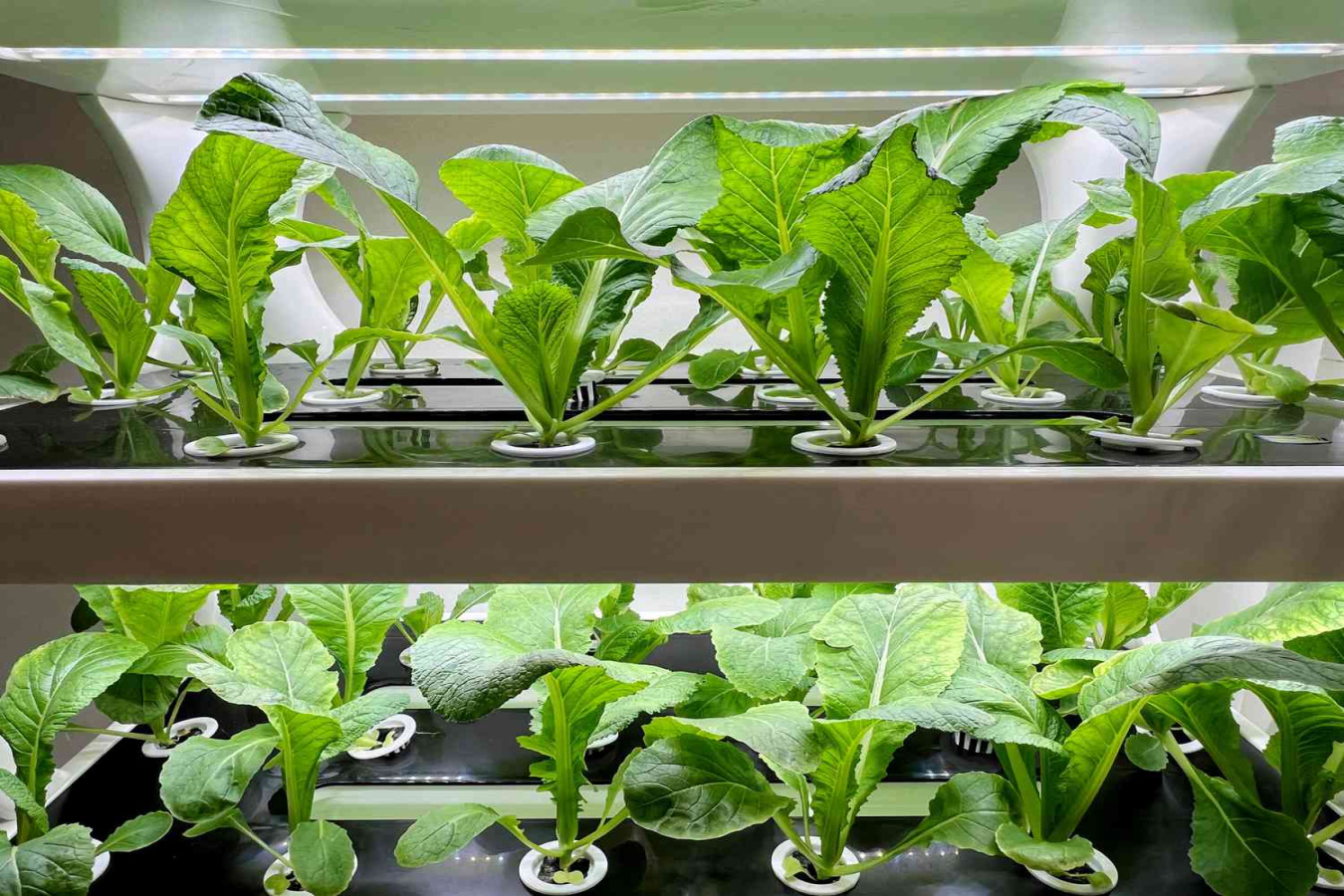
Growing Green: The Hydroponics Plant Revolution
Cultivating a Greener Future
In a world where environmental concerns are at the forefront of global discussions, it is more important than ever to find sustainable solutions for our food production. One such solution that is gaining traction in the agricultural industry is hydroponics – a method of growing plants without soil.
Hydroponics offers a revolutionary approach to farming by allowing plants to grow in nutrient-rich water solutions, without the need for traditional soil. This method not only conserves water and land resources but also reduces the need for harmful pesticides and herbicides, making it a more eco-friendly option for cultivating crops.
By cultivating a greener future through hydroponics, we are not only able to produce more food in a smaller space, but we are also able to do so in a more sustainable and environmentally friendly way. This means less strain on the earth’s resources and a reduced carbon footprint, ultimately leading to a healthier and more sustainable future for generations to come.
The beauty of hydroponics lies in its versatility – it can be implemented on a small scale for home gardening or on a larger scale for commercial farming. This means that anyone, from the casual gardener to the professional farmer, can participate in the hydroponics plant revolution and contribute to a greener future.
Imagine being able to grow fresh produce right in your own home, without the need for soil or extensive gardening knowledge. With hydroponics, this dream becomes a reality. By providing plants with the nutrients they need directly through water solutions, hydroponics makes growing your own fruits, vegetables, and herbs easier and more accessible than ever before.
Not only does hydroponics offer a more sustainable way to grow food, but it also allows for greater control over the growing process. By monitoring factors such as nutrient levels, pH balance, and temperature, hydroponic growers can optimize plant growth and maximize yields. This level of precision and control is what sets hydroponics apart from traditional farming methods and makes it a key player in the future of agriculture.
As we continue to face challenges such as climate change, water scarcity, and food insecurity, it is imperative that we embrace innovative solutions like hydroponics to address these pressing issues. By cultivating a greener future through hydroponics, we can not only feed a growing population but also protect our planet for future generations.
In conclusion, hydroponics offers a promising solution to the environmental and sustainability challenges facing our world today. By embracing this revolutionary method of plant cultivation, we can create a greener future for all and pave the way for a more sustainable and environmentally friendly food system. So let’s join the hydroponics plant revolution and cultivate a brighter, greener future for our planet.
Hydroponics: The Future of Farming
In a world where sustainability and environmental conservation are becoming increasingly important, hydroponics has emerged as a revolutionary method of farming that is taking the agricultural industry by storm. By growing plants without soil and using nutrient-rich water solutions instead, hydroponics is not only changing the way we grow our food, but also offering a more efficient and eco-friendly alternative to traditional farming methods.
The concept of hydroponics dates back to ancient civilizations such as the Babylonians and Aztecs, who used it to grow crops in areas where soil was scarce. However, it has only recently gained mainstream attention as a viable solution to the environmental challenges facing modern agriculture. With hydroponics, plants are able to grow faster and produce higher yields compared to traditional farming methods, making it a more sustainable option for feeding our growing population.
One of the key advantages of hydroponics is its ability to conserve water. Traditional farming methods require large amounts of water to be used for irrigation, leading to water wastage and potential water shortages in drought-prone areas. In contrast, hydroponic systems use up to 90% less water than conventional farming, as the water used is recirculated and reused, resulting in significant water savings and a more sustainable approach to agriculture.
Another benefit of hydroponics is its versatility and adaptability. Hydroponic systems can be set up in a variety of locations, from urban rooftops to indoor warehouses, allowing farmers to grow food in areas where traditional farming may not be feasible. This means that fresh, locally grown produce can be more easily accessible to urban populations, reducing the need for long-distance transportation and cutting down on carbon emissions.
Hydroponics also offers the advantage of greater control over plant growth and nutrient uptake. By providing plants with the exact nutrients they need in the correct amounts, hydroponic farmers can optimize plant growth and maximize yields. This precision farming approach not only results in higher quality produce, but also reduces the need for chemical fertilizers and pesticides, making hydroponics a more sustainable and environmentally friendly option for food production.
In addition to its environmental benefits, hydroponics also has the potential to revolutionize the way we think about food security and access to fresh produce. By enabling year-round growing and faster plant growth, hydroponics can help address food shortages in regions with limited arable land or harsh climates. This can have a significant impact on communities that struggle with food insecurity, providing them with a reliable source of nutritious food that is locally grown and sustainable.
As hydroponics continues to gain momentum in the agricultural industry, it is clear that this innovative farming method has the potential to transform the way we grow our food and address the environmental challenges facing our planet. By harnessing the power of technology and sustainability, hydroponics is paving the way for a greener future where fresh, healthy produce is grown in harmony with the environment. The future of farming is here, and it is growing green with hydroponics.