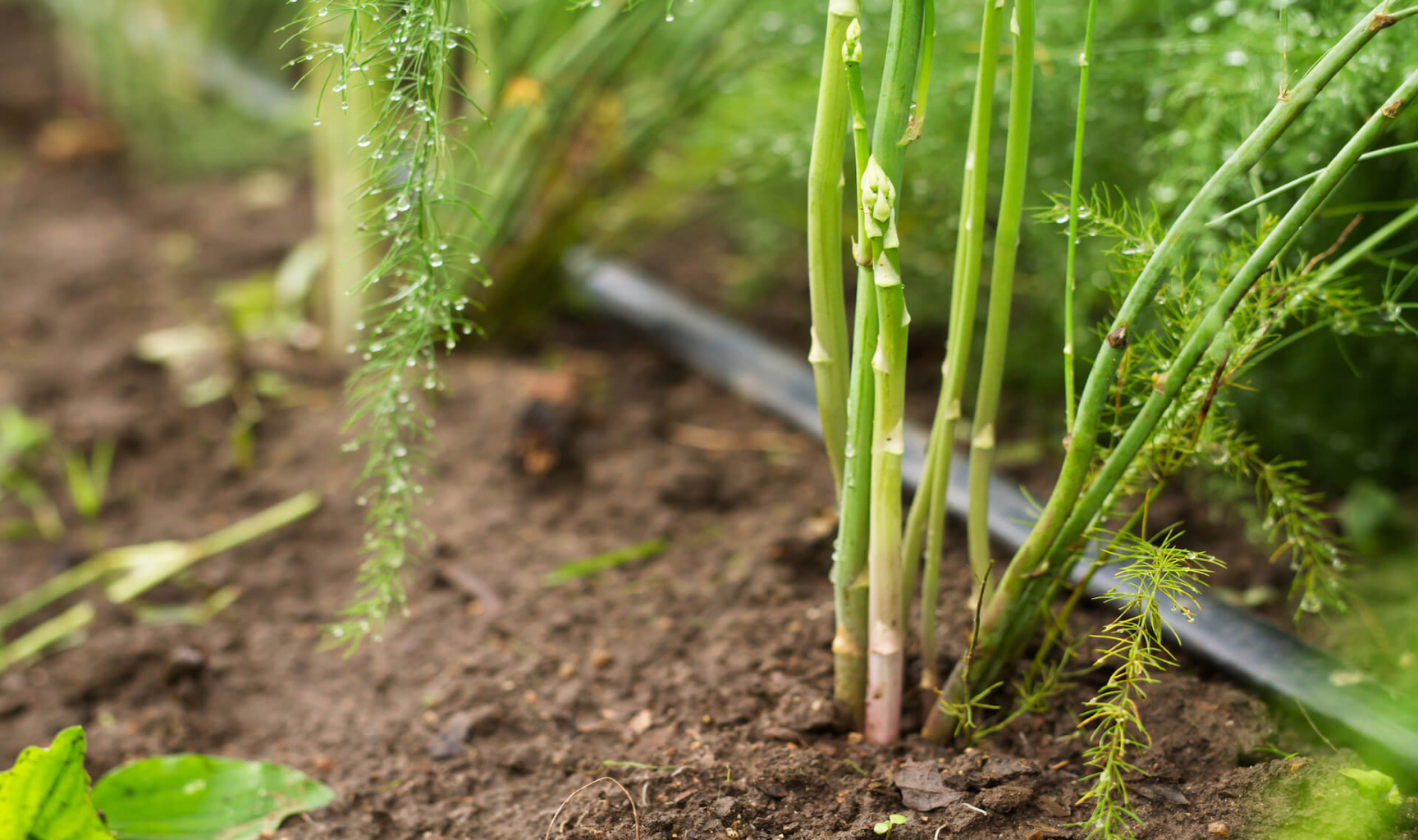
Planting Asparagus: Cultivating the Perfect Garden Patch
Asparagus is a delicious and nutritious vegetable that can be easily grown in your own garden. Planting asparagus is the first step towards a bountiful harvest, and cultivating the perfect garden patch is essential for a successful asparagus crop. In this article, we will explore the ins and outs of planting asparagus, from choosing the right location to preparing the soil and caring for your plants.
To start your asparagus journey, it’s important to select a sunny spot in your garden that receives at least 6-8 hours of sunlight each day. Asparagus plants thrive in well-drained soil, so make sure to choose a location that does not get waterlogged. It’s also important to choose a spot that is not too windy, as asparagus plants can be quite delicate and may break in strong winds.
Once you have chosen the perfect location, it’s time to prepare the soil for planting. Asparagus plants prefer soil that is rich in organic matter, so be sure to add plenty of compost or well-rotted manure to your garden patch. You can also add a balanced fertilizer to the soil to give your plants a head start.
When planting asparagus, it’s important to space your plants properly to allow for optimal growth. Asparagus plants should be spaced about 18 inches apart in rows that are about 4 feet apart. Dig a trench that is about 6-8 inches deep and place the asparagus crowns at the bottom of the trench, making sure to spread out the roots. Cover the crowns with about 2 inches of soil and water them well.
After planting your asparagus, it’s important to keep the soil consistently moist to encourage growth. Asparagus plants should be watered regularly, especially during dry spells. Mulching around your plants can help to retain moisture in the soil and keep weeds at bay.
As your asparagus plants begin to grow, it’s important to keep an eye out for pests and diseases that can affect them. Common pests that may attack asparagus plants include asparagus beetles and aphids, so be sure to check your plants regularly and take action if you notice any signs of infestation. You can also protect your plants by planting them alongside companion plants that repel pests, such as marigolds or basil.
Caring for your asparagus plants as they grow is essential for a successful harvest. Asparagus plants should be fed with a balanced fertilizer in the spring and fall to ensure healthy growth. It’s also important to keep them well-weeded and to remove any dead or yellowing foliage to prevent disease.
When it comes time to harvest your asparagus, it’s important to do so carefully to ensure that your plants continue to produce for years to come. Asparagus spears should be cut when they are about 6-8 inches tall, using a sharp knife to cut them at the soil level. It’s important not to harvest too many spears in the first year to allow your plants to establish themselves properly.
In conclusion, planting asparagus is a rewarding experience that can lead to a bountiful harvest of delicious and nutritious vegetables. By choosing the right location, preparing the soil properly, and caring for your plants as they grow, you can enjoy a successful asparagus crop for years to come. So get out there and start cultivating the perfect garden patch for your asparagus plants!
Harvesting Happiness: Tips for Growing Asparagus Plants
Asparagus is a delightful and nutritious vegetable that can bring joy and satisfaction to any gardener. With its unique flavor and vibrant green color, asparagus has become a popular choice for many home gardeners looking to add a touch of elegance to their vegetable patches. In this article, we will explore some tips and tricks for growing asparagus plants to ensure a bountiful harvest that will bring happiness to your dinner table.
One of the most important aspects of growing asparagus plants is choosing the right location for your garden patch. Asparagus plants thrive in well-drained soil and plenty of sunlight, so be sure to select a spot in your garden that receives at least 6-8 hours of sunlight per day. Additionally, asparagus plants prefer slightly acidic soil with a pH level between 6.0 and 7.0, so be sure to test your soil and amend it as needed before planting your asparagus crowns.
When it comes to planting asparagus crowns, timing is key. Asparagus plants are best planted in early spring, as soon as the soil can be worked. To plant your asparagus crowns, dig a trench about 6-8 inches deep and spread the roots out evenly along the bottom of the trench. Cover the roots with about 2 inches of soil and water thoroughly. As the asparagus plants grow, gradually fill in the trench with soil until it is level with the surrounding ground.
Once your asparagus plants are established, it’s time to start thinking about harvesting. Asparagus plants typically take about 2-3 years to reach full maturity, so be patient as you wait for your first harvest. When your asparagus spears are about 6-8 inches tall, it’s time to start harvesting. To harvest your asparagus, simply snap or cut the spears at ground level using a sharp knife or scissors. Be sure to harvest your asparagus regularly to encourage new growth and ensure a continuous harvest throughout the season.
To ensure a bountiful harvest of asparagus, it’s important to take good care of your plants throughout the growing season. Asparagus plants are heavy feeders, so be sure to fertilize regularly with a balanced fertilizer to promote healthy growth. Additionally, be sure to keep your garden patch free of weeds and pests that can hinder the growth of your asparagus plants.
Another important aspect of growing asparagus plants is proper mulching. Mulching helps retain moisture in the soil, suppress weeds, and regulate soil temperature, all of which are essential for the health and vitality of your asparagus plants. You can use a variety of materials for mulching, such as straw, grass clippings, or shredded leaves. Be sure to apply a thick layer of mulch around your asparagus plants, being careful not to cover the spears themselves.
In conclusion, growing asparagus plants can be a rewarding and enjoyable experience for any gardener. By following these tips and tricks for cultivating asparagus plants, you can ensure a bountiful harvest that will bring happiness to your dinner table. So roll up your sleeves, grab your gardening tools, and get ready to enjoy the fruits of your labor with fresh, homegrown asparagus.