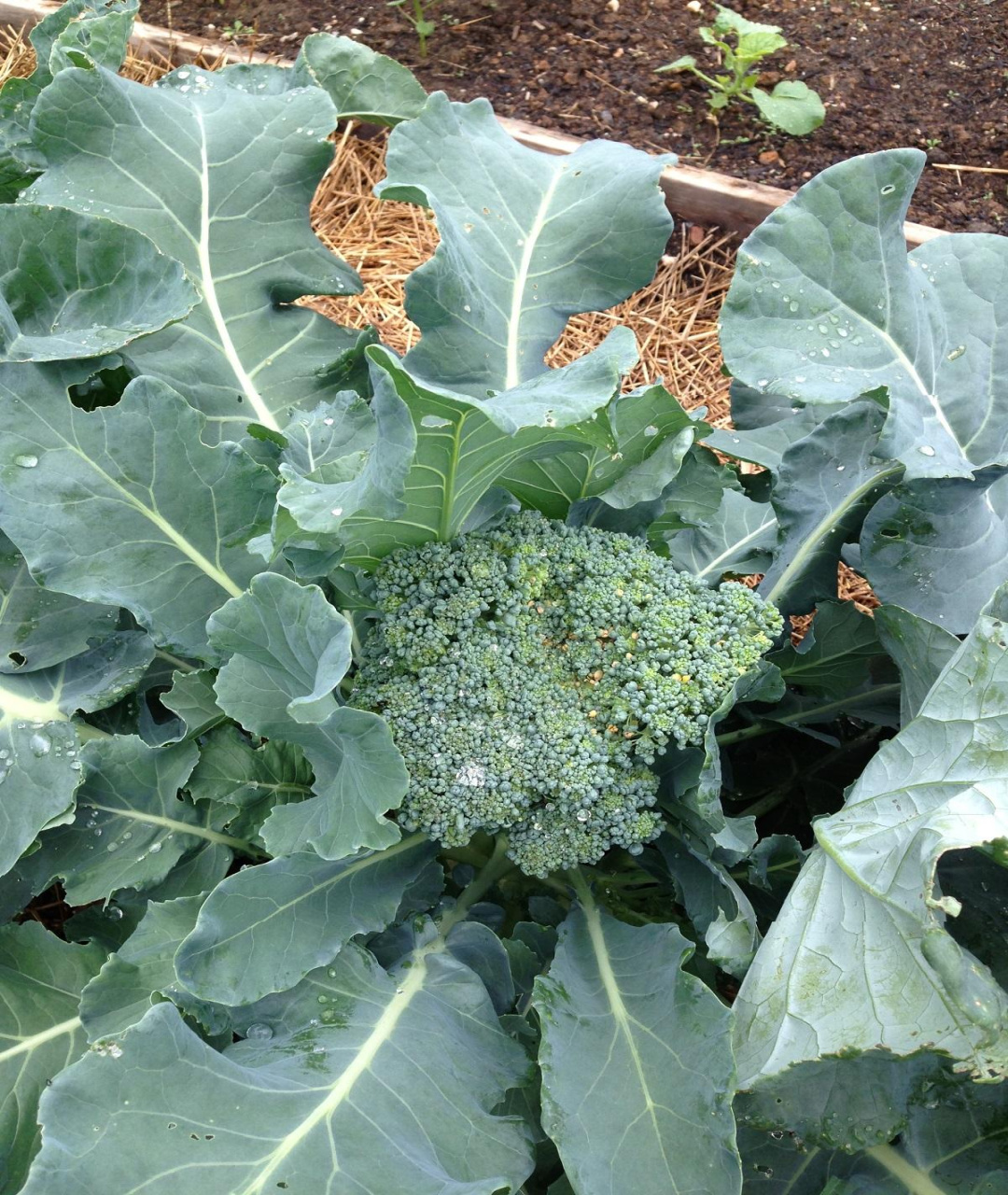
Broccoli Brilliance: Dive into the World of Growing Your Own!
Are you ready to embark on a journey into the wonderful world of growing your own broccoli? If so, you’re in for a treat! Broccoli is not only a delicious and nutritious vegetable, but it is also surprisingly easy to grow in your very own garden.
To begin your broccoli growing adventure, you’ll need to start with the basics. Broccoli is a cool-season crop, meaning it thrives in cooler temperatures. This makes it an excellent choice for planting in the spring or fall. Before you start planting your broccoli seeds or seedlings, be sure to choose a sunny spot in your garden with well-draining soil. Broccoli loves sunlight and rich, fertile soil, so be sure to prepare your garden bed accordingly.
Once you’ve chosen the perfect spot for your broccoli, it’s time to plant your seeds or seedlings. If you’re starting from seeds, you can plant them directly into the ground or start them indoors and transplant them later. If you’re using seedlings, simply plant them in your garden bed at the appropriate spacing, which is typically around 18 inches apart. Be sure to water your broccoli regularly, as consistent moisture is key to a successful harvest.
As your broccoli plants begin to grow, you may notice that they start to develop small, green heads. These are the edible florets that broccoli is known for. To encourage larger heads, be sure to keep your plants well-watered and fertilized. You can also protect your broccoli from pests by using row covers or applying organic pest control methods.
Harvesting your broccoli is an exciting moment in your growing journey. When the heads are firm and tight, it’s time to cut them from the plant. Be sure to use a sharp knife to cut the heads from the stem, leaving a few inches of stem attached. This will encourage the plant to produce side shoots, giving you a continuous harvest of delicious broccoli throughout the season.
Once you’ve harvested your broccoli, it’s time to enjoy the fruits of your labor. Broccoli can be enjoyed in a variety of ways, from steaming or roasting to adding it to soups and stir-fries. Its versatility makes it a favorite among home gardeners and chefs alike.
Growing your own broccoli is not only a rewarding experience, but it also allows you to enjoy the freshest, most flavorful broccoli possible. By following these tips and tricks for a bountiful harvest, you’ll be well on your way to becoming a broccoli growing expert in no time. So why wait? Dive into the world of growing your own broccoli today and enjoy the endless benefits of this versatile and nutritious vegetable.
Sprout Success: Learn How to Cultivate Delicious Broccoli!
Are you eager to try your hand at growing your own broccoli? Look no further! In this beginner’s guide, we will provide you with all the tips and tricks you need to ensure a bountiful harvest of delicious, nutritious broccoli.
Broccoli is a cool-season vegetable that thrives in temperatures between 60-70 degrees Fahrenheit. It is best to plant broccoli in the early spring or late summer to avoid extreme heat or cold. Choose a sunny spot in your garden with well-draining soil to plant your broccoli seeds or seedlings.
When planting broccoli seeds, make sure to space them about 18 inches apart to give them room to grow. If you are using seedlings, transplant them into the ground at the same distance. Keep the soil consistently moist, but be careful not to overwater as broccoli does not like soggy conditions.
One of the most important factors in successfully growing broccoli is providing it with the right nutrients. Broccoli is a heavy feeder, so it is essential to fertilize regularly with a balanced fertilizer high in nitrogen. You can also add organic matter such as compost to the soil to improve its structure and fertility.
To ensure a bountiful harvest, it is crucial to protect your broccoli plants from pests and diseases. Broccoli is susceptible to aphids, caterpillars, and cabbage worms, so be vigilant in checking your plants regularly. Consider using organic pest control methods such as neem oil or insecticidal soap to keep these pests at bay.
In addition to pests, broccoli can also be affected by diseases such as clubroot and downy mildew. To prevent these diseases, make sure to practice crop rotation and avoid planting broccoli in the same spot year after year. Proper spacing between plants can also help improve air circulation and reduce the risk of fungal diseases.
As your broccoli plants grow, it is essential to provide them with adequate support. Broccoli heads can become quite heavy, so using stakes or cages to prop up the plants can prevent them from bending or breaking. Be sure to tie the plants gently to avoid damaging the stems.
Harvesting broccoli at the right time is crucial to ensure that it is at its peak flavor and texture. Broccoli heads are ready to be harvested when they are firm and compact, with tight florets. Use a sharp knife to cut the main head just above the leaves, leaving the plant intact so that side shoots can continue to grow.
After harvesting the main head, your broccoli plants will often produce smaller side shoots that can be harvested later on. These secondary heads are just as delicious as the main head and can extend your harvest throughout the season.
Once you have harvested your broccoli, it is best to store it in the refrigerator to maintain its freshness. Broccoli can be stored in a plastic bag in the crisper drawer for up to a week. You can also blanch and freeze broccoli for longer storage, allowing you to enjoy your harvest well into the winter months.
Growing your own broccoli can be a rewarding experience that allows you to enjoy the freshest, most flavorful produce right from your garden. By following these tips and tricks, you can cultivate delicious broccoli and enjoy a bountiful harvest year after year. So roll up your sleeves, dig in the dirt, and watch your broccoli sprout success!