Mystical Charm: Discovering Solomon’s Seal Plant
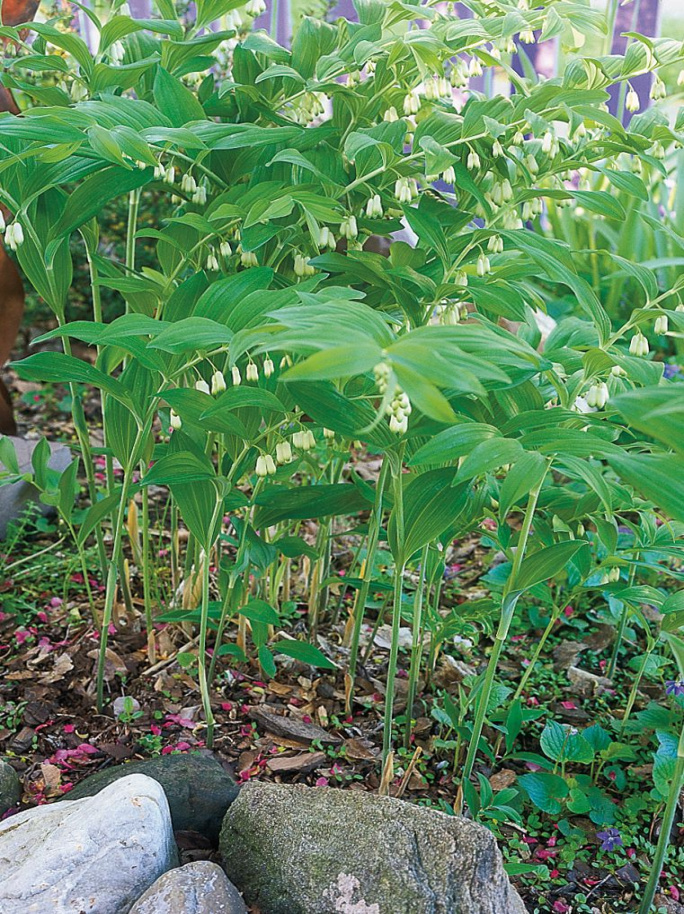
The Solomon’s Seal plant, with its delicate hanging bell-shaped flowers and graceful arching stems, has long captivated gardeners and nature enthusiasts alike with its mystical charm. This enchanting plant, also known by its scientific name Polygonatum, is a true hidden gem in the world of botanical wonders.
One of the most striking features of the Solomon’s Seal plant is its unique foliage. The leaves are a vibrant shade of green and are arranged in a distinctive ladder-like pattern along the stem, giving the plant a very architectural and elegant appearance. When the plant is in full bloom, small white or pale pink flowers dangle from the stems like delicate jewels, adding to its ethereal beauty.
But the beauty of the Solomon’s Seal plant goes beyond its physical appearance. In folklore and mythology, this plant has long been associated with magic and mysticism. In medieval times, it was believed that the plant had the power to protect against evil spirits and bring good luck to those who carried it. The plant’s name itself is said to be derived from the legend of King Solomon, who was said to have used the plant’s markings to decipher hidden messages.
The symbolism of the Solomon’s Seal plant extends beyond ancient legends and myths. In the language of flowers, the plant is said to symbolize protection, balance, and harmony. Its graceful form and gentle demeanor have made it a popular choice for wedding bouquets and floral arrangements, where it is often used to convey messages of love and peace.
But perhaps the most enchanting aspect of the Solomon’s Seal plant is its hidden secrets. The plant is known for its medicinal properties, with the roots and rhizomes containing compounds that are believed to have anti-inflammatory and healing effects. In traditional Chinese medicine, the plant has been used for centuries to treat a variety of ailments, from respiratory issues to digestive problems.
In addition to its medicinal uses, the Solomon’s Seal plant also plays an important role in the ecosystem. The plant provides food and habitat for a variety of insects and birds, including bees, butterflies, and hummingbirds. Its berries are a favorite snack for many wildlife species, making it a vital part of the food chain in forest ecosystems.
Growing and caring for the Solomon’s Seal plant is relatively easy, making it a popular choice for gardeners looking to add a touch of enchantment to their outdoor spaces. The plant thrives in shady, moist areas with well-drained soil, making it a perfect addition to woodland gardens or shady borders. With a little bit of care and attention, the Solomon’s Seal plant will reward you with its graceful beauty year after year.
In conclusion, the Solomon’s Seal plant is truly a hidden gem in the world of botanical wonders. Its mystical charm, graceful beauty, and hidden secrets make it a plant worth discovering and exploring. Whether you’re a seasoned gardener or a nature enthusiast, the Solomon’s Seal plant is sure to captivate your imagination and inspire awe and wonder in the natural world.
Nature’s Hidden Gem: Unveiling the Beauty Within
In the depths of the forest, hidden among the lush greenery, lies a plant of unparalleled beauty and mystery – the Solomon’s Seal plant. This enchanting botanical wonder has captured the hearts of nature enthusiasts and gardeners alike with its delicate charm and ethereal presence.
The Solomon’s Seal plant, known scientifically as Polygonatum, belongs to the Asparagaceae family and is native to North America, Europe, and Asia. Its distinctive features include arching stems adorned with pairs of oval-shaped leaves, dangling white bell-shaped flowers, and dark blue berries that dangle like precious jewels.
One of the most captivating aspects of the Solomon’s Seal plant is its enigmatic beauty, which seems to evoke a sense of ancient wisdom and mystique. Legend has it that the plant was named after King Solomon, a wise and legendary figure in biblical lore, who used the plant’s intricate pattern of markings on its rhizomes to create a magical seal of protection.
The intricate markings on the rhizomes of the Solomon’s Seal plant are indeed a sight to behold. Resembling a series of interconnected knots or seals, these markings have been a source of fascination for botanists and herbalists for centuries. Some believe that the patterns hold a hidden message or symbolize the interconnectedness of all living beings.
But beyond its mystical allure, the Solomon’s Seal plant also offers a wealth of practical benefits. In traditional medicine, various parts of the plant, including the rhizomes and leaves, have been used to treat a wide range of ailments, from digestive issues to joint pain. Modern research has also shown that the plant contains compounds with anti-inflammatory and antioxidant properties, making it a valuable ally in promoting overall health and well-being.
In addition to its medicinal properties, the Solomon’s Seal plant is also highly prized for its ornamental value. Its graceful arching stems and delicate flowers make it a popular choice for woodland gardens, where it can thrive in dappled shade and moist, well-drained soil. Whether planted as a solitary specimen or massed in drifts, the plant adds a touch of elegance and charm to any landscape.
Another fascinating aspect of the Solomon’s Seal plant is its role in folklore and mythology. In various cultures around the world, the plant has been associated with themes of protection, healing, and magic. Some believe that hanging a sprig of Solomon’s Seal above the doorway can ward off evil spirits, while others use the plant in rituals to attract prosperity and good fortune.
But perhaps the true magic of the Solomon’s Seal plant lies in its ability to connect us with the natural world and remind us of the beauty and wonder that surrounds us. As we pause to admire its delicate flowers and intricate patterns, we are transported to a realm of enchantment and mystery, where the boundaries between the seen and unseen blur and the spirit of the earth whispers its secrets to those who listen.
So the next time you find yourself wandering through a forest or garden, take a moment to seek out the hidden gem that is the Solomon’s Seal plant. Let its beauty and mystique captivate your senses and inspire you to embrace the enchantment of the natural world.