The Majestic Babul Tree: A Testament of Endurance
In the vast landscape of nature, the Babul tree stands tall and proud, a symbol of strength and resilience. Its majestic presence exudes a sense of endurance, weathering the storms of time with grace and fortitude. The Babul tree, also known as Acacia nilotica, is a species native to Africa and the Indian subcontinent. It is revered for its ability to thrive in harsh environments, symbolizing the power of resilience in the face of adversity.
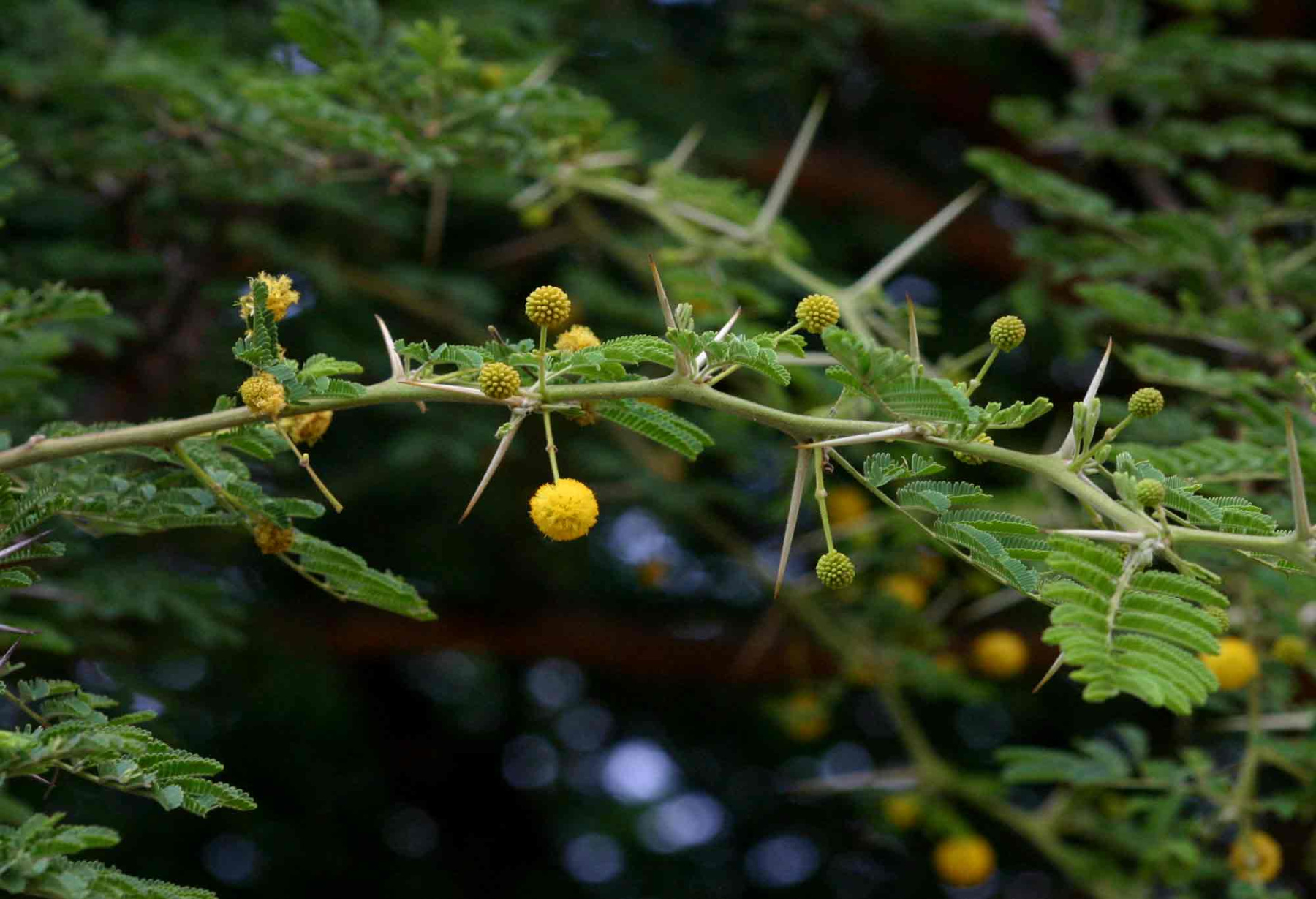
One of the most striking features of the Babul tree is its thorny branches, which serve as a natural defense mechanism against grazing animals and predators. Despite its formidable appearance, the Babul tree also provides shelter and sustenance to a wide variety of wildlife, including birds, insects, and small mammals. This duality of protection and nurturing encapsulates the essence of strength and resilience embodied by the Babul tree.
The Babul tree’s deep roots anchor it firmly to the earth, enabling it to withstand droughts, floods, and other environmental challenges. Its ability to adapt to changing conditions reflects a remarkable resilience that has been honed through centuries of evolution. The Babul tree’s longevity is a testament to its endurance, with some specimens living for over a hundred years, bearing witness to the passage of time and the cycles of nature.
In many cultures, the Babul tree is revered as a sacred symbol of strength and resilience. In Hindu mythology, the Babul tree is associated with the goddess Saraswati, the embodiment of knowledge and wisdom. Its presence in religious ceremonies and rituals underscores its importance as a source of inspiration and spiritual guidance. The Babul tree’s resilience in the face of adversity serves as a reminder of the power of faith and perseverance in overcoming life’s challenges.
The Babul tree’s numerous medicinal properties have also made it a valuable resource in traditional medicine. Its bark, leaves, and seeds are used to treat a variety of ailments, including respiratory infections, digestive disorders, and skin conditions. The Babul tree’s healing properties further underscore its role as a symbol of strength and resilience, offering hope and comfort to those in need.
In literature and art, the Babul tree has been depicted as a symbol of endurance and perseverance. Its towering silhouette against the sky evokes a sense of majesty and grandeur, inspiring awe and admiration in those who behold it. Poets and writers have lauded the Babul tree for its ability to withstand the trials of time, weaving its presence into tales of courage and resilience.
As we contemplate the majesty of the Babul tree, we are reminded of our own capacity for strength and resilience in the face of life’s challenges. Like the Babul tree, we too can weather the storms of adversity with grace and fortitude, drawing inspiration from nature’s enduring beauty and power. May the Babul tree stand as a testament to the enduring spirit of strength and resilience that lies within each of us, a beacon of hope and inspiration in a world that is ever-changing and uncertain.
Embracing the Babul Tree: A Source of Inspiration and Hope
In the vast landscape of nature, there stands a tree that embodies the very essence of strength and resilience – the Babul Tree. This majestic tree, with its sprawling branches and thorny bark, has long been revered for its ability to thrive in the harshest of conditions, serving as a symbol of hope and inspiration for all who encounter it.
The Babul Tree, also known as Acacia nilotica, is native to the Indian subcontinent and is revered for its many medicinal and spiritual properties. Its sturdy trunk and deep roots make it a symbol of endurance, standing tall and proud even in the face of adversity. The tree’s ability to adapt to varying climatic conditions and thrive in even the most arid of environments is a testament to its resilience and tenacity.
But the Babul Tree is not just admired for its physical strength – it also holds a special place in the hearts of many for its spiritual significance. In Hindu mythology, the Babul Tree is believed to be the abode of Goddess Saraswati, the deity of knowledge and wisdom. It is said that sitting under the shade of a Babul Tree can bring clarity of thought and inspiration, making it a popular spot for seekers of divine guidance.
Embracing the Babul Tree is more than just admiring its physical beauty – it is about connecting with the deeper meaning it holds. The tree’s thorny branches serve as a reminder that life is not always smooth sailing, but with perseverance and resilience, one can overcome any obstacle that comes their way. Its lush green leaves provide shelter and sustenance to a myriad of creatures, symbolizing the importance of giving back to the world around us.
For centuries, the Babul Tree has been a source of inspiration for poets, artists, and philosophers alike. Its timeless beauty and unwavering strength have been the subject of many works of art, each one capturing the essence of this magnificent tree in its own unique way. The Babul Tree has inspired countless tales and legends, each one highlighting the tree’s ability to weather the storms of life and emerge stronger than ever before.
But perhaps the most important lesson we can learn from the Babul Tree is that of resilience. In a world that is constantly changing and evolving, it is important to remember that like the Babul Tree, we too have the strength to overcome any challenge that comes our way. By embracing the spirit of the Babul Tree, we can find hope and inspiration in the midst of chaos, knowing that we have the power to grow and flourish, no matter what life throws at us.
So next time you find yourself in need of a little inspiration, take a moment to sit under the shade of a Babul Tree and reflect on its timeless wisdom. Let its strength and resilience remind you that no matter how tough things may seem, there is always a way to rise above it and emerge stronger than ever before. Embrace the Babul Tree and let it be a source of inspiration and hope in your life.