The Divisive Cornus Controversa: Love it or Hate it?
Ah, the Cornus Controversa. A plant that truly lives up to its name, causing quite the stir among garden enthusiasts worldwide. Some swear by its beauty and unique characteristics, while others can’t seem to overlook its flaws. So what exactly is it about this plant that makes it so divisive? Let’s dive in and unravel the debate over Cornus Controversa.
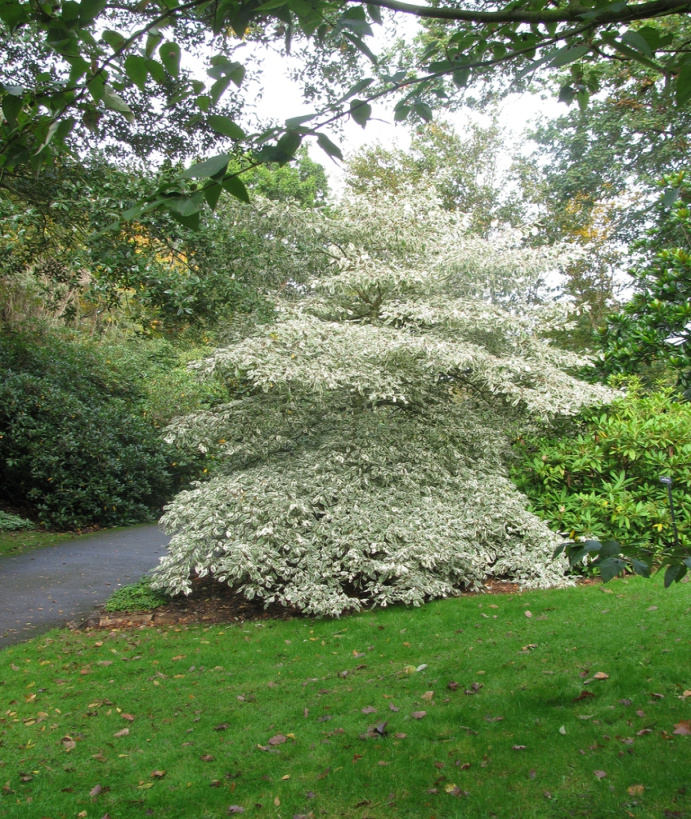
First and foremost, let’s talk about its appearance. The Cornus Controversa, also known as the Wedding Cake Tree or the Pagoda Dogwood, is a stunning ornamental tree that boasts layers of horizontal branches, giving it a distinct tiered look that resembles a wedding cake. Its leaves are a vibrant green in the spring and summer, turning into a beautiful red and purple hue in the fall. The tree also produces clusters of white flowers in the spring, adding to its charm.
For those who love the Cornus Controversa, its unique appearance is what draws them in. They appreciate the tree’s architectural structure and the visual interest it brings to their garden. The tiered branches create a sense of drama and elegance, making it a focal point in any landscape. Its seasonal changes in color add to its appeal, providing year-round beauty that never gets old.
On the other hand, for those who hate the Cornus Controversa, its appearance can be a bit too much. Some find the tiered branches to be overwhelming and unnatural, giving the tree a somewhat manicured and artificial look. They argue that the tree’s shape can clash with the surrounding plants and disrupt the overall harmony of the garden. The bold color changes in the fall may also be seen as too loud and garish for some tastes.
But the debate over the Cornus Controversa goes beyond just its appearance. Another point of contention is its maintenance requirements. While some gardeners find the tree to be relatively easy to care for, others struggle with its finicky nature. The Cornus Controversa is known to be sensitive to its environment, requiring specific soil conditions and proper pruning techniques to thrive. Without the right care, the tree can become susceptible to diseases and pests, leading to a decline in health and appearance.
For those who love the Cornus Controversa, the extra effort required for maintenance is a small price to pay for its beauty. They enjoy the challenge of caring for a unique and special tree, and take pride in watching it flourish under their watchful eye. They see the tree as a living work of art, deserving of the time and attention it requires to reach its full potential.
On the flip side, for those who hate the Cornus Controversa, the maintenance can be a deal-breaker. They may not have the time or patience to cater to the tree’s specific needs, leading to frustration and disappointment when it fails to thrive. They prefer low-maintenance plants that can withstand neglect and still look beautiful, rather than a high-maintenance tree that demands constant care and attention.
In the end, the debate over the Cornus Controversa comes down to personal preference. Whether you love it or hate it, there’s no denying that this plant has a way of sparking strong opinions among gardeners. Its unique appearance and maintenance requirements make it a controversial choice for many, but for those who appreciate its beauty and are willing to put in the effort, the Cornus Controversa can be a truly rewarding addition to any garden.
Unraveling the Mystery of Cornus Controversa’s Appeal
Ah, the Cornus Controversa – a plant that has stirred up quite the debate among gardening enthusiasts. Some people love it for its unique and striking appearance, while others can’t seem to understand its appeal. But what is it about this plant that makes it so controversial? Let’s take a closer look and try to unravel the mystery.
First and foremost, the Cornus Controversa is known for its distinctive tiered branching structure, which gives it a layered and elegant appearance. This architectural quality is what draws many gardeners to this plant, as it adds a sense of drama and sophistication to any garden or landscape. The way the branches cascade down in layers creates a sense of movement and flow, making it a focal point in any setting.
But it’s not just the branching structure that makes the Cornus Controversa appealing. The plant also boasts beautiful foliage, with leaves that turn a vibrant red in the fall, adding a pop of color to the garden. In the spring, it produces clusters of delicate white flowers that attract pollinators and add a touch of elegance to the landscape. And let’s not forget about the berries that appear in the summer, providing food for birds and adding visual interest to the plant.
Despite all of these appealing qualities, some people still can’t seem to warm up to the Cornus Controversa. One common criticism is that the plant can be invasive and spread quickly if not properly maintained. Its aggressive growth habits can make it a challenge to control, especially in smaller gardens where space is limited. Additionally, some gardeners find the tiered branching structure to be too busy or cluttered, preferring a more minimalist and clean aesthetic in their landscapes.
But for those who appreciate the unique beauty of the Cornus Controversa, these criticisms are easily overlooked. The plant’s ability to add height, texture, and visual interest to a garden is unmatched, making it a popular choice among landscape designers and garden enthusiasts. Its striking appearance can elevate any garden design, creating a sense of drama and intrigue that is hard to achieve with other plants.
Another factor that adds to the appeal of the Cornus Controversa is its versatility. This plant can thrive in a variety of conditions, from full sun to partial shade, making it a suitable choice for a wide range of landscapes. It can be used as a focal point in a garden, planted in groups for a dramatic effect, or integrated into a mixed border for a more natural look. Its adaptability and resilience make it a valuable addition to any garden.
In conclusion, the debate over the Cornus Controversa ultimately comes down to personal preference and gardening style. While some may find its unique appearance and versatile nature to be appealing, others may struggle with its aggressive growth habits and busy branching structure. But regardless of where you stand on the issue, one thing is for sure – the Cornus Controversa is a plant that elicits strong opinions and sparks lively discussions among gardeners. And isn’t that what gardening is all about?