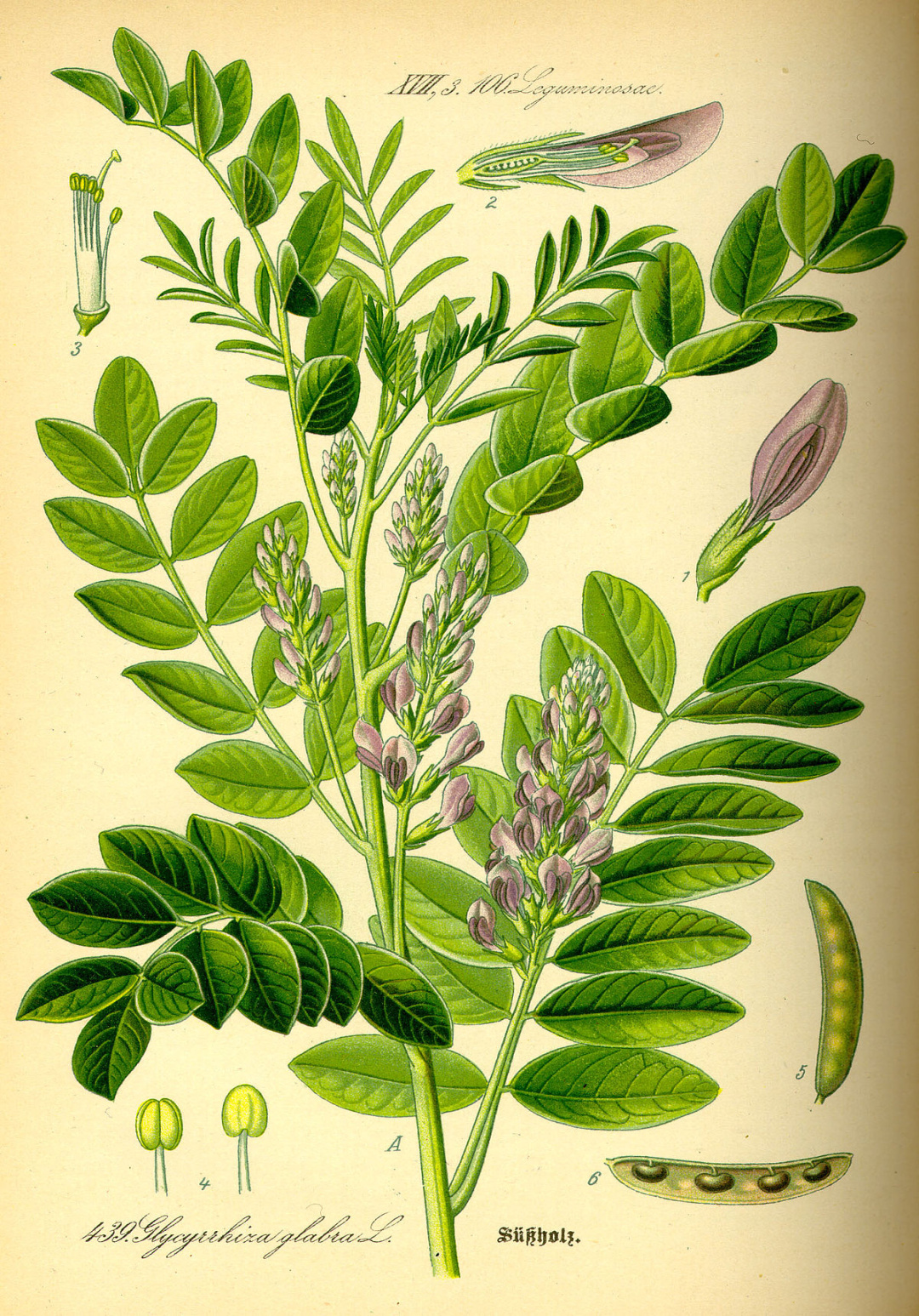
Discover the Magical Benefits of Glycyrrhiza Plant
Welcome to the sweet and medicinal world of the Glycyrrhiza plant! This remarkable herb, also known as licorice, has been prized for its unique flavor and healing properties for centuries. Let’s delve into the magical benefits of this plant and explore all the wonders it has to offer.
Glycyrrhiza is a perennial herb that belongs to the legume family, native to Europe and Asia. It is widely cultivated for its roots, which contain a compound called glycyrrhizin that gives licorice its distinct sweetness. This compound is not only responsible for the flavor of licorice but also for its numerous health benefits.
One of the most well-known benefits of Glycyrrhiza is its ability to soothe and heal the digestive system. Licorice has been used for centuries as a remedy for indigestion, heartburn, and stomach ulcers. It helps to reduce inflammation in the gastrointestinal tract and can even promote the healing of stomach lining.
In addition to its digestive benefits, Glycyrrhiza also has powerful anti-inflammatory properties. It can help to reduce inflammation throughout the body, making it a valuable remedy for conditions such as arthritis, asthma, and eczema. By reducing inflammation, licorice can help to alleviate pain and improve overall health and well-being.
Glycyrrhiza is also known for its immune-boosting properties. It contains antioxidants and other compounds that help to strengthen the immune system and protect the body against illness and infection. Regular consumption of licorice can help to keep you healthy and resilient, especially during cold and flu season.
But the benefits of Glycyrrhiza don’t stop there! This magical plant also has adaptogenic properties, meaning it can help the body to adapt to stress and maintain balance. Licorice can help to regulate cortisol levels, reduce stress and anxiety, and promote a sense of calm and well-being.
In traditional medicine, Glycyrrhiza has been used to treat a wide range of conditions, from respiratory infections to hormonal imbalances. It is considered a versatile and potent herb that can support overall health and vitality. Whether you are looking to improve your digestion, boost your immunity, or reduce inflammation, licorice has something to offer.
One of the most delightful aspects of Glycyrrhiza is its sweet and decadent flavor. Licorice has a rich, complex taste that is both indulgent and comforting. It can be enjoyed on its own as a treat or used to enhance the flavor of teas, desserts, and other culinary creations. The sweet flavor of licorice can bring a touch of magic to any dish and make eating a truly pleasurable experience.
In conclusion, the Glycyrrhiza plant is a truly magical herb with a wide range of benefits for both the body and the taste buds. From soothing the digestive system to boosting the immune system, licorice has something to offer everyone. So why not indulge in the sweet and medicinal world of Glycyrrhiza and discover all the wonders this remarkable plant has to offer?
Indulge in the Sweetness of Licorice with Glycyrrhiza
The Glycyrrhiza plant, more commonly known as licorice, is a fascinating and versatile herb that has been used for thousands of years for both its sweet flavor and its medicinal properties. This plant is native to the Mediterranean region and parts of Asia, and it has been prized in traditional medicine systems for its ability to soothe the throat, calm the stomach, and provide relief from various ailments.
Licorice root is the most commonly used part of the Glycyrrhiza plant, and it is known for its distinctively sweet taste. In fact, the name licorice comes from the Greek word glycyrrhiza, which means sweet root. This sweetness is due to a compound called glycyrrhizin, which is about 50 times sweeter than sugar. Licorice is often used as a natural sweetener in candies, teas, and other confections, and it adds a unique flavor profile to many dishes.
But licorice is not just a delicious treat – it also has a wide range of medicinal benefits. The Glycyrrhiza plant is rich in antioxidants, which help to protect the body from damage caused by free radicals. It also has anti-inflammatory properties, making it useful for reducing inflammation and soothing sore throats. Licorice is often used in traditional medicine to treat respiratory conditions such as coughs, colds, and bronchitis, as well as digestive issues like indigestion and ulcers.
One of the most well-known medicinal uses of licorice is its ability to support the adrenal glands. These small glands play a crucial role in the body’s stress response, and licorice helps to support their function. This can be particularly helpful for people dealing with chronic stress or fatigue, as licorice can help to boost energy levels and improve overall well-being.
In addition to its sweet flavor and medicinal properties, licorice also has a rich cultural history. It has been used in traditional medicine systems around the world, including Ayurveda, Traditional Chinese Medicine, and Native American herbalism. In many cultures, licorice is considered a sacred plant with spiritual significance, and it is often used in rituals and ceremonies.
There are many ways to enjoy the sweetness of licorice and reap its medicinal benefits. Licorice root can be brewed into a soothing tea, added to homemade candies and desserts, or even chewed on its own as a natural remedy for a scratchy throat. Licorice extract is also available in supplement form, making it easy to incorporate this herb into your daily routine.
Whether you’re looking to satisfy your sweet tooth or support your health and well-being, the Glycyrrhiza plant has you covered. So go ahead, indulge in the sweetness of licorice and explore the sweet and medicinal world of this fascinating herb.