Unveil the Magic of Balloon Flowers
Balloon flowers, also known as Platycodon grandiflorus, are truly magical plants that can bring joy and beauty to any garden. With their unique balloon-like buds that burst open to reveal stunning star-shaped flowers, these plants are sure to captivate anyone who sees them. In this guide, we will explore the beauty of balloon flowers and provide tips on how to grow and care for them.
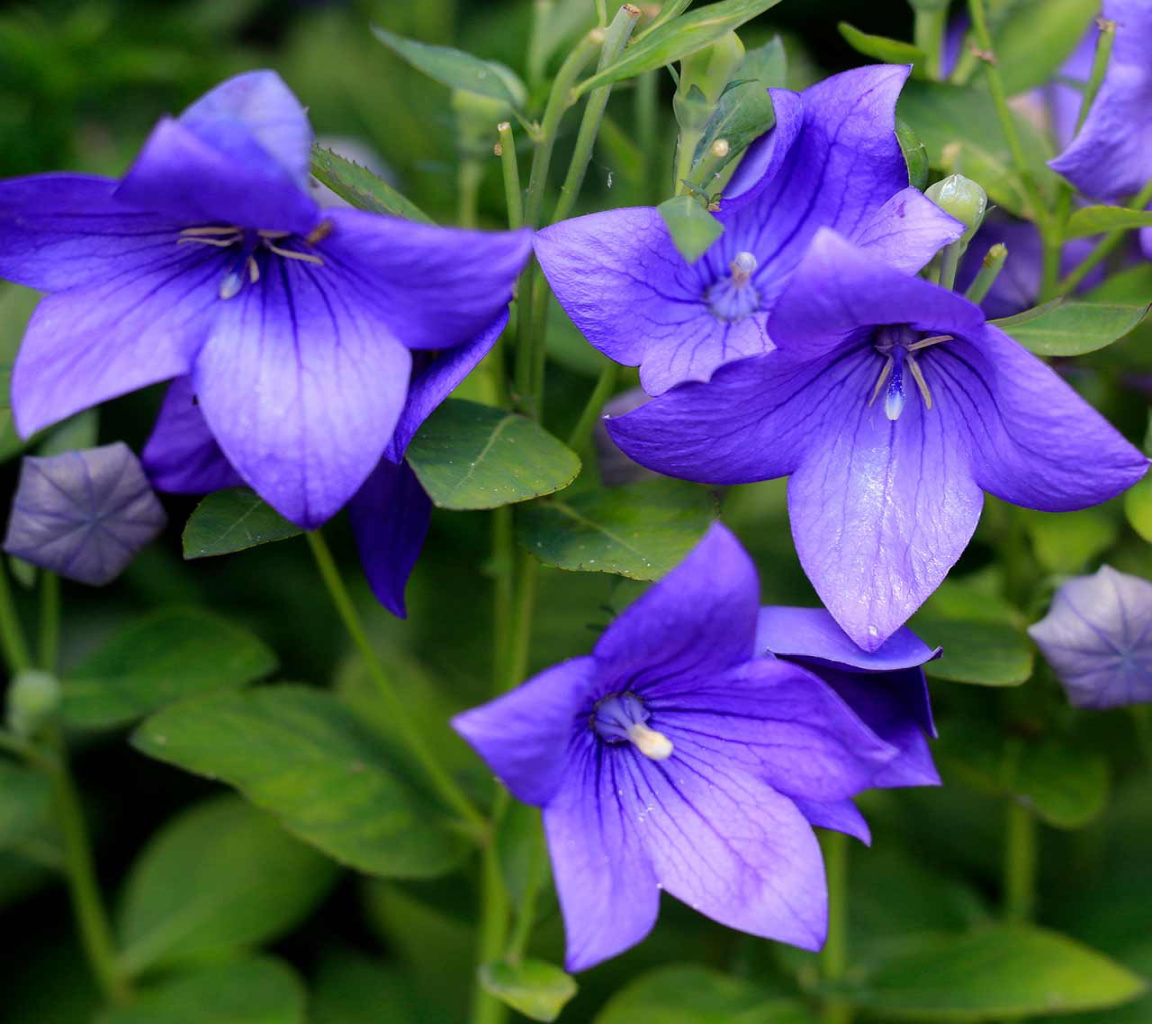
One of the most enchanting features of balloon flowers is their ability to transform from a tight, balloon-shaped bud into a delicate flower. As the buds swell and grow, they create anticipation and excitement, much like waiting for a balloon to pop. When the buds finally open, they reveal beautiful five-petaled flowers in shades of blue, pink, white, or purple. The transformation from bud to bloom is truly a magical experience to witness.
In addition to their captivating appearance, balloon flowers are also easy to grow and care for, making them a great choice for both beginner and experienced gardeners. These hardy perennials thrive in full sun to partial shade and prefer well-drained soil. They are relatively low-maintenance plants, requiring only regular watering and occasional fertilization to keep them healthy and blooming.
When planting balloon flowers, it is important to choose a location with good air circulation to prevent powdery mildew and other fungal diseases. These plants also benefit from a layer of mulch to help retain moisture and suppress weeds. Balloon flowers can be propagated by dividing established plants in the spring or by collecting seeds from mature seed pods in the fall.
To prolong the blooming period of balloon flowers, deadhead spent flowers regularly to encourage new growth. This will also prevent the plant from self-seeding and potentially becoming invasive. In colder climates, balloon flowers can be cut back in the fall to promote healthy growth in the following season.
Balloon flowers are not only beautiful in the garden, but they also make lovely cut flowers for fresh or dried arrangements. Their unique shape and vibrant colors add a whimsical touch to bouquets and floral displays. To dry balloon flowers, simply hang them upside down in a dark, well-ventilated room until fully dried.
In addition to their ornamental value, balloon flowers also have a long history of medicinal use in traditional Asian medicine. The roots of the plant are believed to have anti-inflammatory and immune-boosting properties, making them a popular remedy for coughs, colds, and respiratory ailments. While more research is needed to confirm these health benefits, the medicinal potential of balloon flowers adds another layer of magic to these already enchanting plants.
Overall, balloon flowers are a delightful addition to any garden, bringing beauty, joy, and a touch of magic to the landscape. Whether you are a seasoned gardener or a novice plant enthusiast, growing and caring for these whimsical plants is a rewarding experience that is sure to brighten your day. So why not add a bit of magic to your garden with the enchanting balloon flower?
Cultivating Joy: A Balloon Flower Care Guide
Have you ever laid eyes on the enchanting beauty of Platycodon grandiflorus, also known as the Balloon Flower? If not, you are in for a treat. These delightful flowers, with their balloon-like buds that burst open into star-shaped blooms, are sure to bring joy and whimsy to any garden. In this guide, we will take you through the ins and outs of growing and caring for these lovely plants, so you can experience the magic of Balloon Flowers for yourself.
First things first, let’s talk about where to plant your Balloon Flowers. These plants thrive in full sun to partial shade, so be sure to choose a spot in your garden that receives at least 6 hours of sunlight a day. Balloon Flowers are quite adaptable to different soil types, but they prefer well-draining soil that is rich in organic matter. Make sure to prepare the soil by adding compost or aged manure before planting to give your Balloon Flowers the best start.
When it comes to planting Balloon Flowers, you have a few options. You can either sow seeds directly in the ground in early spring or plant established seedlings. If you choose to plant from seeds, make sure to water them regularly until they germinate. Once the seedlings have sprouted, thin them out to give each plant enough space to grow and thrive.
Now that your Balloon Flowers are in the ground, it’s time to talk about caring for them. These plants are relatively low-maintenance, but there are a few things you can do to ensure they flourish. Water your Balloon Flowers regularly, especially during dry spells, to keep the soil evenly moist. Mulching around the base of the plants can help retain moisture and suppress weeds.
In terms of feeding, Balloon Flowers do not require much fertilizer. A light application of balanced fertilizer in the spring should be sufficient to support healthy growth and flowering. Deadheading spent blooms can also encourage the plants to produce more flowers throughout the growing season.
One of the most charming features of Balloon Flowers is their unique balloon-like buds that pop open into stunning star-shaped blooms. These flowers come in a range of colors, including blue, pink, and white, adding a touch of whimsy to any garden. Be sure to enjoy the show as the buds slowly unfurl into their full glory.
As the growing season comes to an end, you may notice the foliage of your Balloon Flowers starting to yellow and die back. This is perfectly normal, as the plants are preparing to go dormant for the winter. You can cut back the dead foliage and mulch around the base of the plants to protect them from freezing temperatures.
With a little bit of care and attention, you can enjoy the beauty of Platycodon grandiflorus, the Balloon Flower, in your own garden. These delightful plants are sure to bring joy and whimsy to any landscape, with their unique balloon-like buds and star-shaped blooms. So roll up your sleeves, get your hands dirty, and start cultivating joy with Balloon Flowers today.