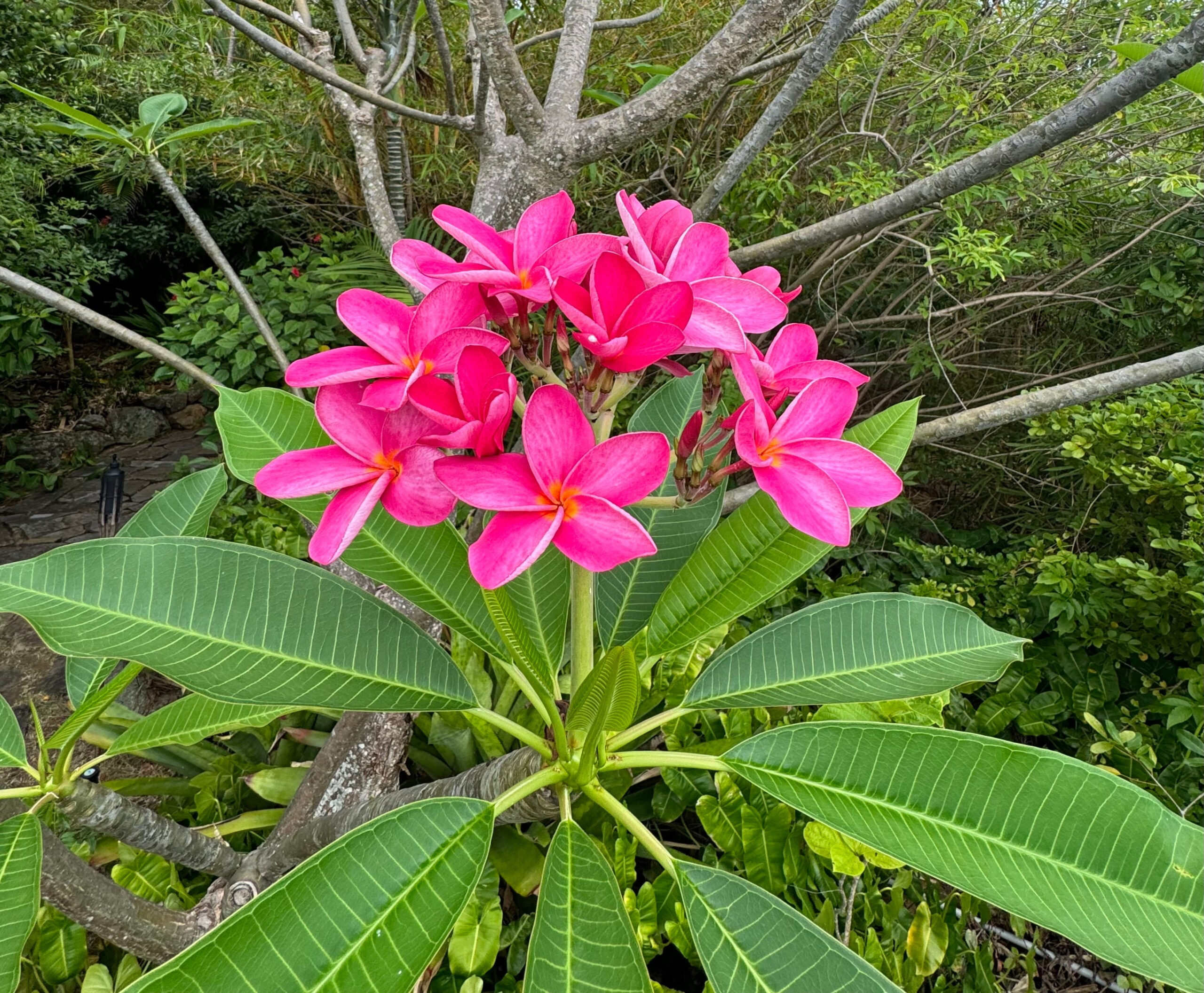
Unleashing the Magic: Growing Your Own Plumeria Tree
When it comes to adding beauty and elegance to your garden, few plants can compare to the enchanting Plumeria tree. Known for its vibrant and fragrant flowers, the Plumeria tree is a stunning addition to any outdoor space. In this guide, we will explore the magic of growing your own Plumeria tree and provide you with all the tips and tricks you need to ensure that it thrives and flourishes.
The first step in growing your own Plumeria tree is selecting the right location. Plumerias require plenty of sunlight to bloom and grow, so be sure to choose a spot in your garden that receives at least six hours of direct sunlight each day. Additionally, Plumerias prefer well-draining soil, so make sure to plant them in a location where water can easily flow away from the roots.
Once you have chosen the perfect spot for your Plumeria tree, it’s time to prepare the soil. Plumerias thrive in soil that is rich in organic matter, so be sure to amend your soil with compost or well-rotted manure before planting. Additionally, adding a slow-release fertilizer to the soil will help provide your Plumeria tree with the nutrients it needs to grow strong and healthy.
When it comes to planting your Plumeria tree, there are a few key things to keep in mind. Plumerias are best planted in the spring, as this allows them to establish their roots before the hot summer months. Make sure to dig a hole that is slightly larger than the root ball of your Plumeria tree and gently loosen the roots before planting. Once planted, water your Plumeria tree deeply to help settle the soil around the roots.
After planting, it’s important to provide your Plumeria tree with regular care and maintenance to ensure that it continues to thrive. Water your Plumeria tree deeply once a week, making sure to soak the soil around the roots. Additionally, fertilize your Plumeria tree every two to three months with a balanced fertilizer to help promote healthy growth and vibrant blooms.
One of the most magical things about Plumeria trees is their ability to produce stunning blooms in a variety of colors and patterns. From soft pink and white to vibrant yellow and red, Plumeria flowers come in a wide range of hues that are sure to brighten up any garden. To encourage your Plumeria tree to bloom, be sure to deadhead spent flowers regularly and prune any dead or damaged branches.
In addition to their beautiful blooms, Plumeria trees are also known for their sweet and tropical fragrance. The scent of a blooming Plumeria tree can transport you to a far-off paradise, making it the perfect addition to any outdoor space. To fully enjoy the fragrance of your Plumeria tree, consider planting it near a patio or seating area where you can relax and take in its enchanting aroma.
In conclusion, growing your own Plumeria tree is a magical experience that will bring beauty and elegance to your garden. By selecting the right location, preparing the soil, and providing your Plumeria tree with regular care and maintenance, you can ensure that it thrives and flourishes for years to come. Whether you are a seasoned gardener or a novice plant enthusiast, growing a Plumeria tree is a rewarding and enchanting experience that is sure to bring joy and beauty to your outdoor space.
Nurturing Nature: Tips for Caring for Your Plumeria Plant
Plumeria plants, also known as frangipani, are beloved for their stunning, fragrant flowers and tropical beauty. Whether you are a seasoned gardener or a beginner, caring for your Plumeria plant is essential to ensure it thrives and blooms to its full potential. In this guide, we will explore some tips and tricks to help you nurture your Plumeria plant and enjoy its beauty year-round.
First and foremost, it is crucial to provide your Plumeria plant with the right growing conditions. Plumerias thrive in full sunlight, so be sure to place your plant in a location where it will receive at least six hours of direct sunlight per day. Additionally, Plumerias prefer well-draining soil, so be sure to plant them in a pot with plenty of drainage holes or in a well-draining soil mix if planting in the ground.
When it comes to watering your Plumeria plant, less is more. Plumerias are drought-tolerant plants, so it is important not to overwater them. Allow the soil to dry out between waterings, and be sure not to let the plant sit in waterlogged soil, as this can lead to root rot. During the growing season, you can water your Plumeria plant once a week, but during the dormant season, you can reduce watering to once every two to three weeks.
Fertilizing your Plumeria plant is also essential for promoting healthy growth and vibrant blooms. During the growing season, you can fertilize your Plumeria plant with a balanced, water-soluble fertilizer every two weeks. Be sure to dilute the fertilizer to half the recommended strength to avoid burning the plant’s roots. Additionally, you can supplement with a high-phosphorus fertilizer to promote flower production.
Pruning your Plumeria plant is another important aspect of caring for it. Pruning not only helps to shape the plant and promote healthy growth, but it can also encourage more blooms. You can prune your Plumeria plant in the late winter or early spring before new growth emerges. Be sure to use sharp, clean pruning shears to make clean cuts and remove any dead or damaged branches.
Protecting your Plumeria plant from pests and diseases is vital to ensuring its health and vitality. Common pests that can affect Plumeria plants include aphids, mealybugs, and spider mites. To prevent pest infestations, regularly inspect your plant for signs of pests and treat them promptly with insecticidal soap or neem oil. Additionally, be sure to keep your plant clean and free of debris to prevent fungal diseases.
In colder climates, it is important to protect your Plumeria plant from frost and freezing temperatures. Plumerias are sensitive to cold temperatures and can be damaged or killed by frost. If you live in a colder climate, consider bringing your Plumeria plant indoors during the winter months or covering it with a frost cloth or blanket to protect it from freezing temperatures.
Overall, caring for your Plumeria plant requires some time and effort, but the rewards are well worth it. With the right growing conditions, proper watering and fertilizing, regular pruning, pest prevention, and frost protection, your Plumeria plant will thrive and reward you with its stunning flowers and tropical beauty. By following these tips and tricks, you can enjoy the beauty of your Plumeria plant for years to come.