The Enigmatic Allure of Datura
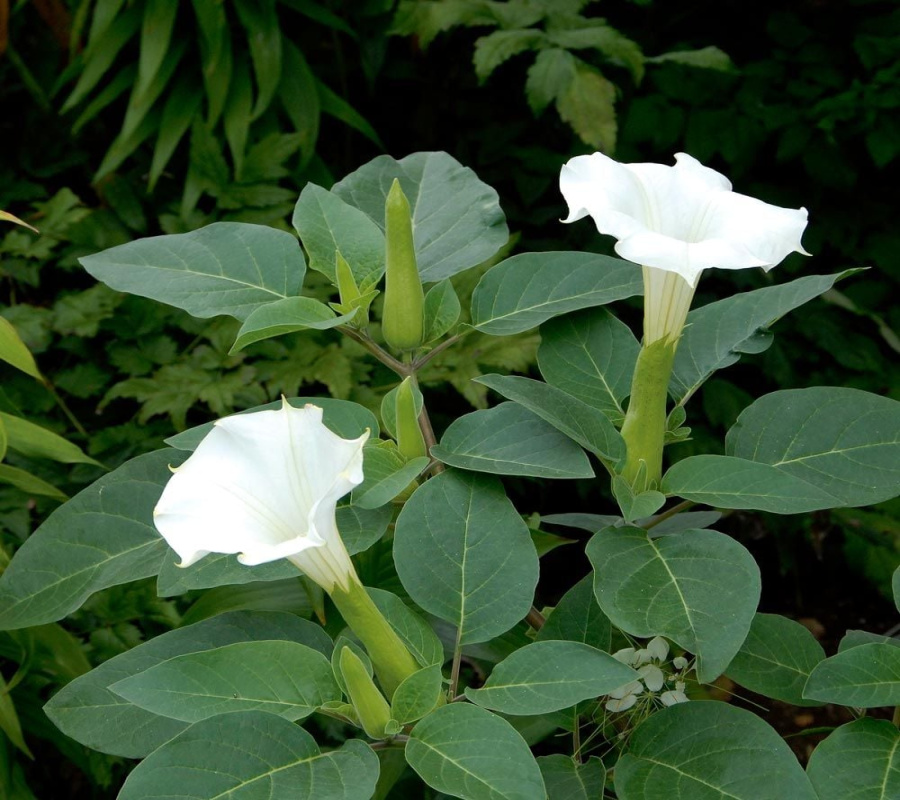
The Datura plant, also known as Devil’s Trumpet or Moonflower, is a fascinating and mysterious flower that has captured the imagination of many for centuries. Despite its striking beauty, this plant holds a dark secret – it is highly toxic and can be deadly if ingested.
Datura is a genus of flowering plants that belong to the nightshade family, Solanaceae. There are several species of Datura, with some of the most common ones being Datura stramonium, Datura innoxia, and Datura metel. These plants are native to the Americas, but they have been introduced to other parts of the world and can now be found in various regions.
One of the most alluring features of the Datura plant is its large, trumpet-shaped flowers. These flowers can range in color from white to pink to purple, and they often bloom at night, emitting a sweet fragrance that attracts moths and other nocturnal pollinators. The flowers of the Datura plant are not only beautiful to look at, but they also have a hypnotic quality that can captivate anyone who gazes upon them.
Despite its beauty, the Datura plant has a dark side. All parts of the plant, including the flowers, leaves, seeds, and stems, contain dangerous levels of tropane alkaloids, such as atropine, scopolamine, and hyoscyamine. These chemicals are potent hallucinogens and can cause a wide range of symptoms when ingested, including delirium, hallucinations, paralysis, and even death.
In many cultures, the Datura plant has been used for its psychoactive properties in shamanic rituals and as a tool for divination. However, the risks associated with consuming Datura are high, and it is not recommended to use the plant for recreational purposes.
The Datura plant has also been associated with various myths and legends throughout history. In Hindu mythology, the Datura plant is believed to be sacred to the god Shiva and is used in religious ceremonies. In some Native American traditions, the plant is seen as a symbol of transformation and rebirth.
Despite its dangers, the Datura plant continues to intrigue and fascinate people around the world. Its deadly beauty serves as a reminder of the delicate balance between life and death, beauty and danger. The allure of the Datura plant lies in its enigmatic nature – a flower that can both enchant and harm, a symbol of both life and death.
In conclusion, the Datura plant is a truly mysterious and captivating flower that has captured the imagination of many throughout history. Its deadly beauty serves as a stark reminder of the dangers that can lurk beneath the surface of something so alluring. Whether admired from a safe distance or used in a sacred ritual, the Datura plant will continue to fascinate and intrigue those who dare to explore its dark secrets.
Unveiling the Dark Secrets of a Deadly Flower
The Deadly Beauty of the Datura Plant: A Closer Look at a Notorious Flower
In the world of flowers, there are some that captivate us with their beauty, while others intrigue us with their mystery. The Datura plant falls into the latter category, with its alluring yet deadly nature. Often referred to as the devil’s trumpet or angel’s trumpet, this plant is known for its stunning trumpet-shaped flowers and potent hallucinogenic properties. But beneath its enchanting facade lies a dark secret that makes it one of the most notorious flowers in the botanical world.
The Datura plant belongs to the Solanaceae family, which includes other infamous members such as deadly nightshade and belladonna. Despite its toxic nature, the Datura plant has been used for centuries in various cultures for its medicinal and ceremonial purposes. However, its use comes with a serious warning – one wrong move could lead to fatal consequences.
One of the most striking features of the Datura plant is its trumpet-shaped flowers, which can range in color from white and yellow to purple and pink. These flowers bloom at night, releasing a sweet, intoxicating fragrance that lures in unsuspecting victims. The plant’s allure is undeniable, but its dark side soon reveals itself upon closer inspection.
The Datura plant contains potent alkaloids such as scopolamine, hyoscyamine, and atropine, which are known for their hallucinogenic and toxic properties. Ingesting any part of the plant, including its flowers, leaves, seeds, or roots, can result in a range of symptoms, including delirium, hallucinations, paralysis, and even death. Despite these dangers, the allure of the Datura plant continues to draw in curious individuals seeking a brush with the forbidden.
The use of the Datura plant in various cultures dates back centuries, with rituals and ceremonies often involving the plant’s hallucinogenic properties. In some traditions, the plant is believed to have spiritual significance, acting as a gateway to the spirit world. However, the line between enlightenment and danger is a thin one when dealing with the Datura plant.
In modern times, the Datura plant has garnered a reputation for its use in recreational drugs and as a tool for inducing altered states of consciousness. However, the risks associated with its use far outweigh any potential benefits, with reports of poisoning and fatalities linked to Datura consumption.
Despite its deadly reputation, the Datura plant continues to fascinate botanists, horticulturalists, and thrill-seekers alike. Its unique beauty and dark secrets make it a subject of intrigue and caution, reminding us of the delicate balance between allure and danger in the natural world.
In conclusion, the Datura plant stands as a testament to the deadly beauty that exists in the botanical world. Its stunning flowers and potent properties serve as a warning to those who dare to venture into its realm. While the allure of the Datura plant may be tempting, its dark secrets should never be underestimated. The next time you encounter this notorious flower, remember to admire it from a safe distance, lest you fall victim to its deadly charms.