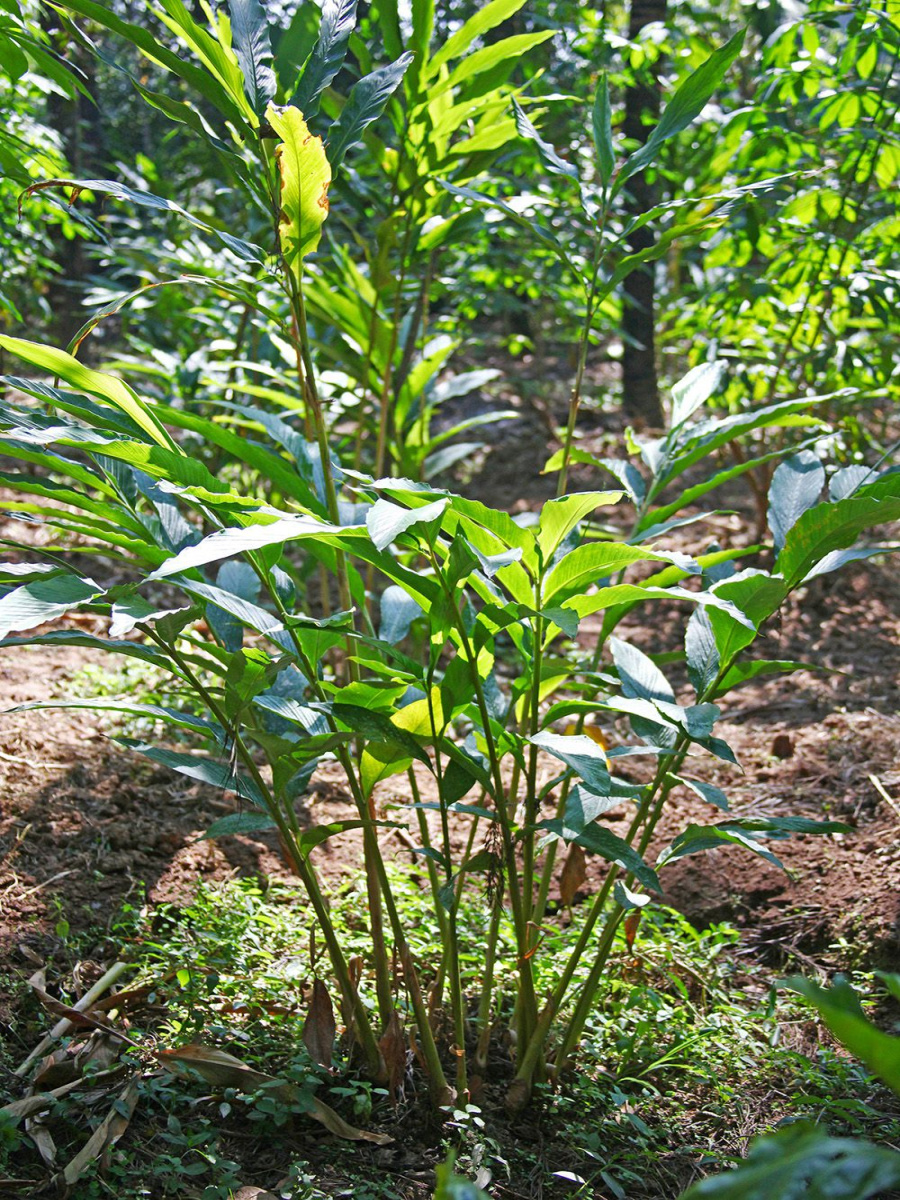
Unlocking the Secrets of Cardamom: Aromatic Delights Await
In the world of spices, few can compare to the exotic allure of cardamom. With its unique flavor profile and aromatic qualities, this spice has been prized for centuries in cuisines around the globe. But what many people don’t realize is that cardamom is not just a spice to be enjoyed in the kitchen – it is also a fascinating plant to grow and cultivate.
Cardamom, also known as the Queen of Spices, is a member of the ginger family and is native to the lush forests of India. It is prized for its sweet and floral aroma, with hints of citrus and mint. The spice is harvested from the seeds of the cardamom plant, which are contained in small pods that resemble a green walnut.
Growing cardamom can be a rewarding experience for any gardener, as the plant requires specific conditions to thrive. Cardamom plants thrive in tropical climates with high humidity and plenty of rainfall. They prefer well-draining soil rich in organic matter, and can be grown in containers or in the ground.
To grow cardamom, start by obtaining seeds or rhizomes from a reputable source. Plant the seeds or rhizomes in moist soil, and keep them in a warm, humid location with plenty of sunlight. Water the plants regularly, making sure not to let the soil dry out completely.
As the plants grow, they will produce long, sword-shaped leaves and eventually flower. The flowers of the cardamom plant are delicate and white, with a subtle fragrance that hints at the spicy goodness to come. After the flowers have been pollinated, they will produce the familiar green pods that contain the seeds.
Harvesting cardamom pods can be a labor-intensive process, as the pods must be picked by hand when they are still green and not yet mature. The pods are then dried in the sun or in a dehydrator, until they turn a light brown color and the seeds inside rattle when shaken.
Once harvested, cardamom pods can be used in a variety of culinary applications. The pods can be crushed to release the seeds, which can be ground into a fragrant powder. Cardamom is a versatile spice that can be used in both sweet and savory dishes, adding a warm, spicy flavor that is both exotic and comforting.
But cardamom is not just a spice for the kitchen – it also has a long history of use in traditional medicine and aromatherapy. The essential oil of cardamom is prized for its calming and soothing properties, and is often used in massage oils and perfumes. The scent of cardamom is said to lift the spirits and promote a sense of well-being.
In conclusion, unlocking the secrets of cardamom can lead to a world of aromatic delights. By growing and cultivating this exotic plant, you can experience the joy of nurturing a living thing and enjoy the fragrant rewards that come with it. Whether you use cardamom in your cooking or simply enjoy the scent of the plant in your garden, this spice is sure to bring a touch of exotic beauty to your life.
Journey into the Lush Garden of Cardamom: How to Cultivate Joy
Welcome to the fragrant world of cardamom, a delightful and exotic plant that is sure to bring joy to any garden. Cultivating cardamom is a rewarding experience that can lead to a bountiful harvest of this aromatic spice. In this guide, we will explore the ins and outs of growing and caring for this wondrous plant, from seed to harvest.
Cardamom, also known as the Queen of Spices, is a tropical plant that thrives in warm and humid climates. It is native to the lush forests of India and has been prized for centuries for its unique flavor and aroma. Cultivating cardamom requires a bit of patience and dedication, but the rewards are well worth the effort.
To begin your journey into the world of cardamom, you will need to obtain some seeds or seedlings. Cardamom seeds are best sown in a well-draining potting mix, preferably one that is rich in organic matter. Plant the seeds about an inch deep in the soil and keep them moist but not waterlogged. It is important to keep the soil consistently moist during the germination process, which can take anywhere from one to three weeks.
Once your cardamom plants have sprouted, it is important to provide them with a warm and humid environment. Cardamom plants thrive in temperatures between 60-85 degrees Fahrenheit and require high humidity levels to grow successfully. If you live in a dry climate, consider placing a humidity tray or a small humidifier near your plants to keep them happy and healthy.
As your cardamom plants grow, they will eventually require repotting to allow for proper root development. Choose a pot that is at least 12 inches in diameter and fill it with a well-draining potting mix. Be sure to keep your plants well-fed with a balanced fertilizer to promote healthy growth and development.
One of the key factors in successfully cultivating cardamom is providing the plants with the right amount of light. Cardamom plants prefer bright, indirect light, so be sure to place them near a window where they can receive plenty of sunshine. Avoid placing your plants in direct sunlight, as this can cause the leaves to burn and damage the plant.
In addition to proper lighting, it is important to water your cardamom plants regularly. Keep the soil consistently moist but not waterlogged, and be sure to allow the top inch of soil to dry out between waterings. Overwatering can lead to root rot, so it is important to strike a balance between keeping your plants hydrated and allowing them to dry out slightly between waterings.
As your cardamom plants mature, they will eventually begin to produce flowers and, ultimately, seeds. The seeds are housed within small pods that can be harvested once they have turned green. To harvest the seeds, simply pluck the pods from the plant and allow them to dry in a warm, well-ventilated area. Once the pods have dried, you can remove the seeds and store them in an airtight container for later use.
Growing and cultivating cardamom is a labor of love that requires patience and dedication, but the rewards are well worth the effort. From seed to harvest, watching your cardamom plants grow and thrive is a truly joyful experience that will fill your garden with the delightful aroma of this exotic spice. So why not embark on your own journey into the lush garden of cardamom and cultivate joy in your own backyard?