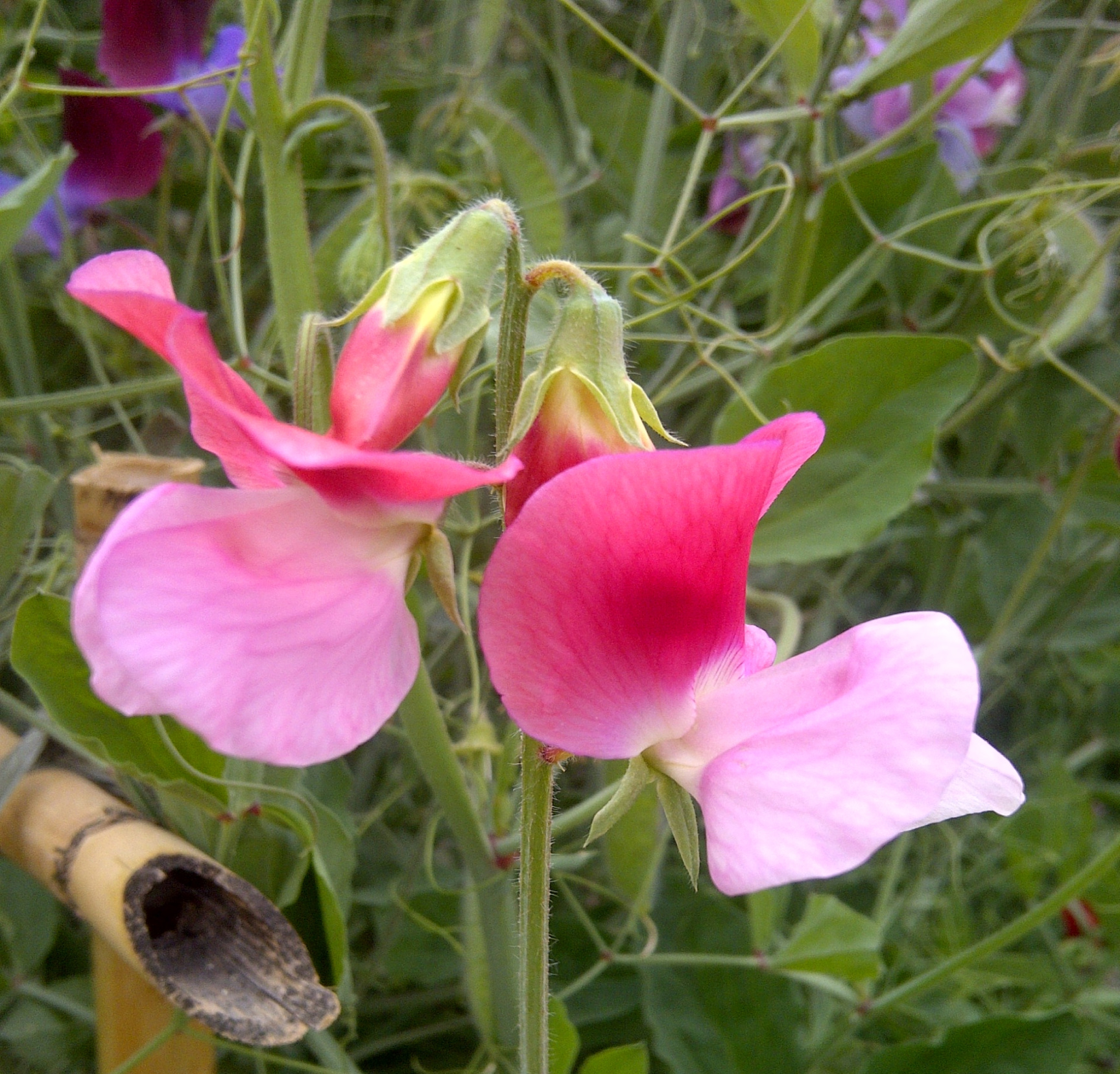
Sowing Seeds of Joy: Discovering the Sweet Pea’s Delightful Aroma
The sweet pea, scientifically known as Lathyrus Odoratus, is a delicate and fragrant flower that has been captivating gardeners for centuries. Its enchanting scent and vibrant colors make it a popular choice for adding beauty and charm to gardens, balconies, and even indoor spaces. In this guide, we will explore the wondrous world of sweet peas and provide you with everything you need to know to successfully grow these delightful plants in your own garden.
The sweet pea is native to Sicily, Cyprus, and southern Italy, where it thrives in sunny climates with well-drained soil. However, with the right care and attention, you can also grow sweet peas in cooler climates, making them a versatile and rewarding addition to any garden.
When it comes to sowing sweet pea seeds, timing is crucial. In temperate climates, it is best to sow seeds in early spring, as soon as the soil can be worked. If you live in a warmer climate, you can sow seeds in the fall for winter and spring blooms. Sweet pea seeds should be sown directly into the ground, as they do not transplant well. Make sure to plant them in a sunny spot with well-drained soil and provide support for the plants to climb as they grow.
One of the most delightful aspects of growing sweet peas is the anticipation of their enchanting fragrance. The sweet pea’s scent is a unique combination of floral notes with hints of honey and spice, making it a truly intoxicating experience. As the flowers bloom and the sun warms their petals, the air will be filled with the delightful aroma of sweet peas, creating a sensory delight for both you and your garden visitors.
To ensure a bountiful display of sweet pea blooms, it is important to provide the plants with the proper care and attention they need to thrive. Sweet peas prefer cool temperatures and regular watering, so be sure to keep the soil consistently moist but not waterlogged. Mulching around the base of the plants can help retain moisture and suppress weeds, giving your sweet peas the best possible growing conditions.
As the sweet pea plants grow, they will begin to produce an abundance of colorful and fragrant blooms. The flowers come in a wide range of hues, from soft pastels to vibrant jewel tones, making them a versatile choice for adding color and beauty to your garden. To encourage continued blooming, be sure to deadhead spent flowers regularly and provide the plants with a balanced fertilizer to support healthy growth.
In addition to their delightful aroma and beautiful blooms, sweet peas also have a long history of symbolism and significance. In the language of flowers, sweet peas are often associated with pleasure, bliss, and delicate beauty, making them a popular choice for gifts and special occasions. Whether you are growing sweet peas for their fragrance, their beauty, or their symbolic meaning, these charming plants are sure to bring joy and delight to your garden.
In conclusion, the fragrant beauty of Lathyrus Odoratus, or sweet peas, is a true delight for gardeners and plant enthusiasts alike. From sowing seeds to enjoying the intoxicating scent of the blooms, growing sweet peas is a rewarding experience that will bring joy and beauty to your garden for years to come. So why not plant some sweet pea seeds today and discover the delightful aroma of these enchanting flowers for yourself?
Blooming Wonders: Cultivating Lathyrus Odoratus in Your Garden
The sweet pea, scientifically known as Lathyrus Odoratus, is a delightful and fragrant flower that brings beauty and charm to any garden. With its vibrant colors and intoxicating scent, it is no wonder that many gardeners are eager to cultivate this blooming wonder in their own backyard. In this guide, we will explore the ins and outs of growing sweet pea plants, from selecting the right variety to caring for them as they bloom into stunning flowers.
When it comes to cultivating Lathyrus Odoratus in your garden, the first step is to choose the right variety for your climate and soil conditions. There are many different types of sweet pea plants available, ranging in color from pastel pinks and purples to bold reds and blues. Consider the size of your garden and the amount of sunlight it receives when selecting a variety, as some sweet peas require more sunlight than others to thrive.
Once you have chosen the perfect sweet pea variety for your garden, it is time to prepare the soil for planting. Sweet peas prefer well-draining soil that is rich in organic matter, so be sure to add compost or aged manure to your garden bed before planting. You can also incorporate a balanced fertilizer to provide the necessary nutrients for healthy growth.
When planting sweet pea seeds, it is important to sow them at the right time of year. In most climates, sweet peas can be planted in early spring, as soon as the soil can be worked. Sow the seeds directly into the ground, spacing them about six inches apart. Water the seeds well after planting, and keep the soil consistently moist until the seeds germinate.
As your sweet pea plants begin to grow, it is important to provide them with support to help them climb and thrive. Sweet peas are climbers, so they will need a trellis, fence, or other support structure to grow vertically. You can also plant sweet peas near a wall or fence where they can climb naturally. Be sure to tie the vines to the support structure as they grow, to prevent them from becoming tangled or damaged.
In addition to providing support, sweet peas also require regular watering to thrive. Keep the soil consistently moist, but not waterlogged, to prevent rot and disease. Water your sweet pea plants in the morning to give them time to dry before nightfall, which can help prevent fungal diseases. You can also mulch around the base of the plants to help retain moisture in the soil.
One of the joys of growing sweet pea plants is watching them bloom into beautiful flowers. Sweet peas produce clusters of delicate blooms in a wide range of colors, from soft pastels to deep jewel tones. As the flowers begin to bloom, be sure to deadhead them regularly to encourage more blooms and prevent the plant from going to seed. You can also cut the flowers for bouquets to enjoy their fragrance indoors.
In conclusion, cultivating Lathyrus Odoratus in your garden is a rewarding and enjoyable experience. With the right variety, soil preparation, support, and care, you can enjoy the fragrant beauty of sweet pea plants in your own backyard. Whether you are a seasoned gardener or a novice, growing sweet peas is a delightful way to add color, fragrance, and charm to your outdoor space. Happy gardening!