Unveiling the Allure of Saffron: Nature’s Golden Treasure
Saffron, often referred to as red gold, is a spice that has captivated humans for centuries with its unique flavor, vibrant color, and numerous health benefits. This precious spice is derived from the flower of the Crocus sativus plant, commonly known as the saffron crocus. Let’s take a closer look at this magical plant and uncover the secrets behind its allure.
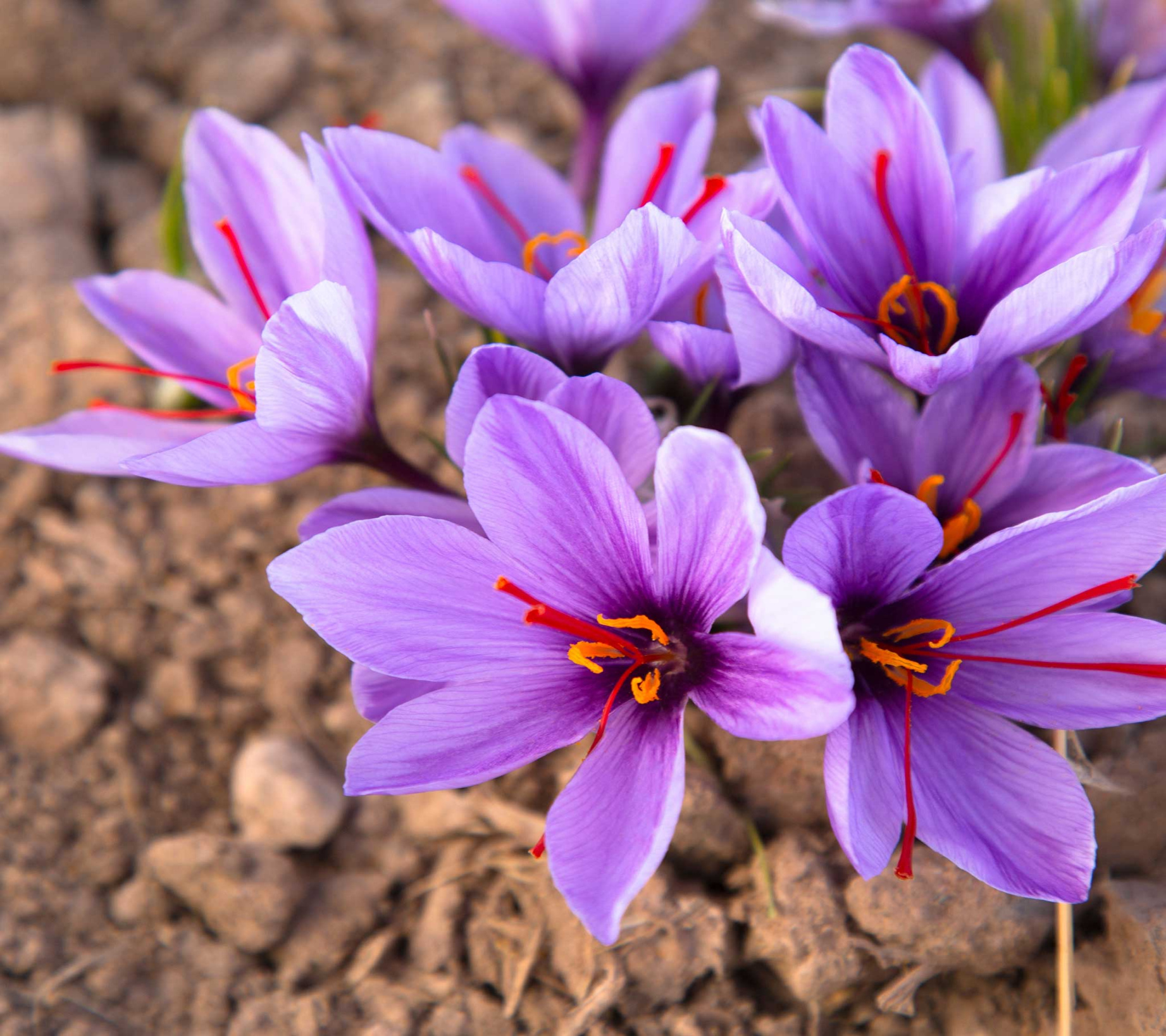
The saffron crocus is a perennial plant that belongs to the iris family. It is native to Southwest Asia and has been cultivated for thousands of years for its valuable stigma, which are the thread-like structures that are hand-picked from the flower and dried to create saffron spice. Each flower only produces three red stigma, making saffron one of the most expensive spices in the world by weight.
One of the most fascinating aspects of the saffron plant is its labor-intensive harvesting process. The delicate stigma must be carefully hand-picked from each flower during a short window of time in the autumn when the flowers bloom. It takes about 150,000 flowers to produce just one kilogram of saffron, making it a truly precious commodity.
In addition to its culinary uses, saffron has also been prized for its medicinal properties for centuries. It is rich in antioxidants, vitamins, and minerals that make it a powerful tool for promoting overall health and well-being. Saffron has been used in traditional medicine to treat a variety of ailments, including depression, anxiety, and inflammation.
The vibrant color of saffron comes from the presence of a compound called crocin, which gives the spice its characteristic golden hue. This unique color has made saffron a popular ingredient in a wide range of dishes, from paella and risotto to desserts and beverages. Its distinct flavor is described as floral, honey-like, and slightly bitter, adding depth and complexity to any dish it is used in.
Saffron has also been used for centuries as a natural dye, particularly in textiles and cosmetics. Its rich golden color is prized for its ability to create luxurious and vibrant hues that are long-lasting and fade-resistant. In addition to its use as a dye, saffron has also been used in perfumes and fragrances for its exotic and intoxicating scent.
Beyond its culinary and medicinal uses, saffron holds a special significance in many cultures and traditions around the world. In ancient Persia, saffron was associated with the sun and was used in religious rituals and ceremonies. In India, saffron is considered a symbol of purity and is often used in Hindu rituals and celebrations. In Greece, saffron is believed to have aphrodisiac properties and is used in traditional wedding ceremonies.
In conclusion, saffron is truly a golden treasure of nature that has captured the hearts and minds of people around the world for centuries. Its unique flavor, vibrant color, and numerous health benefits make it a valuable addition to any kitchen or medicine cabinet. Whether used in cooking, healing, or cultural traditions, saffron continues to dazzle and delight with its allure and charm.
Delving Deeper into the Mysteries of the Saffron Plant
Ah, saffron – the golden spice that has captured the hearts and taste buds of people all around the world. Known for its vibrant color, distinct flavor, and luxurious price tag, saffron is a true treasure of nature. But have you ever stopped to wonder about the plant from which this precious spice is derived? Let’s take a closer look at the saffron plant and unravel the mysteries that lie within.
The saffron plant, scientifically known as Crocus sativus, is a member of the iris family and is native to Southwest Asia. It is a perennial bulbous plant that sprouts delicate purple flowers with a fiery red stigma, which is the part of the plant that is harvested to create saffron. Each flower only produces three red stigmas, which must be carefully hand-picked and dried to create the spice that we know and love.
But what makes saffron so special? It all comes down to the chemical compounds found within the plant. Saffron contains a volatile oil called safranal, which gives the spice its unique aroma, as well as a bitter glycoside called picrocrocin, which contributes to its distinct flavor. However, the most prized compound found in saffron is crocin, which is responsible for its rich golden color.
The cultivation of saffron is a labor-intensive process that requires meticulous care and attention to detail. The bulbs are planted in the autumn and left to sprout in the spring, where they will eventually bloom into beautiful purple flowers. The flowers must be hand-picked in the early morning before they fully open, as the delicate stigmas are most potent at this time. The harvesting process is incredibly time-consuming, as it takes about 150 flowers to yield just one gram of saffron.
Once the stigmas are harvested, they are carefully dried to preserve their flavor and color. This can be done by laying them out in the sun or using a gentle heat source. The dried stigmas are then packaged and sent off to be sold as saffron, where they will be used in a variety of culinary dishes, as well as in traditional medicine and even perfume.
But the saffron plant is not just valued for its culinary uses. It has a long history of being used for its medicinal properties as well. Saffron has been hailed for its anti-inflammatory, antioxidant, and antidepressant qualities, making it a popular choice for natural remedies. It has also been used in traditional medicine to treat a variety of ailments, from coughs and colds to menstrual cramps and insomnia.
In addition to its culinary and medicinal uses, the saffron plant also holds cultural significance in many parts of the world. It has been used in religious ceremonies, festivals, and even as a symbol of wealth and prosperity. In some cultures, saffron is considered a sacred spice and is used in rituals and offerings to the gods.
So the next time you sprinkle a pinch of saffron into your cooking or enjoy a cup of saffron-infused tea, take a moment to appreciate the wonder of the saffron plant. From its vibrant purple flowers to its fiery red stigmas, the saffron plant truly is a marvel of nature. And as you savor the rich flavors and golden hues of this precious spice, remember the centuries of history, tradition, and expertise that have gone into cultivating the golden treasure that is saffron.