Unleash Your Garden’s Potential with Rhubarb!
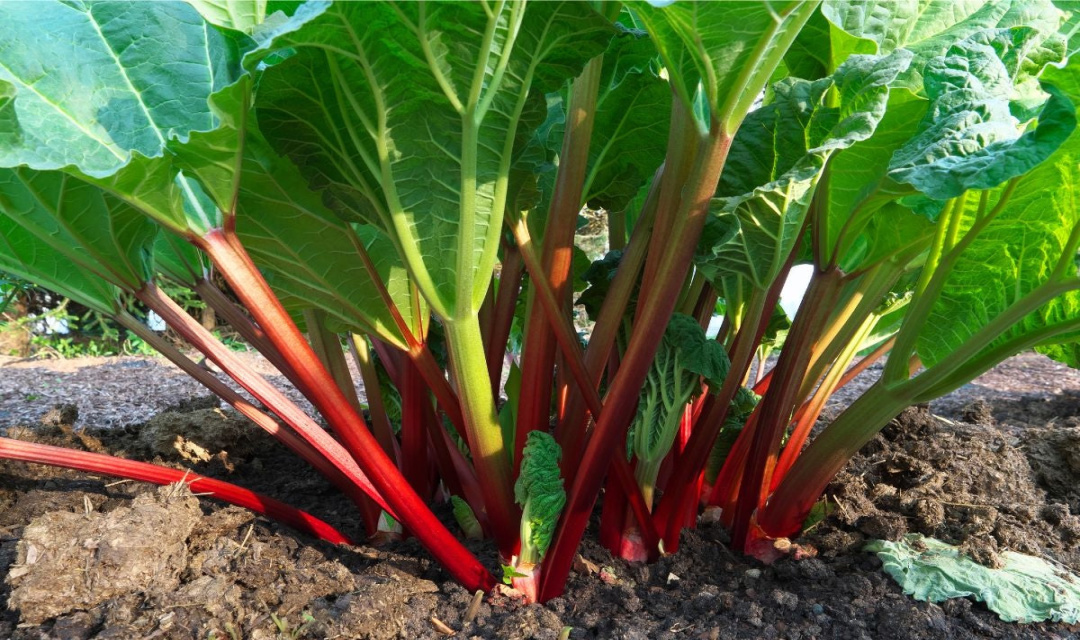
When it comes to adding a touch of versatility to your garden, look no further than the humble rhubarb plant. With its vibrant red stalks and tart flavor, rhubarb is a delightful addition to any garden, both aesthetically and culinarily. Let’s explore the many reasons why rhubarb is a must-have for any gardening enthusiast.
First and foremost, rhubarb is incredibly easy to grow. This resilient plant thrives in cooler climates and can withstand a variety of soils, making it an ideal choice for beginners and experienced gardeners alike. Whether you have a small backyard garden or a sprawling vegetable patch, rhubarb can be successfully grown in containers or directly in the ground.
Not only is rhubarb a low-maintenance plant, but it also offers a plethora of health benefits. Rich in vitamins C and K, as well as dietary fiber, rhubarb is a nutritious addition to your diet. It has been used for centuries in traditional medicine for its digestive properties and is believed to aid in weight loss and detoxification. By growing your own rhubarb, you can enjoy the freshest, most nutrient-rich stalks without any harmful chemicals or pesticides.
In addition to its health benefits, rhubarb is a versatile ingredient in the kitchen. From sweet to savory dishes, rhubarb can be used in a variety of culinary creations. Its tart flavor pairs well with sugar and spices, making it a popular choice for pies, crumbles, and jams. Rhubarb can also be used in salads, sauces, and even cocktails, adding a unique twist to classic recipes.
One of the best things about growing rhubarb is the abundance of harvest you’ll enjoy. Rhubarb plants are known for their prolific growth, producing stalks throughout the spring and summer months. This means you’ll have plenty of rhubarb to experiment with in the kitchen, as well as to share with friends and family. Whether you’re baking a rhubarb pie for a summer picnic or preserving rhubarb jam for the winter months, you’ll never run out of ways to enjoy this versatile plant.
Another benefit of growing rhubarb is its decorative appeal. With its large, lush leaves and vibrant red stalks, rhubarb adds a pop of color to any garden. Whether you plant it in a designated rhubarb patch or intersperse it with other fruits and vegetables, rhubarb is sure to attract attention and admiration from visitors. Its striking appearance makes it a focal point in any garden, and its culinary uses make it a practical and beautiful addition to your outdoor space.
In conclusion, rhubarb is a plant that offers both beauty and bounty to any garden. Whether you’re a seasoned gardener or a novice enthusiast, rhubarb is a versatile and rewarding plant to grow. From its health benefits to its culinary uses, rhubarb has something to offer everyone. So why not unleash your garden’s potential with rhubarb and enjoy the delicious fruits of your labor?
Discover the Many Culinary Wonders of Rhubarb
When it comes to versatile and delicious additions to any garden, rhubarb truly stands out. This vibrant and tangy plant is not only a beautiful addition to any landscape but also a versatile ingredient that can be used in a multitude of culinary creations. From sweet desserts to savory dishes, rhubarb adds a unique and refreshing flavor that is sure to impress.
One of the most popular ways to use rhubarb in the kitchen is in desserts. Rhubarb’s tart flavor pairs perfectly with the sweetness of sugar, making it a great ingredient for pies, crisps, and crumbles. Rhubarb pie, in particular, is a classic dessert that is loved by many. The combination of tender rhubarb stalks, sugar, and a flaky crust creates a dessert that is both sweet and tangy, perfect for any occasion.
But rhubarb is not just limited to desserts. This versatile plant can also be used in savory dishes to add a unique twist to traditional recipes. Rhubarb chutney, for example, is a delicious condiment that pairs well with roasted meats, grilled vegetables, and even cheese platters. The combination of rhubarb, onions, vinegar, and spices creates a tangy and flavorful chutney that is sure to impress your guests.
In addition to being delicious, rhubarb is also incredibly nutritious. This plant is packed with vitamins and minerals, including vitamin C, vitamin K, and potassium. Rhubarb is also a good source of fiber, which can help aid digestion and promote overall gut health. So not only does rhubarb taste great, but it is also good for you!
Another wonderful thing about rhubarb is that it is incredibly easy to grow. This hardy plant thrives in a variety of climates and soil types, making it a great option for both beginner and experienced gardeners. Rhubarb plants can be grown from seeds or transplants and require very little maintenance once established. With proper care, your rhubarb plant can produce stalks for many years to come.
When it comes to harvesting rhubarb, there are a few things to keep in mind. It is important to only harvest the stalks of the plant, as the leaves are toxic and should not be consumed. To harvest rhubarb, simply grasp a stalk near the base and gently pull it out of the plant. It is best to harvest rhubarb stalks when they are firm and have a bright red or pink color. Stalks that are green or limp may be overripe and not as flavorful.
Once you have harvested your rhubarb, the culinary possibilities are endless. Whether you choose to bake a pie, make a chutney, or even pickle the stalks, rhubarb is sure to add a burst of flavor to any dish. So why not add this versatile and delicious plant to your garden today and discover the many culinary wonders of rhubarb? Your taste buds will thank you!