Unveiling the Allure of Xanthosoma
Xanthosoma, also known as elephant ear or malanga, is a stunning plant that has captured the hearts of many gardeners around the world. Its large, glossy leaves and vibrant colors make it a popular choice for those looking to add a touch of tropical elegance to their gardens. But what makes Xanthosoma so special? Let’s explore the beauty of this unique plant and learn how to grow and care for it.
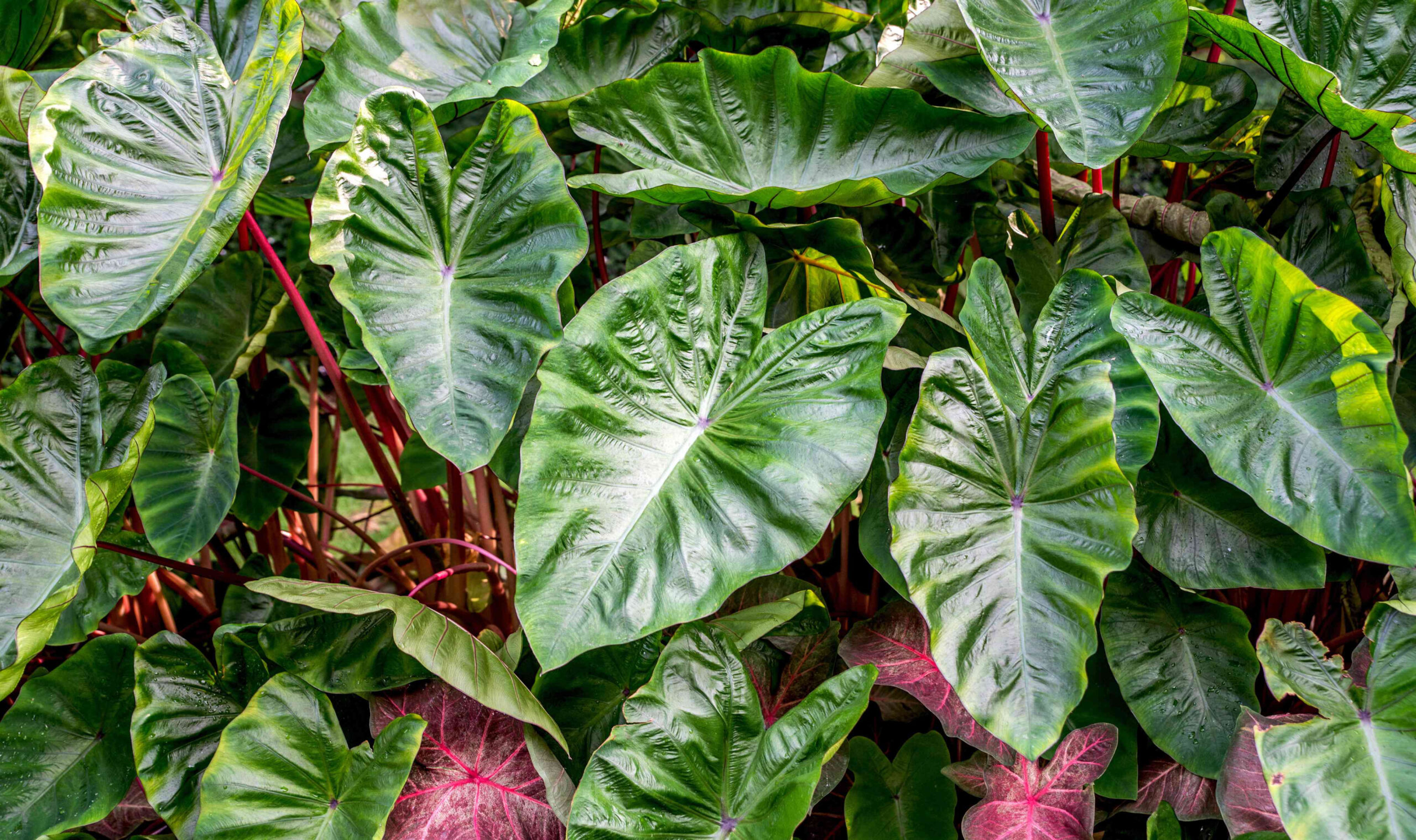
One of the most striking features of Xanthosoma is its large, heart-shaped leaves that can grow up to 3 feet long. These leaves come in a variety of colors, ranging from deep green to purple and even variegated patterns. The glossy texture of the leaves adds to the plant’s appeal, giving it a luxurious and exotic look.
In addition to its beautiful foliage, Xanthosoma also produces stunning flowers. The flowers are typically a shade of white or cream, with a spadix that can be pink, purple, or yellow. These flowers add a touch of elegance to the plant and attract pollinators like bees and butterflies.
Growing Xanthosoma is relatively easy, as long as you provide it with the right conditions. This tropical plant thrives in warm, humid climates and prefers well-draining soil. Plant your Xanthosoma in a location that receives bright, indirect sunlight, as direct sunlight can scorch its leaves. Keep the soil consistently moist, but not waterlogged, to ensure healthy growth.
To care for your Xanthosoma, make sure to fertilize it regularly with a balanced fertilizer to promote strong growth and vibrant foliage. Prune away any brown or damaged leaves to encourage new growth and maintain the plant’s appearance. Keep an eye out for pests like aphids or spider mites, and treat them promptly to prevent damage to your plant.
One of the best things about growing Xanthosoma is the variety of cultivars available. From the classic green-leaved varieties to the more exotic purple and variegated types, there is a Xanthosoma for every taste and garden style. Mix and match different cultivars to create a stunning display of colors and textures in your garden.
Xanthosoma can be grown in containers or in the ground, making it a versatile plant for any garden. Its large size and bold foliage make it a great focal point in a tropical garden, or a striking addition to a mixed border. Pair it with other tropical plants like palms and bananas for a lush and exotic look.
Whether you’re a seasoned gardener looking to add a touch of tropical flair to your garden, or a beginner eager to explore the world of exotic plants, Xanthosoma is sure to impress. Its beauty, ease of care, and variety of cultivars make it a must-have for any plant lover. So why not add a touch of tropical elegance to your garden with Xanthosoma? Explore the beauty of this stunning plant and create a tropical paradise in your own backyard.
Cultivating and Nurturing this Exotic Beauty
Xanthosoma, also known as elephant ear or malanga, is a stunning plant that can add a touch of tropical beauty to any garden or indoor space. With its large, heart-shaped leaves and vibrant colors, Xanthosoma is sure to make a statement wherever it is planted. But in order to truly appreciate the beauty of this exotic plant, it is important to understand how to properly cultivate and care for it.
Growing Xanthosoma can be a rewarding experience, but it does require some knowledge and attention to detail. The first step in cultivating this exotic beauty is to choose the right location. Xanthosoma thrives in warm, humid environments with plenty of sunlight, so it is important to plant it in a spot where it will receive at least six hours of sunlight per day. Additionally, Xanthosoma prefers well-draining soil that is rich in organic matter, so be sure to amend the soil with compost or other organic materials before planting.
Once you have chosen the perfect location for your Xanthosoma, it is time to plant it. Dig a hole that is slightly larger than the plant’s root ball and gently place the plant in the hole, making sure that the top of the root ball is level with the surrounding soil. Water the plant thoroughly after planting to help it settle into its new home.
Caring for Xanthosoma is relatively simple, but it does require regular maintenance to keep the plant healthy and thriving. One of the most important aspects of caring for Xanthosoma is watering. This plant prefers consistently moist soil, so be sure to water it regularly, especially during dry periods. However, be careful not to overwater, as this can lead to root rot.
In addition to watering, Xanthosoma also benefits from regular feeding. Fertilize the plant with a balanced fertilizer every 4-6 weeks during the growing season to promote healthy growth and vibrant foliage. Be sure to follow the instructions on the fertilizer package to avoid overfeeding, which can be harmful to the plant.
Another key aspect of caring for Xanthosoma is pruning. While this plant does not require extensive pruning, it is important to remove any dead or damaged leaves to promote healthy growth. Additionally, you can prune back any overgrown or leggy stems to encourage bushier growth and a more compact appearance.
Pests and diseases can also pose a threat to Xanthosoma, so it is important to keep an eye out for any signs of trouble. Common pests that may affect Xanthosoma include aphids, spider mites, and mealybugs, which can be treated with insecticidal soap or neem oil. Additionally, Xanthosoma is susceptible to fungal diseases such as leaf spot and root rot, so be sure to monitor the plant for any signs of disease and treat it promptly if necessary.
In conclusion, cultivating and nurturing Xanthosoma is a rewarding experience that can bring a touch of tropical beauty to any garden or indoor space. By choosing the right location, planting the plant correctly, and providing it with the proper care and maintenance, you can enjoy the stunning beauty of Xanthosoma for years to come. So why not add this exotic beauty to your garden and explore the wonders of growing and caring for Xanthosoma?