Enchanting Drosera Rotundifolia: Nature’s Tiny Predator
The world of carnivorous plants is a fascinating one, filled with strange and exotic species that have evolved unique ways to capture and digest their prey. One such plant that stands out among the rest is the Drosera Rotundifolia, also known as the round-leaved sundew. This small but mighty plant has captured the hearts of botanists and nature enthusiasts alike with its alluring beauty and predatory nature.
Native to wetlands and marshy areas in Europe, Asia, and North America, the Drosera Rotundifolia is a sight to behold with its delicate round leaves covered in sticky, glistening hairs. These hairs are not just for show – they are actually the plant’s secret weapon for capturing insects. When an unsuspecting insect lands on the leaf of the sundew, it becomes stuck to the sticky hairs, unable to escape. The plant then secretes enzymes that slowly digest the insect, providing the sundew with valuable nutrients that are lacking in its boggy habitat.
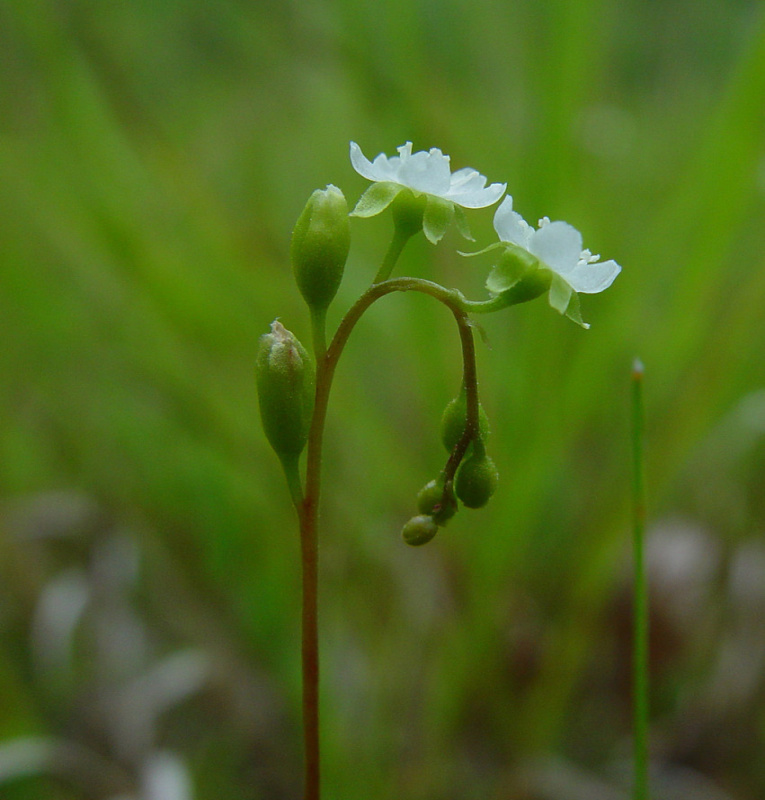
But the beauty of the Drosera Rotundifolia goes beyond its carnivorous nature. The plant’s vibrant crimson flowers add a splash of color to the wetlands where it grows, attracting pollinators such as bees and butterflies. These flowers are a stark contrast to the plant’s green leaves, making it a truly eye-catching sight for anyone lucky enough to stumble upon it in the wild.
Despite its small size, the Drosera Rotundifolia is a tenacious predator, able to capture and consume a wide range of insects, including flies, ants, and beetles. Its ability to thrive in nutrient-poor soils by supplementing its diet with insects has made it a successful species in its native habitats. In fact, the sundew’s predatory nature has even inspired researchers to study its unique adaptations in the hopes of developing new methods for pest control in agriculture.
But perhaps the most enchanting aspect of the Drosera Rotundifolia is its ability to adapt to its surroundings. In the wild, the plant is able to grow in a variety of wetland habitats, from bogs to fens to marshes. It is also able to survive in harsh conditions, such as low temperatures and nutrient-poor soils. This resilience and adaptability have made the sundew a symbol of strength and survival in the natural world.
For those lucky enough to cultivate their own Drosera Rotundifolia, the plant’s beauty and predatory nature can be enjoyed up close. Watching as insects become ensnared in the sticky hairs of the sundew’s leaves is a mesmerizing experience, one that highlights the plant’s role as a tiny but effective predator in the ecosystem.
In conclusion, the Drosera Rotundifolia is a truly captivating plant that showcases the alluring beauty of nature’s tiny predators. From its delicate round leaves to its vibrant crimson flowers, the sundew is a marvel to behold in the wild and in cultivation. Its unique adaptations and predatory nature make it a fascinating subject for study and a symbol of resilience in the natural world.
Dive into the World of Drosera Rotundifolia: A Botanical Wonder
Welcome to the fascinating world of Drosera Rotundifolia, also known as the Sundew plant. This carnivorous plant is truly a botanical wonder, captivating all who encounter its unique beauty and predatory nature.
Drosera Rotundifolia is a small, herbaceous plant that can be found in wet, marshy areas across North America, Europe, and Asia. Its distinctive leaves are covered in glistening, sticky hairs that give the plant its name – Sundew. These hairs secrete a sticky substance that attracts insects, trapping them on the leaf surface.
But what makes Drosera Rotundifolia truly remarkable is its method of obtaining nutrients. Like other carnivorous plants, such as Venus flytraps and pitcher plants, the Sundew plant supplements its diet by capturing and digesting insects. Once an unsuspecting insect becomes stuck to the sticky hairs on the plant’s leaves, the Sundew secretes enzymes that break down the insect’s body, allowing the plant to absorb the nutrients.
This unique adaptation has allowed Drosera Rotundifolia to thrive in nutrient-poor environments where other plants struggle to survive. It is truly a marvel of evolution, showcasing the incredible ways in which plants have adapted to their surroundings.
The beauty of Drosera Rotundifolia is truly captivating. Its delicate leaves, covered in a shimmering layer of sticky hairs, glisten in the sunlight like jewels. The plant’s vibrant colors, ranging from deep reds to bright greens, make it a striking addition to any garden or collection.
But beyond its aesthetic appeal, Drosera Rotundifolia also plays a vital role in its ecosystem. By preying on insects, the Sundew plant helps to control insect populations, acting as a natural pest control agent. In this way, it contributes to the delicate balance of the natural world, showcasing the intricate connections between all living organisms.
For those interested in growing their own Drosera Rotundifolia, it is important to recreate the plant’s natural habitat as closely as possible. This means providing a wet, boggy environment with plenty of sunlight. Carnivorous plant enthusiasts often create terrariums or bog gardens to mimic these conditions, allowing the Sundew plant to thrive.
Watching Drosera Rotundifolia in action is truly a mesmerizing experience. As insects become trapped on the plant’s leaves, one can witness the slow process of digestion taking place. It is a reminder of the incredible diversity of life on Earth and the many ways in which plants have adapted to survive and thrive in their environments.
In conclusion, Drosera Rotundifolia is a botanical wonder that never fails to captivate those who encounter it. From its unique predatory nature to its stunning beauty, the Sundew plant is a true marvel of the natural world. So next time you come across a patch of wet, marshy ground, keep an eye out for the glistening leaves of Drosera Rotundifolia – you never know what wonders you might discover.