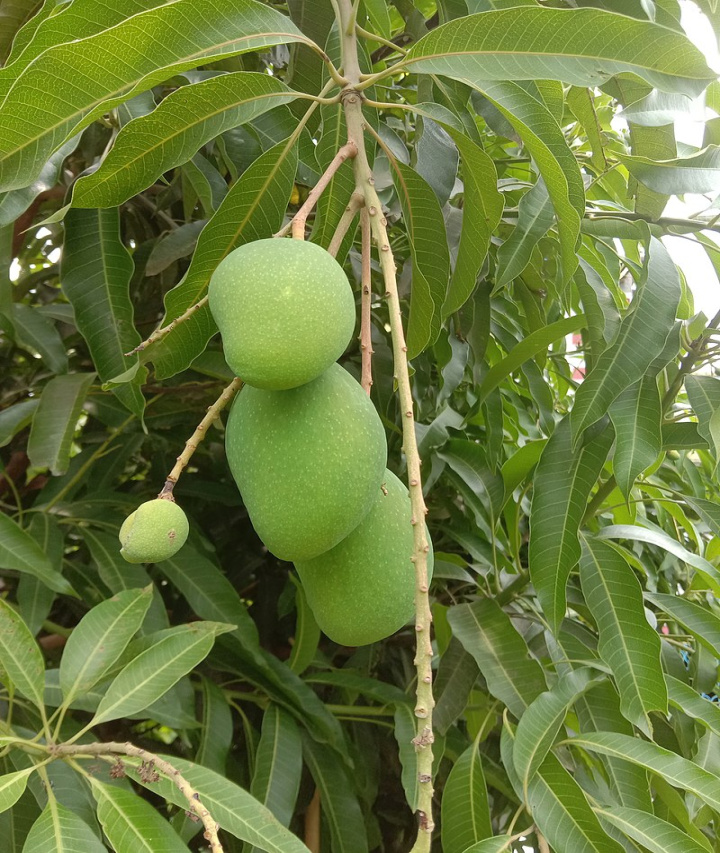
Delve into the World of the Magnificent Mango Plant
Welcome to the wonderful world of the mango plant! If you’ve ever tasted a ripe, juicy mango, you know just how delicious this tropical fruit can be. But did you know that you can actually grow your own mango tree right in your own backyard? That’s right – with a little know-how and a lot of love, you can enjoy the sweet, tangy taste of fresh mangoes right from your own garden.
Mango trees, scientifically known as Mangifera indica, are native to South Asia but are now grown in tropical and subtropical regions all over the world. They are known for their luscious, aromatic fruits and their stunning, evergreen foliage. In addition to being a delicious fruit to eat on its own, mangoes are also commonly used in smoothies, salads, and desserts.
So, how do you go about growing your own mango tree? Well, first things first – you’ll need to choose a suitable location for your plant. Mango trees thrive in warm, tropical climates with plenty of sunlight. They prefer well-draining soil and regular watering, especially during the growing season. If you live in a cooler climate, you can still grow a mango tree, but you may need to bring it indoors during the winter months.
Once you’ve found the perfect spot for your mango tree, it’s time to get planting! You can start with a young mango plant from a nursery or grow your own from a seed. If you choose to grow from a seed, keep in mind that it may take several years for your tree to bear fruit. However, the wait is well worth it when you bite into your first homegrown mango!
In addition to providing the right growing conditions, it’s important to care for your mango tree properly to ensure a healthy, productive plant. Regular pruning can help to shape your tree and promote fruit production. Mango trees are also heavy feeders, so be sure to fertilize regularly with a balanced fertilizer to provide the nutrients they need to thrive.
One of the most exciting things about growing mango trees is watching them flower and fruit. Mango trees typically bloom in the spring, producing clusters of small, fragrant flowers that eventually develop into delicious mango fruits. The fruits can vary in size, shape, and color depending on the variety of mango you are growing, but they all share that classic mango flavor that we know and love.
In addition to the satisfaction of growing your own fruit, mango trees also offer a number of health benefits. Mangoes are packed with vitamins and antioxidants, making them a nutritious addition to your diet. They are also a good source of fiber, which can aid in digestion and promote overall gut health.
So, if you’ve ever dreamed of growing your own tropical fruit tree, why not give mangoes a try? With a little patience and a lot of love, you can enjoy the sweet, juicy taste of fresh mangoes right from your own backyard. So roll up your sleeves, grab your gardening gloves, and get ready to delve into the world of the magnificent mango plant – you won’t be disappointed!
Discover the Secrets to Growing Your Own Tropical Delight
Welcome to the wonderful world of mango plants! If you’re ready to embark on a journey of growing and caring for your very own tropical fruit tree, then you’ve come to the right place. Mango plants are not only a delicious and nutritious addition to your garden, but they also provide a beautiful and exotic touch to your outdoor space.
To start off, let’s talk about the basics of growing a mango plant. Mango trees thrive in tropical and subtropical climates, so make sure you’re living in an area that can support this type of plant. They require plenty of sunlight, so choose a sunny spot in your garden where they can receive at least six hours of direct sunlight each day.
When it comes to soil, mango plants prefer well-draining soil that is rich in organic matter. Make sure to plant your mango tree in a location with good drainage to prevent waterlogging, which can lead to root rot. If your soil is not ideal, you can always amend it with compost or well-rotted manure to improve its quality.
In terms of watering, mango plants need to be watered regularly, especially during the growing season. Make sure to water your mango tree deeply, allowing the water to penetrate the roots. However, be careful not to overwater, as mango plants are susceptible to root rot if they are sitting in waterlogged soil.
Fertilizing your mango plant is also important for its growth and fruit production. Use a balanced fertilizer with a higher potassium content to promote flowering and fruiting. Apply the fertilizer during the growing season, but be careful not to over-fertilize, as this can lead to nutrient imbalances and damage to the plant.
One of the most important aspects of caring for your mango tree is pruning. Pruning helps to shape the tree, promote air circulation, and remove dead or diseased branches. Prune your mango tree during the dormant season to encourage new growth and fruit production.
Pests and diseases can also pose a threat to your mango plant, so it’s important to keep an eye out for any signs of trouble. Common pests that affect mango trees include aphids, mealybugs, and fruit flies. To combat these pests, you can use insecticidal soap or neem oil to keep them at bay.
Diseases such as powdery mildew, anthracnose, and root rot can also affect mango trees. To prevent these diseases, make sure to plant your mango tree in a location with good air circulation, avoid overwatering, and keep the area around the tree clean and free of debris.
Overall, growing and caring for your own mango plant can be a rewarding experience. Not only will you be able to enjoy delicious and juicy mangoes straight from your garden, but you’ll also have a beautiful and exotic tree to admire in your outdoor space. So why wait? Start growing your own tropical delight today and reap the sweet rewards of your hard work!