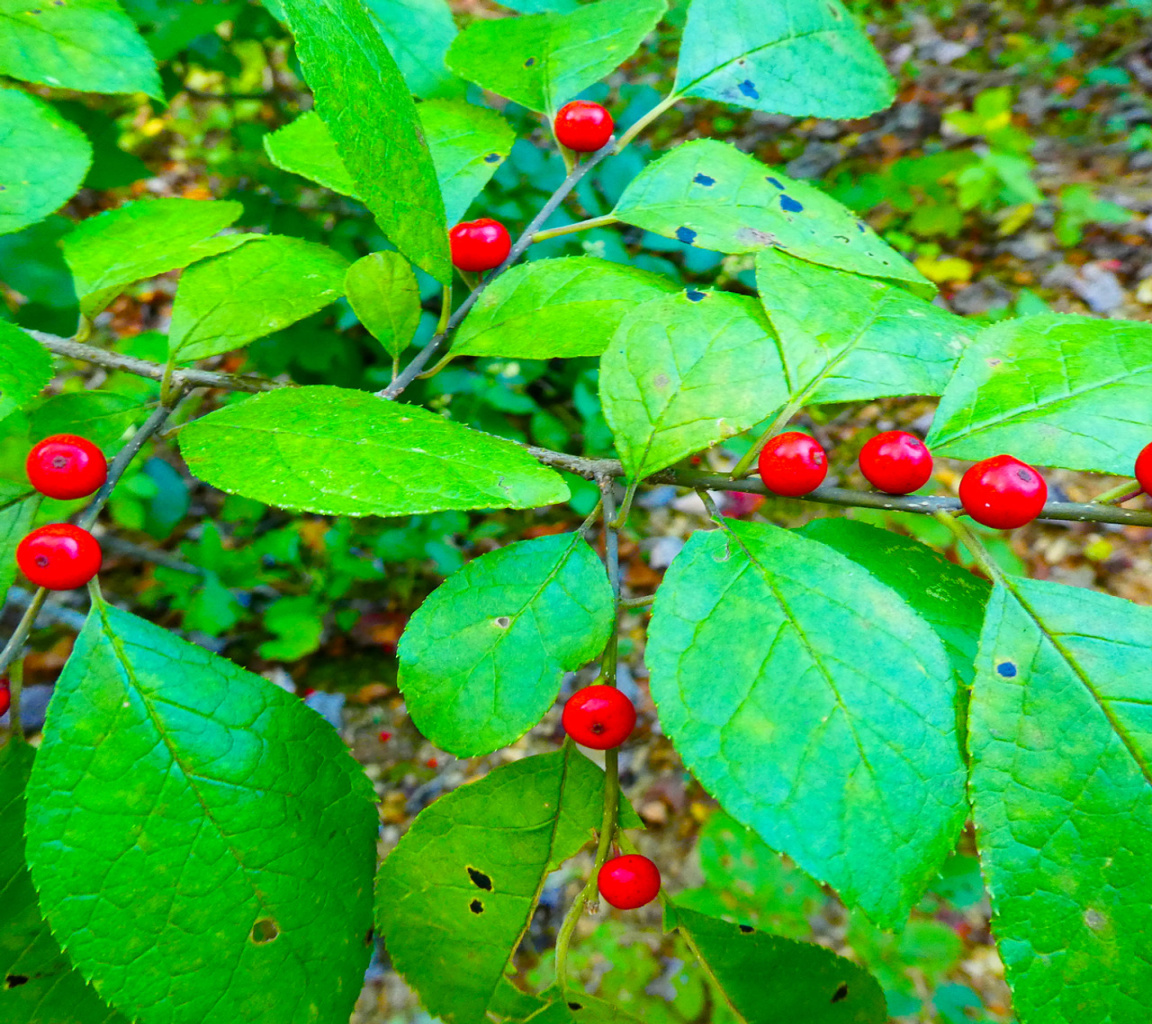
Discover the Mysteries of the Spicebush
The Spicebush, also known as Lindera benzoin, is a captivating native plant that has been shrouded in mystery for centuries. With its fragrant leaves, vibrant berries, and versatile uses, this plant has piqued the interest of botanists, chefs, and nature enthusiasts alike. Let’s delve into the enigmatic world of the Spicebush and uncover its fascinating secrets.
One of the most intriguing aspects of the Spicebush is its unique aroma. The leaves of this plant emit a spicy, citrusy scent that is both uplifting and invigorating. This aromatic quality has made the Spicebush a popular choice for herbal teas, potpourri, and even natural insect repellents. In fact, Native American tribes were known to use the leaves of the Spicebush to ward off mosquitoes and other pests, earning it the nickname wild allspice.
But the mysteries of the Spicebush don’t end with its fragrance. The berries of this plant are equally fascinating, boasting a bright red color and a complex flavor profile. While the berries are not typically consumed raw due to their high tannin content, they can be dried and ground into a flavorful spice that adds depth and warmth to a variety of dishes. From marinades to desserts, the Spicebush berry brings a touch of the wild to culinary creations.
In addition to its aromatic and flavorful qualities, the Spicebush also plays a vital role in the ecosystem. As a host plant for the Spicebush Swallowtail butterfly, this native gem provides essential food and shelter for these beautiful insects. By planting Spicebush in your garden, you can attract these pollinators and contribute to the biodiversity of your local environment.
Furthermore, the Spicebush has a rich history of medicinal use. Native Americans valued this plant for its anti-inflammatory and analgesic properties, using it to treat a variety of ailments, from sore muscles to digestive issues. Today, herbalists continue to explore the potential health benefits of the Spicebush, harnessing its natural compounds for wellness remedies and herbal supplements.
But perhaps the most intriguing aspect of the Spicebush is its enigmatic nature. Despite its long history of use and cultivation, this plant remains a bit of a mystery to many. Its complex chemical composition, unique growing habits, and subtle nuances make it a subject of fascination for botanists and researchers around the world.
As we continue to unravel the mysteries of the Spicebush, one thing is clear: this native plant is a true gem of the natural world. From its fragrant leaves to its flavorful berries, the Spicebush captivates our senses and ignites our curiosity. So the next time you take a walk through the woods or visit a botanical garden, keep an eye out for this elusive plant and experience the magic of the Spicebush for yourself.
Unleash the Aroma and Taste of this Native Gem
The Spicebush, also known as Lindera benzoin, is a hidden treasure in the world of native plants. This versatile shrub is not only visually stunning with its glossy green leaves and vibrant red berries, but it also boasts a fragrant and flavorful profile that can elevate any dish or tea blend. Let’s dive into the enigmatic world of the Spicebush and explore its aromatic and culinary potential.
The Spicebush is native to eastern North America, where it thrives in moist woodlands and along stream banks. However, its appeal goes beyond its natural habitat, as it has found its way into the hearts of foragers, chefs, and herbalists alike. The leaves, berries, and twigs of the Spicebush are all rich in essential oils that give off a spicy, citrusy aroma reminiscent of cinnamon and cloves.
When it comes to culinary uses, the Spicebush is a versatile ingredient that can be used in both savory and sweet dishes. The leaves can be dried and ground into a flavorful spice that adds a unique twist to rubs, marinades, and sauces. The berries, on the other hand, can be dried and used as a peppery seasoning or infused into syrups and vinegars for a tangy kick.
One of the most popular ways to unleash the aroma and taste of the Spicebush is by making a fragrant tea. Simply steep a few fresh leaves or dried berries in hot water for a soothing and aromatic beverage that is perfect for any time of day. The Spicebush tea is not only delicious but also boasts a range of health benefits, including anti-inflammatory and digestive properties.
In addition to its culinary uses, the Spicebush also has a long history of medicinal and ceremonial uses among indigenous tribes. The Cherokee, for example, used the leaves and berries of the Spicebush to treat ailments such as fever, colds, and rheumatism. They also believed that the plant had spiritual significance and used it in purification rituals and ceremonies.
The enigmatic nature of the Spicebush extends beyond its aromatic and culinary uses. It is also a valuable plant for wildlife, as the berries provide a vital food source for birds and small mammals during the colder months. In fact, the Spicebush swallowtail butterfly relies on the plant as a host for its larvae, further highlighting the importance of this native gem in the ecosystem.
Whether you are a food enthusiast, a nature lover, or a curious explorer, the Spicebush is a plant that deserves a spot in your garden or pantry. Its fragrant aroma and flavorful taste will not only enchant your senses but also connect you to the rich history and biodiversity of the natural world. So, why not unleash the aroma and taste of this native gem and embark on a culinary and botanical adventure with the enigmatic Spicebush?