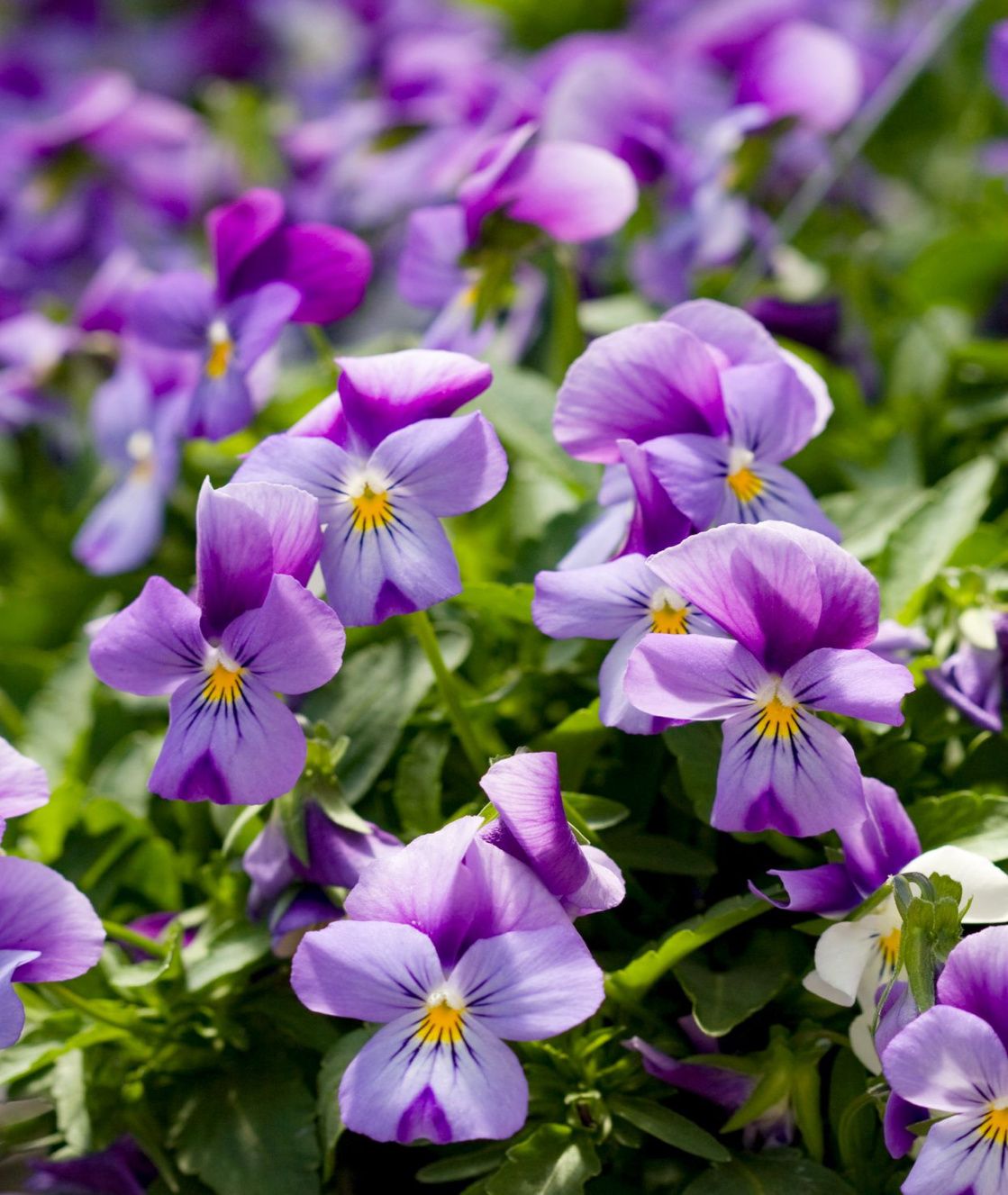
Purple is a color that has long been associated with royalty, luxury, and mystique. It exudes a sense of elegance and sophistication, making it a popular choice for gardens and floral arrangements. In the world of plants, there is a vibrant spectrum of purple hues that can add a touch of magic to any outdoor space. From deep, rich shades of eggplant and plum to light, airy lavender and lilac, purple plants offer a wide range of options for gardeners looking to add a splash of color to their landscapes.
Exploring the Enchanting Spectrum of Purple Plants
When it comes to purple plants, the options are truly endless. From flowers to foliage, there is a wide variety of purple-hued specimens to choose from. One of the most popular purple plants is the lavender plant, known for its fragrant blooms and soothing aroma. Lavender is a versatile plant that can be used in a variety of ways, from creating a relaxing garden oasis to adding a pop of color to a flower bed.
Another popular purple plant is the purple coneflower, a native North American wildflower that is beloved by pollinators and gardeners alike. With its distinctive purple petals and spiky orange center, the purple coneflower adds a bold pop of color to any garden. It is also a low-maintenance plant that thrives in a variety of conditions, making it a popular choice for novice gardeners.
For those looking to add a touch of drama to their garden, the purple smoke bush is an excellent choice. With its deep purple foliage that turns fiery shades of red and orange in the fall, the purple smoke bush is a show-stopping plant that is sure to make a statement. It can be grown as a small tree or a shrub, making it a versatile option for gardens of all sizes.
If you’re looking to attract butterflies to your garden, the purple milkweed is a must-have plant. With its clusters of purple flowers that bloom in the summer, the purple milkweed is a favorite food source for monarch butterflies. By planting purple milkweed in your garden, you can help support the monarch population while adding a splash of color to your outdoor space.
In addition to flowers, there are also a variety of purple-hued foliage plants that can add interest and texture to your garden. Plants like purple fountain grass, purple heart, and Persian shield all boast vibrant shades of purple that can complement a wide range of garden styles. Whether you’re looking to create a tropical paradise or a cottage garden, there is a purple foliage plant that is sure to suit your needs.
In conclusion, the world of purple plants is a diverse and enchanting one. From flowers to foliage, there are countless options for gardeners looking to add a touch of purple to their landscapes. Whether you prefer the delicate blooms of lavender or the dramatic foliage of the purple smoke bush, there is a purple plant out there for everyone. So why not dive into the dazzling spectrum of purple plants and add a splash of color to your garden today?
Dive into the Dazzling Diversity of Purple Blossoms
Welcome to the vibrant world of purple plants! From deep, royal purples to delicate lavender hues, purple blossoms add a touch of elegance and charm to any garden. In this guide, we will explore the dazzling diversity of purple blossoms and discover the beauty and variety of these stunning plants.
Purple blossoms come in a wide range of shades and shapes, each with its own unique charm. One of the most popular purple blossoms is the classic purple iris. With its striking petals and elegant form, the iris is a favorite among gardeners looking to add a touch of sophistication to their gardens. Another beloved purple blossom is the lavender plant, known for its calming fragrance and delicate purple flowers. Lavender is not only beautiful to look at but also has a variety of uses, from aromatherapy to culinary applications.
For those looking to add a pop of color to their garden, the purple petunia is an excellent choice. These vibrant flowers come in shades ranging from deep purple to light lavender and are sure to brighten up any space. Another show-stopping purple blossom is the hydrangea, with its large, fluffy clusters of purple flowers. Hydrangeas are a versatile plant that can be grown in a variety of conditions, making them a popular choice for gardeners of all levels.
If you’re looking for a more exotic purple blossom, consider adding the orchid to your garden. These stunning flowers come in a range of purple shades, from deep violet to soft lilac, and are sure to make a statement in any garden. Orchids are a symbol of luxury and elegance, making them a perfect choice for anyone looking to add a touch of sophistication to their outdoor space.
For those with a green thumb, the purple coneflower is a must-have in any garden. These striking flowers, also known as echinacea, are not only beautiful to look at but also attract pollinators like bees and butterflies. Purple coneflowers are easy to grow and require minimal maintenance, making them a great choice for beginner gardeners.
No guide to purple blossoms would be complete without mentioning the majestic wisteria. These stunning vines produce cascades of purple flowers that are a sight to behold. Wisteria is a fast-growing plant that can quickly cover pergolas, arbors, and trellises, creating a magical, fairy-tale atmosphere in your garden.
Whether you’re a seasoned gardener or just starting out, there’s a purple blossom for everyone to enjoy. From the classic elegance of the iris to the exotic beauty of the orchid, purple plants add a touch of magic and whimsy to any outdoor space. So why not dive into the dazzling diversity of purple blossoms and add a splash of color to your garden today?