Unveiling the Enthralling World of the Venus Flytrap
The Venus Flytrap, also known as Dionaea muscipula, is a fascinating and captivating plant that has captured the imagination of people around the world. This carnivorous plant is native to the wetlands of North and South Carolina, where it thrives in the acidic, nutrient-poor soil. Its unique ability to trap and digest insects has made it a popular subject of study and a favorite among plant enthusiasts.
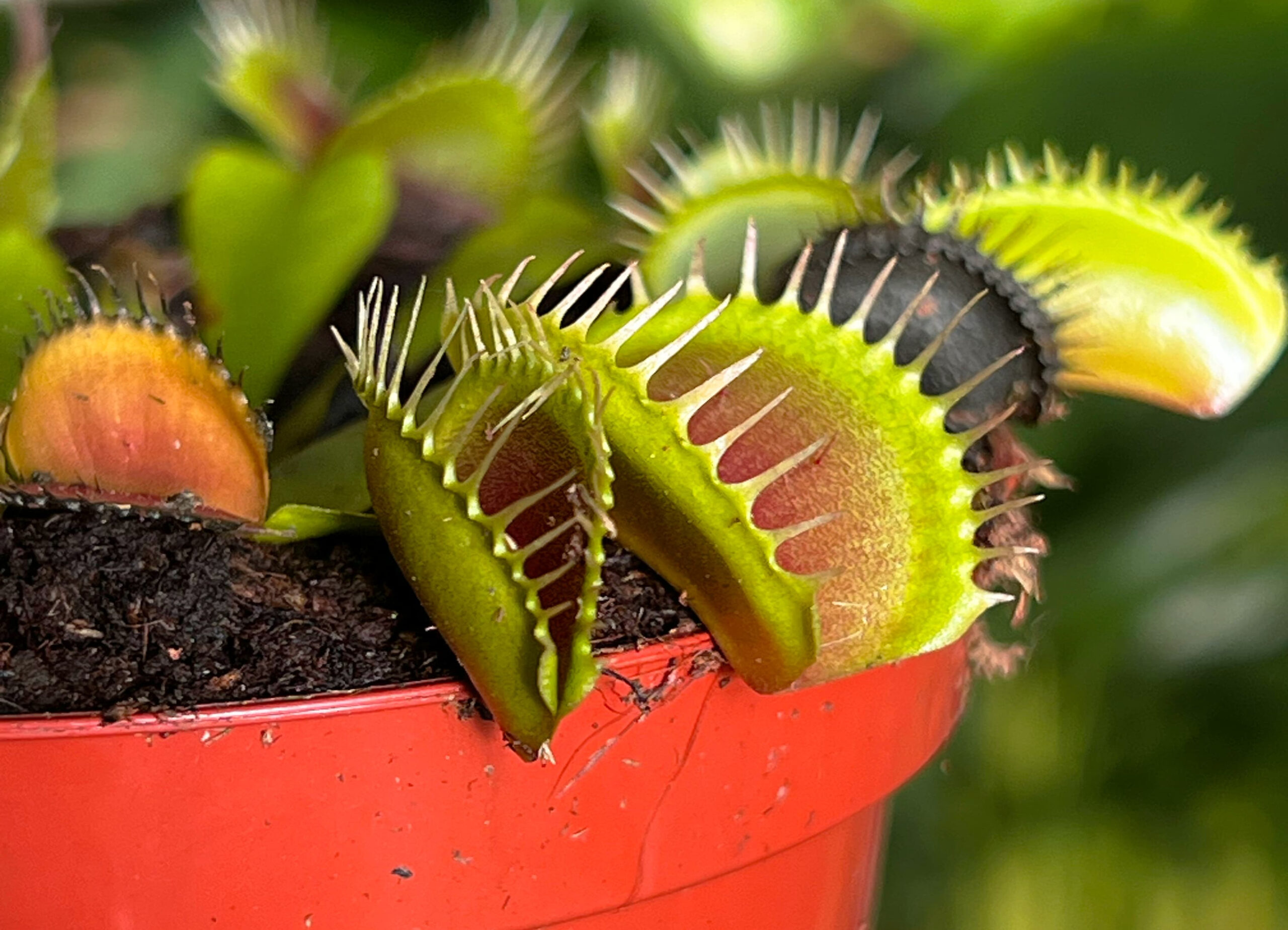
The Venus Flytrap’s charm lies in its specialized leaves, which are hinged together and lined with tiny trigger hairs. When an unsuspecting insect lands on the surface of the leaf and brushes against the trigger hairs, the plant snaps shut with remarkable speed, trapping the insect inside. The plant then secretes digestive enzymes to break down the insect’s body and absorb the nutrients it needs to thrive.
One of the most alluring aspects of the Venus Flytrap is its clever adaptation to its environment. In the nutrient-poor soil of its native habitat, the plant has evolved to supplement its diet with the nutrients it gains from consuming insects. This unique feeding strategy allows the Venus Flytrap to thrive in environments where other plants struggle to survive.
The Venus Flytrap’s carnivorous nature has also captured the attention of scientists and researchers, who are fascinated by the plant’s ability to sense and capture prey. Studies have shown that the plant can distinguish between the movements of potential prey and non-prey, allowing it to conserve energy by only closing its traps when a suitable meal is nearby.
In addition to its scientific significance, the Venus Flytrap also holds a special place in popular culture. Its striking appearance and unusual feeding habits have inspired countless works of art, literature, and film. From children’s books to horror movies, the Venus Flytrap has become a symbol of nature’s beauty and complexity.
For plant enthusiasts, the Venus Flytrap offers a unique opportunity to observe nature’s wonders up close. Cultivating and caring for these carnivorous plants can be a rewarding experience, as they require special care and attention to thrive. From providing the right light and humidity levels to feeding them a balanced diet of insects, growing Venus Flytraps can be a challenging yet fulfilling hobby.
Despite their popularity, Venus Flytraps are not without their challenges. The plant’s specialized needs and delicate nature make it vulnerable to environmental changes and human interference. Habitat loss, pollution, and over-collection have threatened the survival of wild populations, prompting conservation efforts to protect these unique plants for future generations to enjoy.
In conclusion, the Venus Flytrap’s carnivorous charm lies in its fascinating adaptation to its environment, its clever hunting strategy, and its unique role in popular culture. By unveiling the enthralling world of the Venus Flytrap, we can gain a deeper appreciation for the wonders of nature and the importance of preserving these remarkable plants for future generations to marvel at.
The Alluring Venus Flytrap
The Venus Flytrap, also known as Dionaea muscipula, is one of the most intriguing and captivating carnivorous plants in the world. With its unique ability to snap shut and capture unsuspecting prey, this plant has captured the imagination of botanists and nature enthusiasts alike. But what is it about the Venus Flytrap that makes it so alluring?
One of the most fascinating aspects of the Venus Flytrap is its method of capturing prey. Unlike other carnivorous plants that rely on sticky substances or passive traps, the Venus Flytrap is an active predator. It has specialized leaves with sensitive trigger hairs that, when touched by an insect, cause the plant to snap shut in a fraction of a second. This rapid movement is not only impressive, but also highly effective in catching prey.
But it’s not just the plant’s hunting mechanism that makes it so captivating. The Venus Flytrap is also a master of deception. Its leaves are adorned with colorful markings that resemble nectar-producing flowers, luring unsuspecting insects closer. Once the insect lands on the leaf and triggers the hairs, it is quickly ensnared and digested by the plant’s powerful enzymes.
In addition to its carnivorous nature, the Venus Flytrap is also a marvel of evolution. Native to the wetlands of North and South Carolina, this plant has adapted to thrive in nutrient-poor soils by supplementing its diet with insects. Its ability to survive in such harsh conditions is a testament to the resilience and ingenuity of nature.
But the allure of the Venus Flytrap goes beyond its hunting prowess and evolutionary adaptations. This plant has also captured the hearts of people around the world with its unique beauty and charm. The sight of a Venus Flytrap with its jaws wide open, ready to strike, is both mesmerizing and slightly eerie. Its otherworldly appearance has inspired artists, writers, and filmmakers, who have depicted this plant in various forms of media.
For many nature enthusiasts, the Venus Flytrap represents the perfect blend of beauty and danger. Its delicate yet deadly leaves are a reminder of the complexities of the natural world and the constant struggle for survival. Watching a Venus Flytrap in action is like witnessing a tiny predator in its element, showcasing the wonders of evolution and adaptation.
In conclusion, the Venus Flytrap is a truly alluring plant that captivates all who encounter it. From its unique hunting mechanism to its deceptive beauty, this carnivorous plant has a charm that is hard to resist. So the next time you come across a Venus Flytrap in the wild or in a botanical garden, take a moment to appreciate the marvel of nature that is this captivating plant.