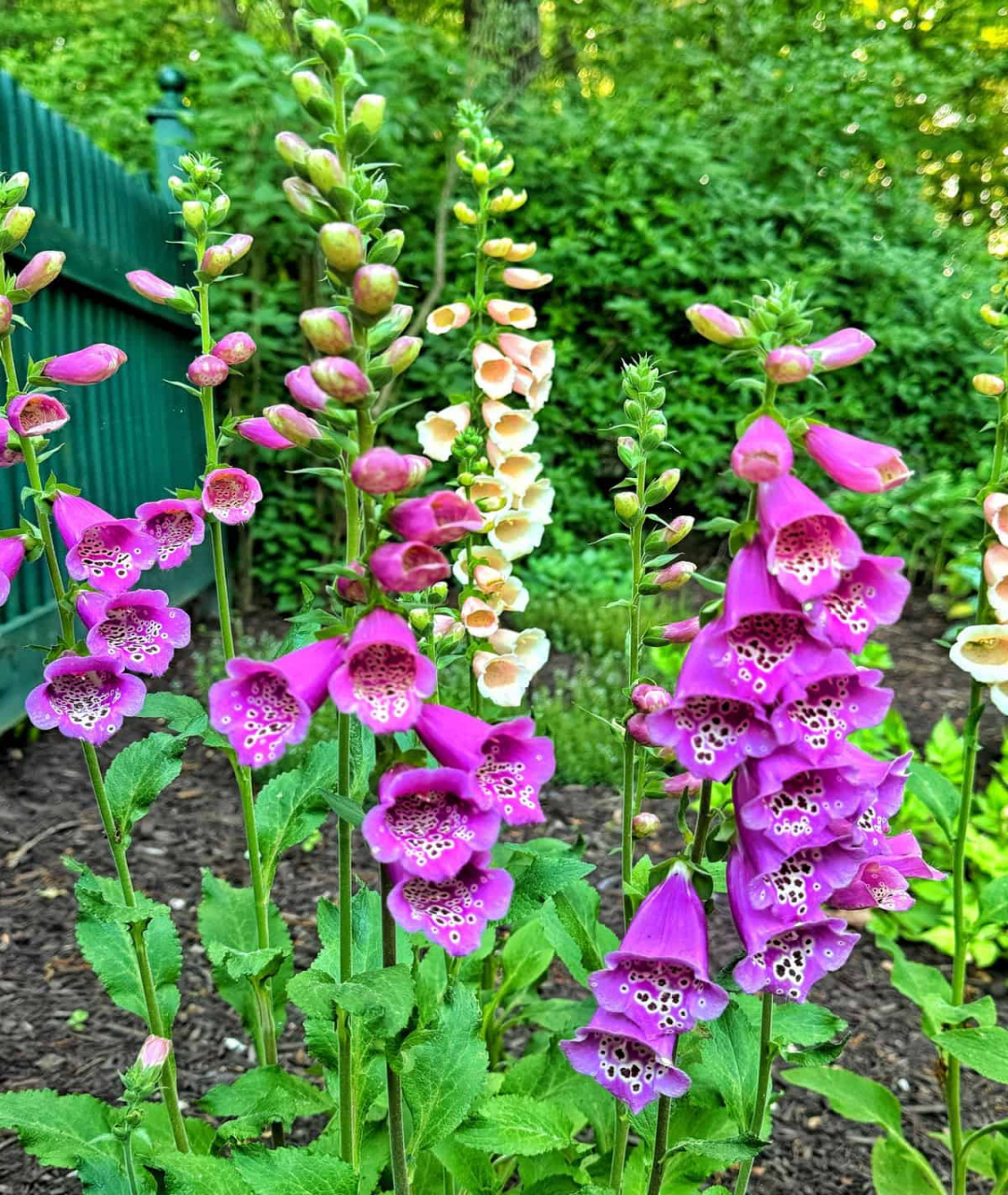
Spellbinding Foxgloves: Nature’s Deadly Delight
In the enchanting world of flowers, there is one plant that captivates with its beauty yet conceals a deadly secret – the foxglove. This stunning flower, also known by its scientific name Digitalis, has long been admired for its trumpet-shaped blooms and vibrant hues of purple, pink, and white. But behind its alluring façade lies a potent poison that can be fatal if ingested.
The foxglove’s toxic properties have been known for centuries, with records of its deadly effects dating back to ancient times. In folklore, the foxglove was believed to be favored by fairies and was said to have magical powers. However, those who dared to pluck the flower for themselves often fell victim to its poisonous nature.
The toxic compounds found in foxgloves are known as cardiac glycosides, which can disrupt the normal function of the heart and nervous system. Even a small amount of these compounds can lead to symptoms such as nausea, vomiting, diarrhea, and irregular heartbeat. In severe cases, ingestion of foxglove can be fatal.
Despite its lethal properties, the foxglove continues to be a popular choice for gardens and floral arrangements. Its tall spikes of tubular flowers add height and drama to any landscape, making it a favorite among gardeners and florists alike. However, it is important to handle foxgloves with care and avoid contact with the sap, as even skin exposure can cause irritation.
In addition to its toxic properties, the foxglove also holds medicinal value. The plant has been used in traditional medicine for centuries to treat various ailments, particularly heart-related conditions. The cardiac glycosides found in foxgloves have been used to create medications that help regulate heart function and treat conditions such as heart failure and arrhythmias.
Despite its dual nature as both a deadly poison and a beneficial medicine, the foxglove remains a symbol of beauty and enchantment in the botanical world. Its striking appearance and rich history have inspired artists, writers, and gardeners for generations, making it a timeless favorite in gardens and floral displays.
For those who wish to incorporate foxgloves into their own gardens, it is important to exercise caution and respect for the plant’s toxic nature. Keep foxgloves out of reach of children and pets, and avoid ingesting any part of the plant. With proper care and handling, the foxglove can continue to enchant and inspire for years to come, reminding us of the delicate balance between beauty and danger in the natural world.
Beware the Beauty: The Foxglove’s Lethal Secret
In the world of flowers, the foxglove stands out as a true beauty. With its tall spires of tubular blooms in shades of pink, purple, and white, it is a favorite among gardeners and flower enthusiasts alike. However, what many people don’t realize is that behind its enchanting facade lies a deadly secret.
The foxglove, also known by its scientific name Digitalis purpurea, contains powerful toxins that can be fatal if ingested. In fact, the plant’s scientific name, Digitalis, comes from the Latin word for finger, because the plant’s toxic properties were historically used as a treatment for heart conditions when applied to the skin.
One of the most potent toxins found in foxgloves is a group of chemicals called cardiac glycosides. These compounds can have a powerful effect on the heart, causing symptoms such as slowed heart rate, irregular heartbeat, and even cardiac arrest. Ingesting any part of the foxglove plant, from the leaves to the flowers to the seeds, can result in poisoning and potentially death.
Despite its toxic properties, the foxglove has a long history of medicinal use. In ancient times, it was used as a treatment for various ailments, including dropsy (edema), epilepsy, and even as a diuretic. However, the plant’s toxic nature meant that it had to be used with extreme caution, and many historical records detail cases of foxglove poisoning.
One of the most famous cases of foxglove poisoning occurred in the 18th century, when the English botanist William Withering discovered the plant’s medicinal properties. Withering used extracts of foxglove to successfully treat patients with heart conditions, leading to the development of the drug digoxin, which is still used today to treat heart failure and atrial fibrillation.
Despite its potentially deadly side effects, the foxglove’s beauty continues to captivate gardeners and flower enthusiasts around the world. Its tall spires of colorful blooms make a striking addition to any garden, and its ability to attract bees and other pollinators makes it a valuable plant for the ecosystem.
For those who wish to enjoy the beauty of foxgloves without risking poisoning, there are a few safety precautions to keep in mind. When handling the plant, it is important to wear gloves to avoid skin contact with the toxic sap. It is also advisable to wash your hands thoroughly after gardening and to keep foxgloves out of reach of children and pets.
In conclusion, the foxglove may be a deadly beauty, but its allure is undeniable. From its vibrant blooms to its rich history of medicinal use, this plant continues to fascinate and intrigue all who encounter it. So the next time you see a foxglove in bloom, take a moment to appreciate its beauty – from a safe distance, of course.