Embrace the Elegance of Ophiopogon: A Beginner’s Guide
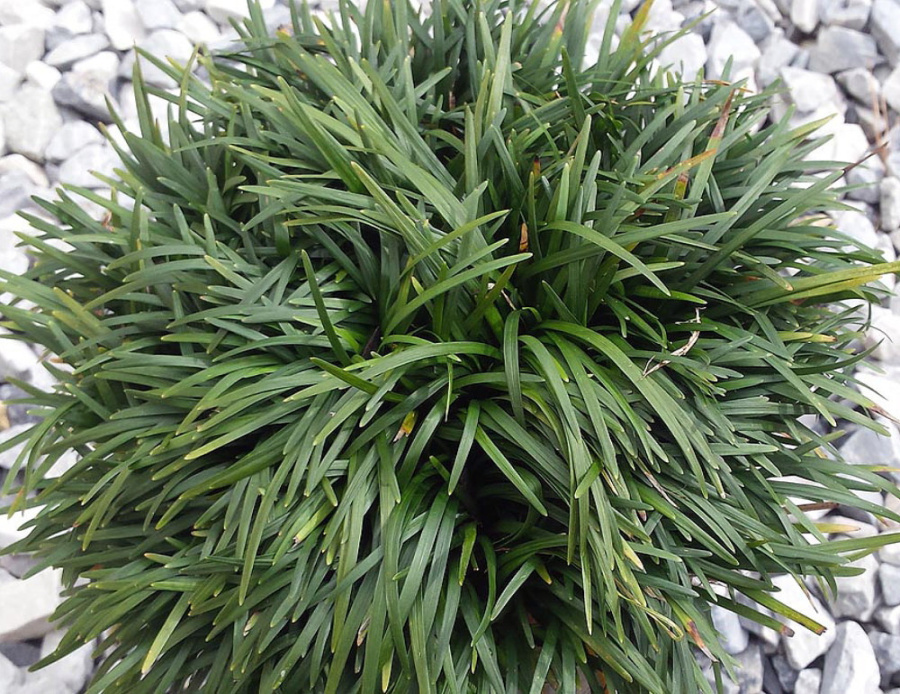
The beauty of Ophiopogon is truly something to behold. Its dark green, grass-like leaves and delicate flowers make it a stunning addition to any garden or indoor space. But for beginners, caring for this elegant plant may seem daunting at first. Fear not, as this beginner’s guide will walk you through everything you need to know about growing and caring for Ophiopogon.
First and foremost, it’s important to understand the basic needs of Ophiopogon. This plant thrives in well-draining soil that is kept consistently moist, but not waterlogged. It prefers indirect sunlight, making it a perfect choice for indoor spaces with bright, filtered light. Ophiopogon is also sensitive to extreme temperatures, so be sure to keep it in a relatively stable environment.
When it comes to planting Ophiopogon, choose a container with good drainage holes to prevent water from pooling at the roots. Fill the container with a well-draining potting mix and gently place the plant in the center. Water the plant thoroughly after planting, and continue to keep the soil moist but not soggy.
One of the most important aspects of caring for Ophiopogon is regular watering. This plant does not like to dry out completely, so be sure to water it whenever the top inch of soil feels dry to the touch. Avoid overwatering, as this can lead to root rot and other issues. A good rule of thumb is to water Ophiopogon deeply but infrequently, allowing the soil to dry out slightly between waterings.
In terms of fertilizing, Ophiopogon is not a heavy feeder. A balanced, water-soluble fertilizer diluted to half strength can be applied once a month during the growing season to promote healthy growth. Be sure to follow the instructions on the fertilizer package carefully to avoid over-fertilizing.
Pruning is another important aspect of caring for Ophiopogon. While this plant does not require frequent pruning, removing dead or yellowing leaves can help improve air circulation and prevent disease. You can also trim back any leggy growth to encourage a more compact, bushy appearance.
Pests and diseases are a common concern for many plant owners, but with proper care, Ophiopogon is relatively resistant to both. Keep an eye out for common pests such as aphids, mealybugs, and spider mites, and treat them promptly with insecticidal soap or neem oil if necessary. Preventative measures such as regular inspection and proper watering can help keep pests at bay.
In terms of propagation, Ophiopogon can be easily divided in the spring or early summer. Simply remove the plant from its container and gently tease apart the roots. Replant the divided sections in fresh potting mix and water thoroughly. With proper care, the new divisions should establish themselves quickly and continue to thrive.
Overall, Ophiopogon is a stunning and elegant plant that can bring a touch of beauty to any space. By following this beginner’s guide to growing and caring for Ophiopogon, you can enjoy the beauty of this plant for years to come. Remember to provide the right conditions, regular watering, occasional fertilizing, and minimal pruning to ensure a happy and healthy Ophiopogon plant in your home or garden.
Nurturing Nature’s Beauty: Tips for Caring for Ophiopogon
Welcome to the wonderful world of Ophiopogon, a stunning plant that can add a touch of elegance and beauty to any garden or indoor space. Whether you are a seasoned gardener or a beginner looking to enhance your green thumb, Ophiopogon is a versatile and low-maintenance plant that is sure to impress.
Ophiopogon, also known as mondo grass or snake’s beard, is a genus of evergreen perennial plants that belong to the Asparagaceae family. With its long, slender leaves and delicate flowers, Ophiopogon is a popular choice for gardeners looking to add a touch of sophistication to their outdoor spaces.
To help you make the most of your Ophiopogon plant, we have put together a list of tips and tricks for caring for this beautiful plant:
1. Light: Ophiopogon plants thrive in partial to full shade. It is important to place your plant in an area where it will receive indirect sunlight throughout the day. Avoid placing your Ophiopogon in direct sunlight, as this can cause the leaves to burn and become discolored.
2. Watering: Ophiopogon plants prefer consistently moist soil, but they do not like to be overwatered. Be sure to water your plant regularly, allowing the soil to dry out slightly between waterings. During the summer months, when the plant is actively growing, you may need to water more frequently.
3. Soil: Ophiopogon plants prefer well-draining soil that is rich in organic matter. A good quality potting mix designed for indoor plants or a mix of peat moss and perlite is ideal for Ophiopogon. Make sure to repot your plant every 2-3 years to refresh the soil and provide room for growth.
4. Fertilizing: Ophiopogon plants do not require a lot of fertilizer, but they will benefit from a light feeding during the growing season. Use a balanced, water-soluble fertilizer diluted to half-strength every 4-6 weeks during the spring and summer months. Be sure to avoid over-fertilizing, as this can cause damage to the plant.
5. Humidity: Ophiopogon plants prefer moderate to high humidity levels. To increase humidity around your plant, you can mist the leaves regularly or place a humidifier nearby. Avoid placing your Ophiopogon near air vents or drafty windows, as this can cause the leaves to dry out.
6. Pruning: Ophiopogon plants are relatively low-maintenance when it comes to pruning. Remove any dead or yellowing leaves as needed to keep your plant looking neat and healthy. You can also trim back any overgrown or leggy stems to encourage new growth.
7. Pests and Diseases: Ophiopogon plants are generally resistant to pests and diseases, but they can occasionally attract spider mites or mealybugs. Keep an eye out for any signs of pests, such as webbing or sticky residue on the leaves, and treat them promptly with insecticidal soap or neem oil.
By following these simple tips for caring for your Ophiopogon plant, you can enjoy the beauty of this stunning plant for years to come. Whether you choose to grow Ophiopogon indoors as a houseplant or outdoors in your garden, this versatile plant is sure to bring a touch of elegance and sophistication to your space. So go ahead, embrace the beauty of Ophiopogon and watch as this stunning plant transforms your home or garden into a lush and vibrant oasis.