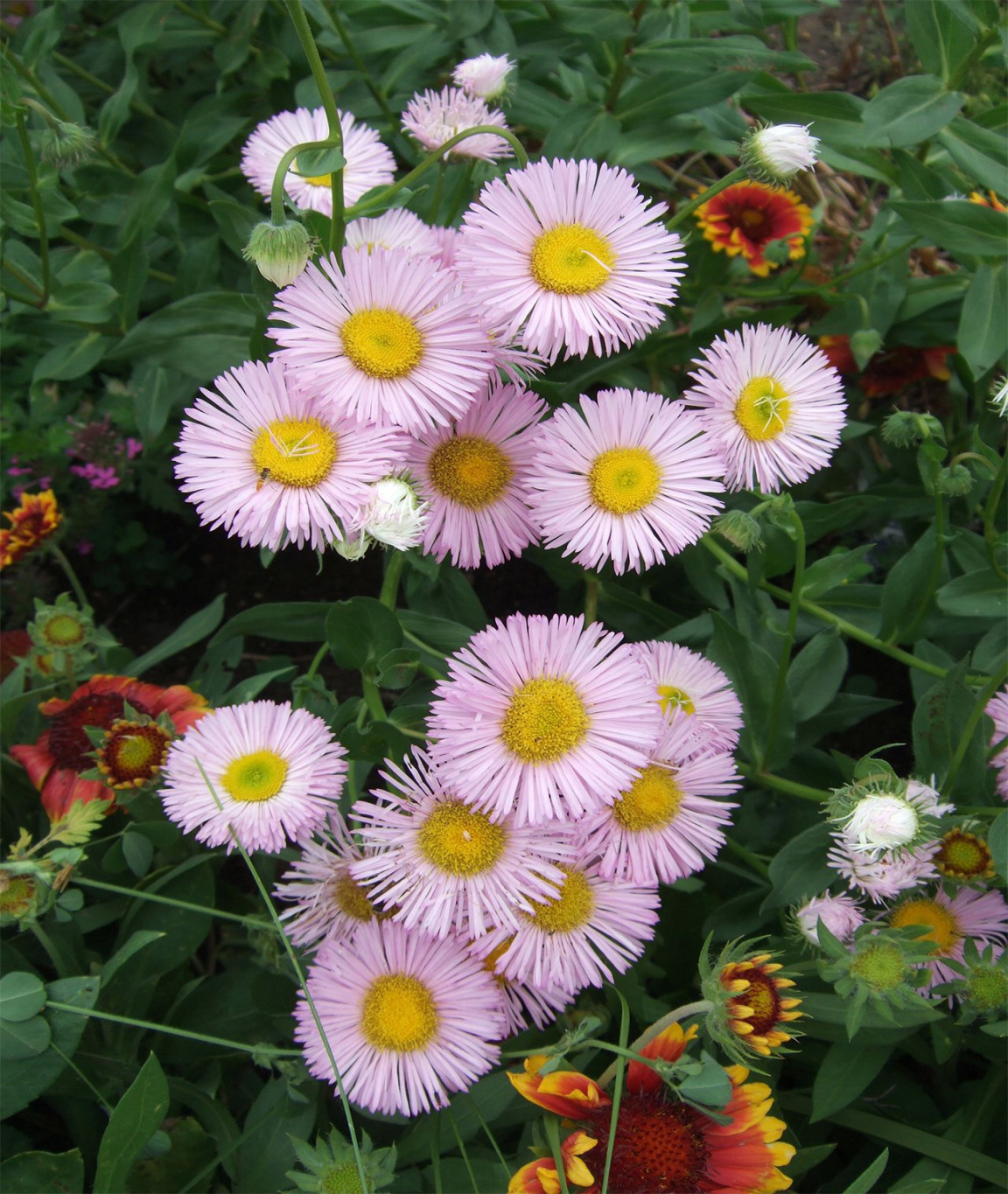
Embracing the Resilient Beauty of Fleabane
Fleabane, with its delicate daisy-like flowers and vibrant green foliage, is a resilient and charming plant that can bring joy and beauty to any garden. Despite its unassuming appearance, Fleabane is a hardy plant that can thrive in a variety of conditions, making it the perfect addition to any garden or landscape.
One of the most appealing aspects of Fleabane is its ability to adapt and thrive in different environments. Whether you have a sunny garden or a shady corner, Fleabane can grow and flourish with minimal care. This makes it an ideal plant for beginner gardeners or those with limited time to dedicate to gardening.
Fleabane is also known for its ability to attract pollinators such as butterflies and bees, making it a valuable addition to any garden ecosystem. By planting Fleabane, you can help support local wildlife and create a vibrant and dynamic garden space.
In terms of care, Fleabane is a low-maintenance plant that requires little attention once established. It prefers well-drained soil and can tolerate drought conditions, making it a great choice for those looking to conserve water in their garden. Regular deadheading can help prolong the blooming period of Fleabane, ensuring that you can enjoy its colorful flowers for longer.
When it comes to planting Fleabane, choose a sunny spot in your garden with well-drained soil. Dig a hole slightly larger than the root ball of the plant and place it in the hole, making sure that the top of the root ball is level with the soil surface. Water the plant thoroughly after planting to help it establish its roots.
Fleabane can also be propagated by division, making it easy to create more plants from existing ones. Simply dig up a mature plant in the spring or fall, divide the root ball into smaller sections, and replant the divisions in new locations. This can help you expand your Fleabane collection and fill out your garden with this resilient and beautiful plant.
In terms of pests and diseases, Fleabane is relatively resistant to most common garden problems. However, it can be susceptible to powdery mildew in humid conditions. To prevent this, make sure to plant Fleabane in a sunny location with good air circulation to help keep the foliage dry.
Overall, Fleabane is a versatile and resilient plant that can bring beauty and joy to any garden. Its charming flowers, easy care requirements, and ability to attract pollinators make it a valuable addition to any landscape. By embracing the resilient beauty of Fleabane, you can create a vibrant and dynamic garden space that will be enjoyed for years to come.
Cultivating Joy: A Guide to Growing Fleabane
Fleabane, with its delicate white or pink daisy-like flowers and slender stems, is a resilient and charming plant that can bring joy to any garden. Known for its ability to thrive in harsh conditions, Fleabane is a perfect choice for gardeners looking to add a touch of beauty and resilience to their outdoor space. In this guide, we will explore the beauty of Fleabane and provide tips on how to grow and care for this hardy plant.
Fleabane, also known as Erigeron, is a member of the daisy family and is native to North America. It is a versatile plant that can grow in a variety of environments, from dry and rocky soils to moist and fertile ones. Fleabane is known for its ability to attract bees, butterflies, and other pollinators, making it a valuable addition to any garden ecosystem.
To grow Fleabane successfully, it is important to plant it in well-draining soil and in a location that receives full sun. Fleabane is a hardy plant that can tolerate drought and poor soil conditions, making it a low-maintenance choice for gardeners of all skill levels. When planting Fleabane, be sure to space the plants at least 12 inches apart to allow for adequate air circulation and prevent overcrowding.
Once planted, Fleabane requires minimal care to thrive. Water the plants regularly, especially during dry periods, but be careful not to overwater as this can cause root rot. Deadhead the flowers regularly to encourage continuous blooming and remove any spent blooms to keep the plant looking tidy.
Fleabane is a fast-growing plant that can spread quickly in the garden. To prevent overcrowding, divide the plants every few years in the spring or fall. Simply dig up the plants, separate the clumps, and replant them in a new location. This will help to rejuvenate the plants and promote healthy growth.
One of the best things about Fleabane is its ability to self-seed, which means that new plants will often sprout up around the original plant without any help from the gardener. This can lead to a natural and beautiful display of Fleabane flowers throughout the garden, creating a joyful and carefree atmosphere.
In addition to its beauty and resilience, Fleabane is also known for its medicinal properties. The plant has been used for centuries in traditional medicine to treat a variety of ailments, including coughs, colds, and fevers. While we recommend consulting with a healthcare professional before using Fleabane for medicinal purposes, it is fascinating to think that such a beautiful plant can also have healing properties.
In conclusion, Fleabane is a resilient and beautiful plant that can bring joy to any garden. By following the tips outlined in this guide, you can successfully grow and care for Fleabane in your own outdoor space. Whether you are a seasoned gardener or a novice, Fleabane is a wonderful choice for adding color, beauty, and resilience to your garden. So why not cultivate some joy by growing Fleabane in your garden today?