Embracing Our Roots: Native Plants and Indigenous Culture
In many Indigenous cultures around the world, native plants play a vital role in daily life and are deeply intertwined with tradition and spirituality. These plants have been used for centuries for various purposes, from food and medicine to ceremonies and rituals. They are not just seen as resources, but as living beings with their own unique spirits and powers.
One of the key aspects of Indigenous culture is the importance of maintaining a connection to the land and all living things. Native plants are a tangible expression of this belief, as they are seen as gifts from the earth that must be respected and cared for. They are also a symbol of resilience and survival, as many Indigenous communities have relied on them for sustenance and healing in the face of colonization and displacement.
For example, in North America, the Three Sisters – corn, beans, and squash – have been staples of many Indigenous diets for generations. These plants are not only nutritious and easy to grow together, but they also have a spiritual significance as they are believed to have been gifted to Indigenous peoples by the Earth Mother. The Three Sisters are often planted in a specific pattern known as companion planting, which not only maximizes their growth but also symbolizes the interconnectedness of all living things.
In addition to food, many native plants are also used for medicinal purposes in Indigenous cultures. For example, the sweetgrass plant is used by many Indigenous peoples in North America for its healing properties and its role in ceremonies. Sweetgrass is believed to purify the mind, body, and spirit, and is often burned as a form of smudging to cleanse a space of negative energy.
Furthermore, many Indigenous cultures use native plants in their ceremonies and rituals as a way to connect with the spiritual world. For example, the sage plant is widely used by Indigenous communities in North America for smudging ceremonies, where the smoke is believed to carry prayers to the Creator and cleanse the spirit. The cedar tree is also highly revered in many Indigenous cultures for its strong spiritual presence and is often used in sweat lodge ceremonies and other rituals.
Overall, native plants are deeply ingrained in Indigenous culture and play a multifaceted role in daily life. They are not just resources to be exploited, but living beings to be respected and nurtured. By embracing these plants and the traditions associated with them, Indigenous communities are able to maintain a strong connection to their roots and continue to pass down their knowledge and wisdom to future generations.
Cultivating Tradition: The Vital Role of Native Plants
Native plants have played a crucial role in indigenous cultures around the world for centuries. These plants are not only a source of food and medicine but also hold significant cultural and spiritual importance for many indigenous communities. Cultivating and preserving these native plants is essential for maintaining the traditions and practices that have been passed down through generations.
In indigenous cultures, the relationship between people and plants is deeply intertwined. Native plants are seen as gifts from the earth, providing nourishment, healing, and guidance. Many traditional ceremonies and rituals involve the use of native plants, such as sage, sweetgrass, and cedar, which are believed to have powerful spiritual properties.
One of the key reasons why native plants are so valued in indigenous cultures is their connection to the land. These plants have adapted to their specific environments over time, becoming an integral part of the ecosystems in which they grow. By cultivating native plants, indigenous communities are able to maintain a close connection to their ancestral lands and preserve the biodiversity that sustains their way of life.
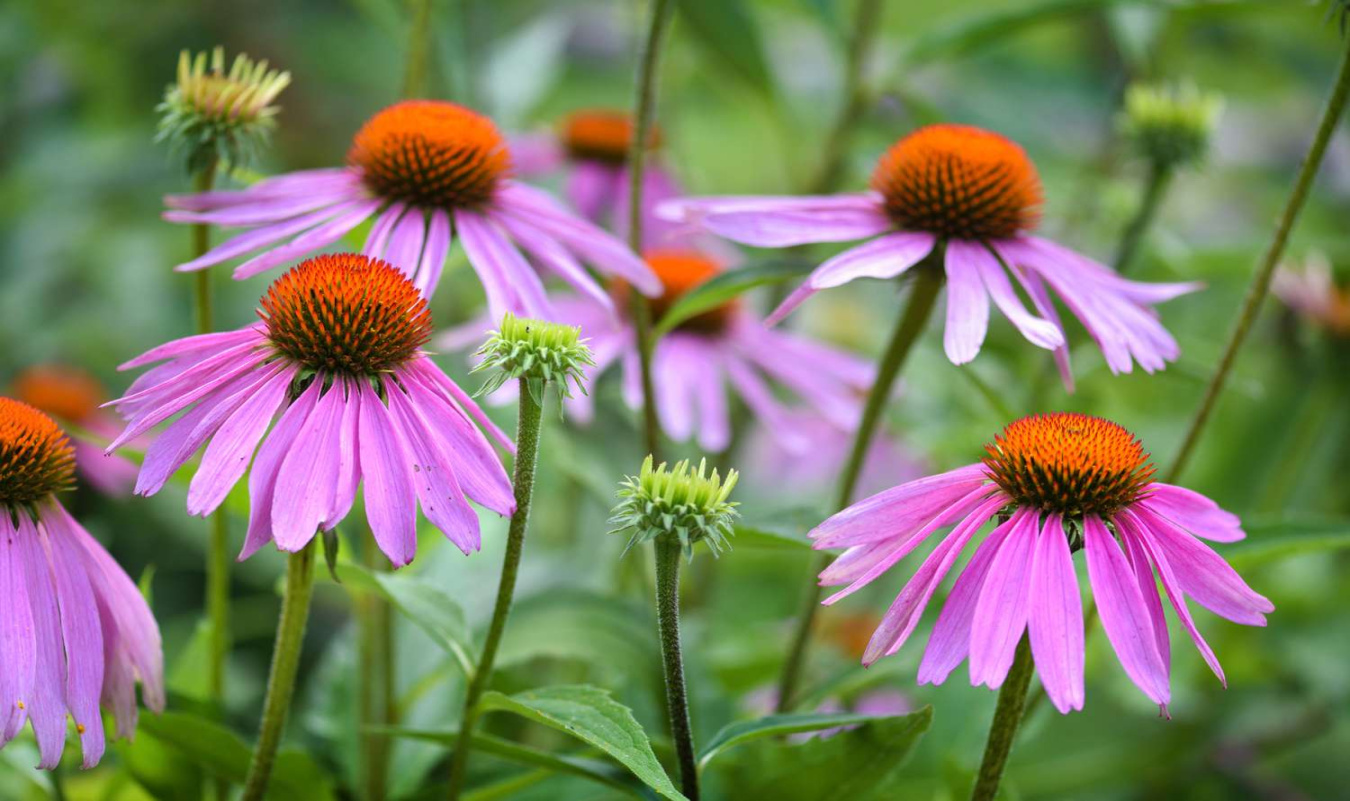
In addition to their cultural significance, native plants also play a practical role in indigenous communities. Many native plants have medicinal properties and are used to treat a variety of ailments. For example, the Cherokee people have long used plants like echinacea and black cohosh for their healing properties. By cultivating these plants, indigenous communities are able to maintain traditional healing practices and pass on knowledge about the natural world to future generations.
Furthermore, native plants are often used in traditional crafts and artwork. For example, the Navajo people use plants like yucca and sumac to make baskets and dyes. By cultivating these plants, indigenous artisans are able to continue the practice of creating beautiful and meaningful works of art that reflect their cultural heritage.
The importance of native plants in indigenous cultures extends beyond their practical and spiritual significance. These plants also play a crucial role in environmental conservation and sustainability. Many native plants are well-adapted to their local ecosystems and play a key role in supporting biodiversity and ecosystem health.
By cultivating and preserving native plants, indigenous communities are able to contribute to the conservation of their traditional lands and protect the natural resources that sustain them. In this way, native plant cultivation is not just a cultural practice but also a form of environmental stewardship that benefits both indigenous peoples and the larger community.
In conclusion, native plants are essential to the preservation of indigenous cultures around the world. Cultivating these plants allows indigenous communities to maintain their traditions, connect with their ancestral lands, and sustainably manage natural resources. By recognizing the vital role of native plants in indigenous cultures, we can better appreciate the rich diversity of traditional knowledge and practices that have been passed down through generations.